





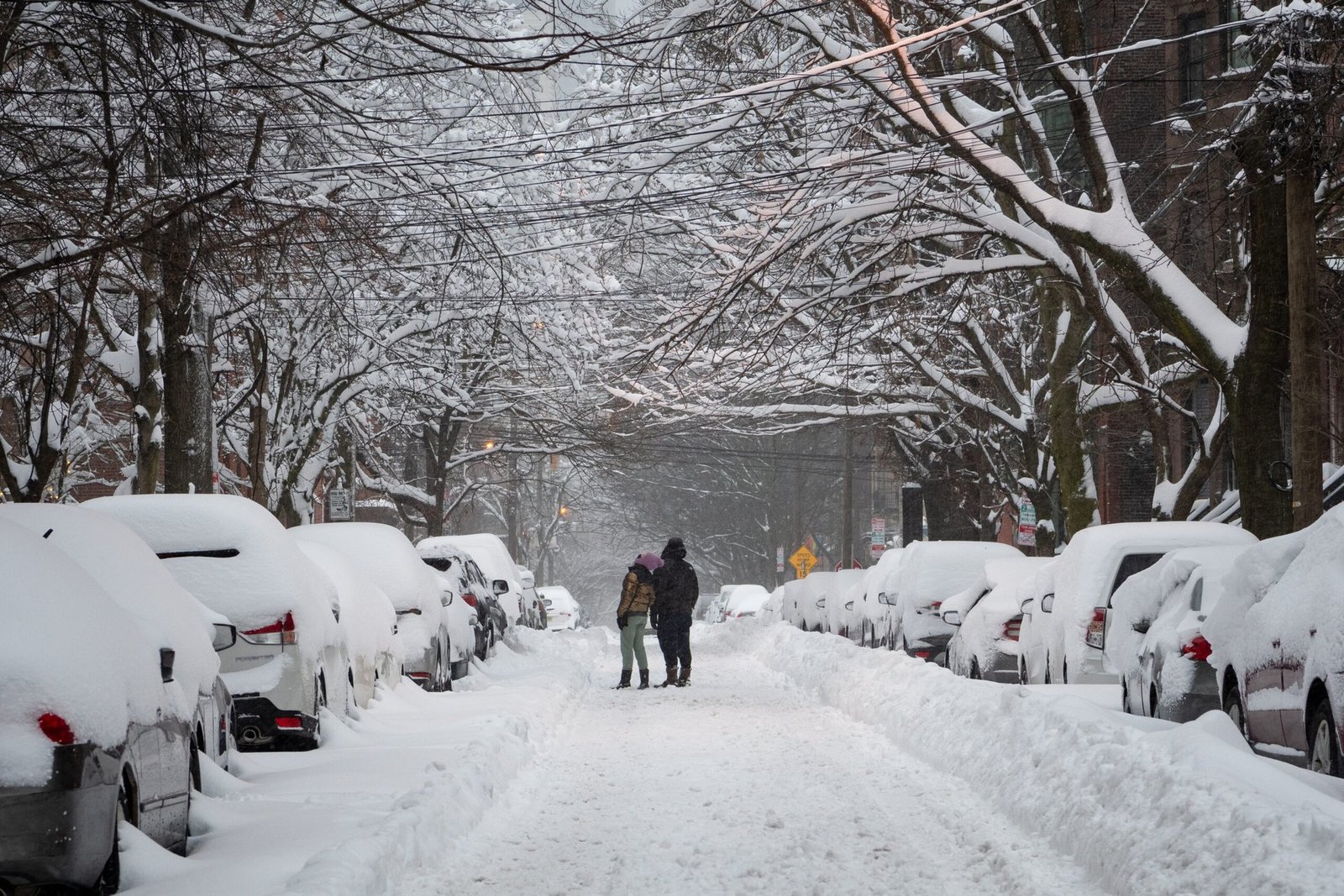

The first cold snap is weeks away, but your heating bill is already written.
The National Energy Assistance Directors Association (NEADA), the group that runs the states’ heating-aid programs, put out its winter forecast in mid-September. The average household will spend about $1,030 to stay warm this winter, up $82, or 8.7%. That’s more than two and a half times the inflation rate.
If you heat with oil, brace yourself: The NEADA projects a 31.3% jump. CBS News figures that’s nearly $2,300 for the four coldest months. Electricity is up 9%; propane, 8.7%; natural gas, 5.8%.
The villain isn’t your thermostat. It’s the war with Iran — which pushed oil from about $72 a barrel toward $100 — and a wave of utility rate cases. The NEADA counts more than 275 utilities that have raised or proposed rates that could add $101 billion to bills through 2028.
Here’s the part that gets me. There’s a federal program built for exactly this, and the NEADA says it “reaches only a fraction of eligible households.” Meanwhile, utilities shut off electricity about 13.4 million times in 2024, by NEADA’s count.
You don’t have to be one of them. Here are seven moves to make before the furnace kicks on, starting with the one most people never bother with.
1. Apply for heating help the day your state opens the door
The Low Income Home Energy Assistance Program, or LIHEAP, pays part of your heating bill, steps in during a shutoff crisis and can even fund weatherization. You don’t pay it back.
Income limits are set by each state, generally topping out around 150% of the poverty line or 60% of the state’s median income. That’s higher than most people assume. Federal rules also tell states to give priority to households with someone elderly or disabled.
Yet the money goes unclaimed. E&E News reported last fall that the program reaches fewer than 20% of eligible families. Part of the reason is that funds are limited and often first come, first served.
So don’t wait for the first bill. Call the National Energy Assistance Referral line at 866-674-6327 or visit energyhelp.us, find your state’s opening date and have your ID, income proof and last utility bill ready.
One caution. Congress funded the program at roughly $4 billion this year, but the administration proposed eliminating it for the fiscal year that starts Oct. 1. Government funding is running on a stopgap through Dec. 11. If your state’s opening slips, that’s why. Keep calling.
2. Ask your utility for the protections it doesn’t advertise
Most states limit shutoffs during extreme cold, and many have extra protections for older adults and for households where a shutoff would endanger someone’s health. The National Consumer Law Center says nearly every state has some form of serious-illness protection.
None of it kicks in automatically. You have to call, ask what programs exist for seniors or medical hardship, and often get a form signed by your doctor.
While you’re on the phone, ask about budget billing, which spreads your yearly cost into equal monthly payments so January doesn’t wreck you. And ask whether the utility has its own hardship fund. Many do, and they’re separate from LIHEAP.
3. If you heat with oil, decide how you’ll buy it now
Oil customers have a decision natural-gas customers don’t: Lock in a price, or ride the market.
A pre-buy contract fixes your price per gallon for the season. The New Hampshire Department of Energy spells out the risk: If prices fall, the dealer won’t lower your price, because the dealer already bought the oil.
A price-cap plan costs a little more, often a premium of around 20 cents a gallon or a flat fee, but your price can go down if the market does. Connecticut’s consumer protection department calls cap plans “less risky than pre-buys.”
With oil already up more than 30% and the outlook tied to a war, a cap looks like the smarter bet to me. Whatever you choose, get it in writing and confirm the dealer is registered with your state.
Quick thought — most financial “gurus” got rich selling advice, not following it. I’d rather show you what actually works, because I’ve lived it. Sign up for the Free Money Talks Newsletter for money advice from someone who takes his own. 10 seconds, no spam.
4. Get the government to insulate your house for free
The Weatherization Assistance Program is LIHEAP’s lesser-known cousin. If you qualify by income, a crew comes out, audits your house and fixes what’s leaking: insulation, air sealing, sometimes the furnace itself.
The U.S. Department of Energy (DOE) says households save an average of $372 or more every year for a one-time visit that costs nothing. Applications run through the same state and local agencies as LIHEAP, so ask about both in one call.
5. Put your thermostat on a schedule
The cheapest heat is the heat you don’t buy. The DOE says you can save as much as 10% a year by turning the thermostat down 7 to 10 degrees for eight hours a day.
You’re asleep for most of those eight hours. Set it to drop at bedtime and come back up before you get out of bed. A programmable thermostat does the remembering. So does a piece of tape on the dial.
6. Seal the leaks before you pay to heat the yard
Air leaks are the difference between heating your house and heating your neighborhood. The DOE’s Energy Saver guide says sealing them can cut heating and cooling bills 10% to 20%.
Start where the cold comes in: weatherstripping around doors, caulk around window frames, foam gaskets behind outlet covers on exterior walls. A $20 afternoon at the hardware store can beat a $200 mistake in February.
If you’re renting or you don’t do ladders, this is exactly what the weatherization program in No. 4 is for.
7. Fix the 3 things everybody forgets
Your water heater. Set it to 120 degrees. The DOE calls that safe for most households, and wrapping the tank can trim water-heating costs 7% to 16%.
Your furnace filter. A clogged filter makes the blower work harder for less heat. The DOE says to clean or replace it monthly during heating season.
Your ceiling fan. There’s a switch on the housing. Flip it so the blades run clockwise on low, which pushes warm air off the ceiling and back down to where you’re sitting.
For more small fixes, see “19 Ways to Stay Warm and Lower Heating Costs for Your Home This Winter,” and “6 Fridge Fixes That Cut Your Power Bill.”
Bottom line
I’ve been writing about money for more than 35 years, and every fall the same thing happens. The forecast comes out, people wince, and then most of them do nothing until the first big bill lands in January.
This year the number is bigger and the help is shakier. So flip the order. Make the calls in September, when the phone lines are short and the money is still there. Then let winter do its worst.
Read the full article here