






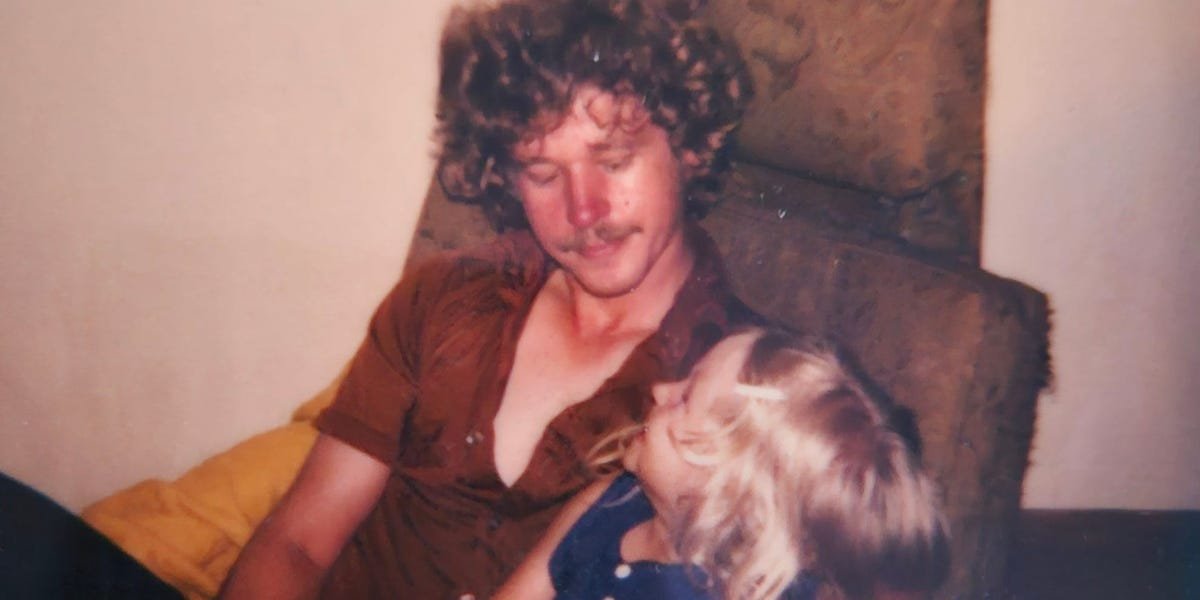

This as-told-to essay is based on a conversation with Heather Waughtel, 47, a project coordinator based in Knoxville, Tennessee. Business Insider has verified her income and her dad’s funeral costs. It has been edited for length and clarity.
Before my dad died, I felt we had been responsible by discussing things like finances and the power of attorney. Dad had life insurance and said the cremation would be covered.
I soon learned that when a loved one dies in the US, you must deal with financial and legal questions while in the rawest stage of grief.
Dad died in July, at age 71. About two days later, a family friend and I called credit card companies, insurers, and the bank to close out Dad’s accounts. That was how we discovered the life insurance policy had been cashed out. There was also no inheritance: Dad’s estate was small and insolvent, with some credit card debt.
My husband and I both work full-time — I’m a project coordinator and he’s a painter for a boat repair shop — but we still live paycheck to paycheck and our finances are always a concern. Sometimes, we have to choose between buying food and gas to get to work.
We had no way to pay for Dad’s cremation, so a family friend loaned us the money. I didn’t feel I had any other choice.
My dad died sooner than we expected
In the early 2000s, Dad transitioned and began identifying as a woman. She thought everyone would be upset, but I respected her so much for coming out and being open and honest about who she was. It was a major, positive turning point in our relationship after years of estrangement, and we remained close until the end of her life.
Her death didn’t come as a total surprise, although it happened a little sooner than we expected. In the final years of her life, she had COPD and a chronic lung infection, and often struggled to breathe.
In early June, she went into a nursing home as her health deteriorated, and she rapidly declined. A month and a bit later, she was gone.
I thought we were prepared for Dad’s death
I thought there would be some money to cover the immediate costs of her death, such as the cremation, but Dad had cashed out her life insurance policy a week before she died. I still don’t know why.
The funeral package, which included transferring her from the nursing home to the funeral home, her cremation, the container for her ashes, service, and death certificates, cost around $3,700.
The family friend went with me to the funeral home to arrange Dad’s cremation, and my credit card was declined. She put the charge on hers without me asking.
I felt guilty and kept thinking I should have used the power of attorney to make sure everything was taken care of before she died.
I could have gotten a second job to pay the friend back, but I already work 7:30 a.m. to 4:30 p.m., then drive home. Crowdfunding felt like my only option. I felt defeated.
I find myself anxious to take the site down, but I have to talk myself out of it. There is embarrassment in asking people to help pay a bill that should have been taken care of. There is embarrassment in not having the money.
It has been hard to grieve while in debt
Since all this happened, my husband and I attended a wills and trusts seminar. I’ve reviewed my life insurance policies and made sure everything is in order. I’m determined that my four adult children will not be left with a mess like this.
I still haven’t scattered Dad’s ashes. I haven’t felt comfortable while the anxiety over paying the money back hangs over me. This situation has left me agitated. It has been hard to process my grief.
The system feels broken: too commercial, too American, and I hate that there are people making money off people dying.
We’re barely making enough to live. How can we afford for someone to die?
Read the full article here