







Last Christmas, I started taking silly photos with my kids, using Snapchat filters. My two children — ages 12 and 8 — had fun choosing different backgrounds, making funny faces, playing around with filters, and playing the interactive games on Snapchat, which are kind of cute. It was also cool to see which filters were new every few days.
My daughter, Sarah, especially loved checking to see what was new. To her, Snapchat started as a colorful, funny, and playful app.
My son, Ben, became interested for similar reasons. About a month ago, he started asking to use it more often to take funny pictures, play with the filters, and try the games. His favorite is a basketball filter, and another game where you bounce a ball and try to land it in a cup. He knows a few friends who use Snapchat, and to him, it feels like something everyone is starting to talk about.
But what started as a fun holiday activity has emerged into a bit of a challenge I am now trying to carefully manage, especially since my children feel my phone is a liberty to play with.
I don’t want my kids to have full access to Snapchat
I am not ready to give my children full access to Snapchat, and especially not on their own phones. I am also not ready to hand over my phone every time they want to text, play, or check a filter.
Though I do like that they actively interact with their friends after school, I prefer that they learn to build friendships in person first, while also grasping the concepts of privacy and boundaries.
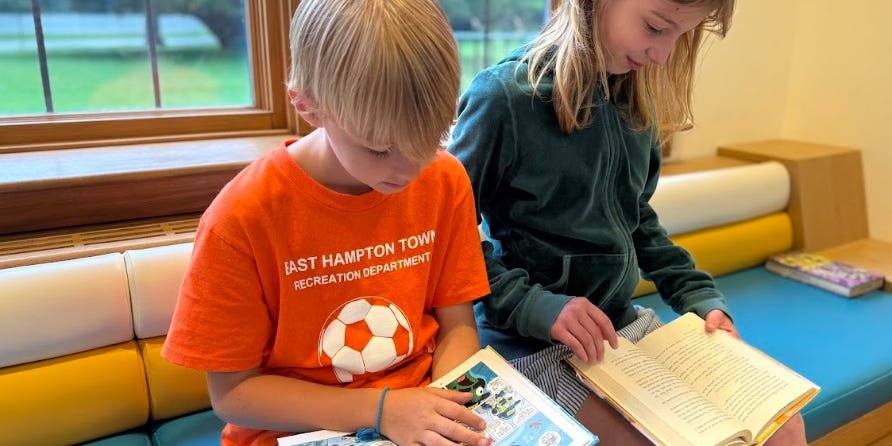
I want my kids to know how to walk up to another child and ask to play. I want them to feel the joy of a kickball game, a dodgeball game, an afternoon at the library, or a rainy-day craft project that does not involve refreshing an app.
I want them to be bored sometimes and figure out how they should occupy their time constructively. I want them to have a childhood with as little screen time as possible.
My kids are starting to rely on my phone and Snapchat
I started noticing the issue mostly with my son. One of the first things he asks me is, “Can I check something?” to see if his friends sent him a new filtered photo. When he comes home from school, he sometimes grabs my phone almost immediately without even looking me in the eye.
For me, that was a significant turning point.
It made me realize this was no longer just about a cute filter or a funny picture. My phone had become a lifeline. He had associated it with downtime, entertainment, and connecting with friends.
I am not completely comfortable with that notion.
My daughter uses my phone significantly less, but she still enjoys the filters and the novelty of it. And she is more aware of boundaries and screen time limits.
Right now, I am trying to find a middle ground
I allow some supervised use of fun filters and photos, usually for a short period — around 20 minutes during downtime.
If they take pictures, we save them to my phone. They do not post. They do not message freely. They do not have unrestricted access.
But more importantly, I am trying to give my kids better and more varied alternatives than defaulting to my cellphone.
My children have a lot of energy, and I have learned that when I do not help direct that energy, the phone becomes more tempting. I bring them to the library consistently on Monday and Wednesday evenings, particularly when it is raining. On nicer days, we spend the afternoons at the beach. One of the things I love about the beaches out here is that the cell service can be spotty or nonexistent. This gives all of us a break.
I want them to learn how to be with people before they learn how to perform for them.
I know this will get harder as they get older
My children are at the age where a few of their friends have phones, some do not, and the ones who do suddenly seem much more reachable. For my son, his friends do not have phones at school. For my daughter, some of them do. When one child can text or use an app and another cannot, the child without the device can start to feel excluded.
I do not want my children to feel excluded. I do not want to be the parent who makes socializing harder. But I also do not want to mistake access for a genuine connection.
Right now, I want them to understand that not having full access is a form of protection. It is me trying to preserve something that feels increasingly hard to hold on to: the short yet energetic and fun, tangible window of childhood before the phone takes up too much space.
Read the full article here