






Close Menu
Fin Street NewsFin Street News
  • Home
  • Business
  • Finance
    • Banking
    • Stocks
    • Commodities & Futures
    • ETFs & Mutual Funds
    • Funds
    • Currencies
    • Crypto
  • Markets
  • Investing
  • Personal Finance
    • Loans
    • Credit Cards
    • Dept Management
    • Retirement
    • Mortgages
    • Saving
    • Taxes
  • Fintech
  • More Articles

Subscribe to Updates

Get the latest finance and business news and updates directly to your inbox.

Trending
Dolly Parton’s smartest business move was saying no to Elvis Presley

Dolly Parton’s smartest business move was saying no to Elvis Presley

August 26, 2026
Marc Benioff goes on the offensive: ‘This is not the SaaSpocalypse’

Marc Benioff goes on the offensive: ‘This is not the SaaSpocalypse’

August 26, 2026
I launched a Buy Canadian marketplace in response to US trade tensions. Now traffic is surging.

I launched a Buy Canadian marketplace in response to US trade tensions. Now traffic is surging.

August 26, 2026
The winners and losers of Meta’s  billion settlement

The winners and losers of Meta’s $18 billion settlement

August 26, 2026
5 Signs It Is Time to Fire Your Financial Advisor

5 Signs It Is Time to Fire Your Financial Advisor

August 26, 2026
Facebook X (Twitter) Instagram
  • Privacy Policy
  • Terms of use
  • Press Release
  • Advertise
  • Contact
August 26, 2026 7:18 pm EDT
|
Facebook X (Twitter) Instagram
  Market Data
Fin Street NewsFin Street News
Newsletter Login
  • Home
  • Business
  • Finance
    • Banking
    • Stocks
    • Commodities & Futures
    • ETFs & Mutual Funds
    • Funds
    • Currencies
    • Crypto
  • Markets
  • Investing
  • Personal Finance
    • Loans
    • Credit Cards
    • Dept Management
    • Retirement
    • Mortgages
    • Saving
    • Taxes
  • Fintech
  • More Articles
Fin Street NewsFin Street News
Home » The US Army is betting on nuclear microreactors to keep its bases powered even if the grid goes dark
The US Army is betting on nuclear microreactors to keep its bases powered even if the grid goes dark
Markets

The US Army is betting on nuclear microreactors to keep its bases powered even if the grid goes dark

News RoomBy News RoomAugust 26, 20264 ViewsNo Comments

The US Army announced plans to build nuclear microreactors on five military bases as it tests whether nuclear energy can keep critical operations running if the power grid goes down.

The Janus Program’s initial rollout selected five vendors and assigned each to a different installation. The Army sees the technology as a potential way to ensure bases and troops can operate off-grid during a conflict.

Questions remain about the ultimate cost, which vendors will prove viable, and how widely the Army could deploy the reactors.

On Wednesday, Army officials shared details on the program. In partnership with the Defense Innovation Unit, the service is awarding up to $2.2 billion in contracts for the first reactors, which will be commercially operated. The Army said it will provide technical support once the reactors are online.

Army Secretary Dan Driscoll said the contracts are meant to give bases reliable power independent of potentially vulnerable external commercial grids.

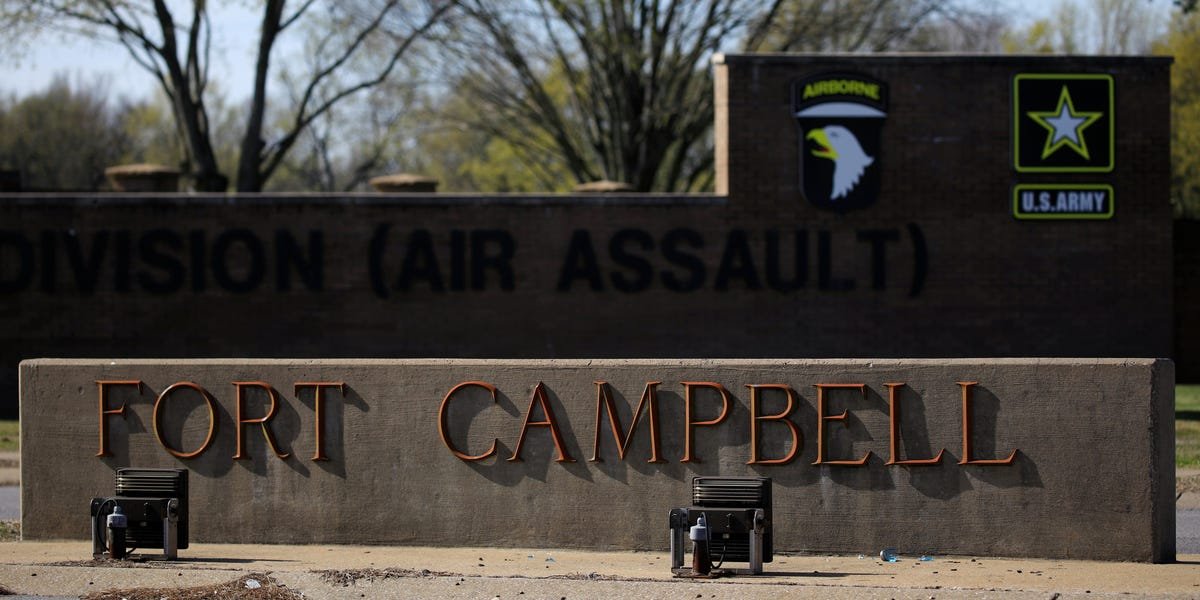
For the Janus program, the Army is pairing Antares Nuclear, Inc. with Fort Bragg in North Carolina, BWXT Advanced Technologies, LLC with Fort Campbell in Kentucky, General Atomics Electromagnetic Systems with Fort Hood in Texas, Radiant Industries, Inc. with Fort Benning in Georgia, and Westinghouse Government Services with Fort Drum in New York.

The Army said future sites could include other strategically important or remote installations.

As the Army rolls out the program, it plans to support the companies through testing and construction. “The schedules that we have agreed to here are what we would consider aggressive but plausible,” Jeff Waksman, deputy assistant secretary of the Army for energy and sustainability, said.

The Army aims to have more than 20 microreactors across Department of Defense installations by 2028.

Want more Business Insider in your news feed?

Add BI in Google so our reporting is easier to find when you’re searching for what matters.

The five bases were chosen after an analysis of potential risks, including seismic activity, as well as energy requirements and costs. The Army then matched each vendor with a base based partly on its proposed design and construction approach.

“Each of these companies are doing their parallel design” of reactor, Waksman told reporters.

“We have five companies because we want to keep maximal competition,” he said. “We know that this is going to be very difficult, and that there’s a real chance that one or more of these companies will fail, and we want to ensure that, at all times, we have competition, we have more than one vendor, that we don’t get vendor-locked.”

Nuclear microreactors are small nuclear reactors that generate power through nuclear fission on a smaller scale. The commercial technology in this space has been experimental for years, with questions remaining on the feasibility and cost compared to other energy sources.

The Army said the number of reactors and the amount of power they will generate will vary by site and vendor.

Army officials said that the service is still evaluating the cost of expanding the program to more installations, which will depend on vendor performance, testing, manufacturing, and the locations of those bases.

The Janus Program was launched last fall following an executive order by US President Donald Trump that called for accelerating nuclear power development and reactor deployment. Although the selected Army bases will continue to rely on external power grids, the microreactors offer a fallback option to keep communications, weapons, and command-and-control systems operational if they lose power.

Concerns have grown over potential vulnerabilities of US military bases to enemy attacks, including in cyberspace and the electromagnetic spectrum, as well as physical strikes using drones and other weapon systems.

“Unlike in prior conflicts, we now know that our domestic electric grid is potentially at risk,” Waksman said. “In a conflict, we also know that we will not necessarily be able to move fossil fuels easily wherever we need them to go.”

The Army presently relies on fossil-fuel generators to back up its critical infrastructure.

Waksman added that DoD’s Project Pele, an initiative to develop a first-of-its-kind mobile microreactor prototype, has provided the service with insight into what the physical risks to reactors are and how it can mitigate them.


Read the full article here

Share. Facebook Twitter LinkedIn Telegram WhatsApp Email

Keep Reading

Marc Benioff goes on the offensive: ‘This is not the SaaSpocalypse’

Marc Benioff goes on the offensive: ‘This is not the SaaSpocalypse’

The winners and losers of Meta’s  billion settlement

The winners and losers of Meta’s $18 billion settlement

Amid warehouse staffing shortages, AI-powered drones and Meta glasses help visually impaired workers get the job done

Amid warehouse staffing shortages, AI-powered drones and Meta glasses help visually impaired workers get the job done

Dolly Parton’s letter to Eminem shows how to make a connection that lasts

Dolly Parton’s letter to Eminem shows how to make a connection that lasts

Stanley Druckenmiller’s AI writing has split Wall Street down the middle

Stanley Druckenmiller’s AI writing has split Wall Street down the middle

One of golf’s biggest YouTube channels is under fire over claims one of its ads glorified violence against women

One of golf’s biggest YouTube channels is under fire over claims one of its ads glorified violence against women

Mystery solved: Chinese lab Z.ai says it’s behind the Ox Alpha model that wowed Silicon Valley

Mystery solved: Chinese lab Z.ai says it’s behind the Ox Alpha model that wowed Silicon Valley

The best thing to do if you left a Wall Street internship without a return offer

The best thing to do if you left a Wall Street internship without a return offer

Canadians cut their US travel by a quarter last year. They’re not rushing back.

Canadians cut their US travel by a quarter last year. They’re not rushing back.

Add A Comment
Leave A Reply Cancel Reply

Editors Picks

Marc Benioff goes on the offensive: ‘This is not the SaaSpocalypse’

Marc Benioff goes on the offensive: ‘This is not the SaaSpocalypse’

August 26, 2026
I launched a Buy Canadian marketplace in response to US trade tensions. Now traffic is surging.

I launched a Buy Canadian marketplace in response to US trade tensions. Now traffic is surging.

August 26, 2026
The winners and losers of Meta’s  billion settlement

The winners and losers of Meta’s $18 billion settlement

August 26, 2026
5 Signs It Is Time to Fire Your Financial Advisor

5 Signs It Is Time to Fire Your Financial Advisor

August 26, 2026
New York wants to win back Canadian tourists with over 100 travel deals amid Trump’s trade war: ‘Our message is one of love’

New York wants to win back Canadian tourists with over 100 travel deals amid Trump’s trade war: ‘Our message is one of love’

August 26, 2026

Latest News

The US Army is betting on nuclear microreactors to keep its bases powered even if the grid goes dark

The US Army is betting on nuclear microreactors to keep its bases powered even if the grid goes dark

August 26, 2026
15 Smart Moves to Make When Your Job Search Hits a Wall

15 Smart Moves to Make When Your Job Search Hits a Wall

August 26, 2026
Dolly Parton loved to cook. Here are her best tricks for fluffier eggs, better cornbread, and more.

Dolly Parton loved to cook. Here are her best tricks for fluffier eggs, better cornbread, and more.

August 26, 2026

Subscribe to News

Get the latest finance and business news and updates directly to your inbox.

Advertisement
Demo
Facebook X (Twitter) Pinterest TikTok Instagram
2026 © Prices.com LLC. All Rights Reserved.
  • Privacy Policy
  • Terms
  • For Advertisers
  • Contact

Type above and press Enter to search. Press Esc to cancel.