






Our Dine Brands Activist Bet Is Up 70%. Now Comes The Hard Part
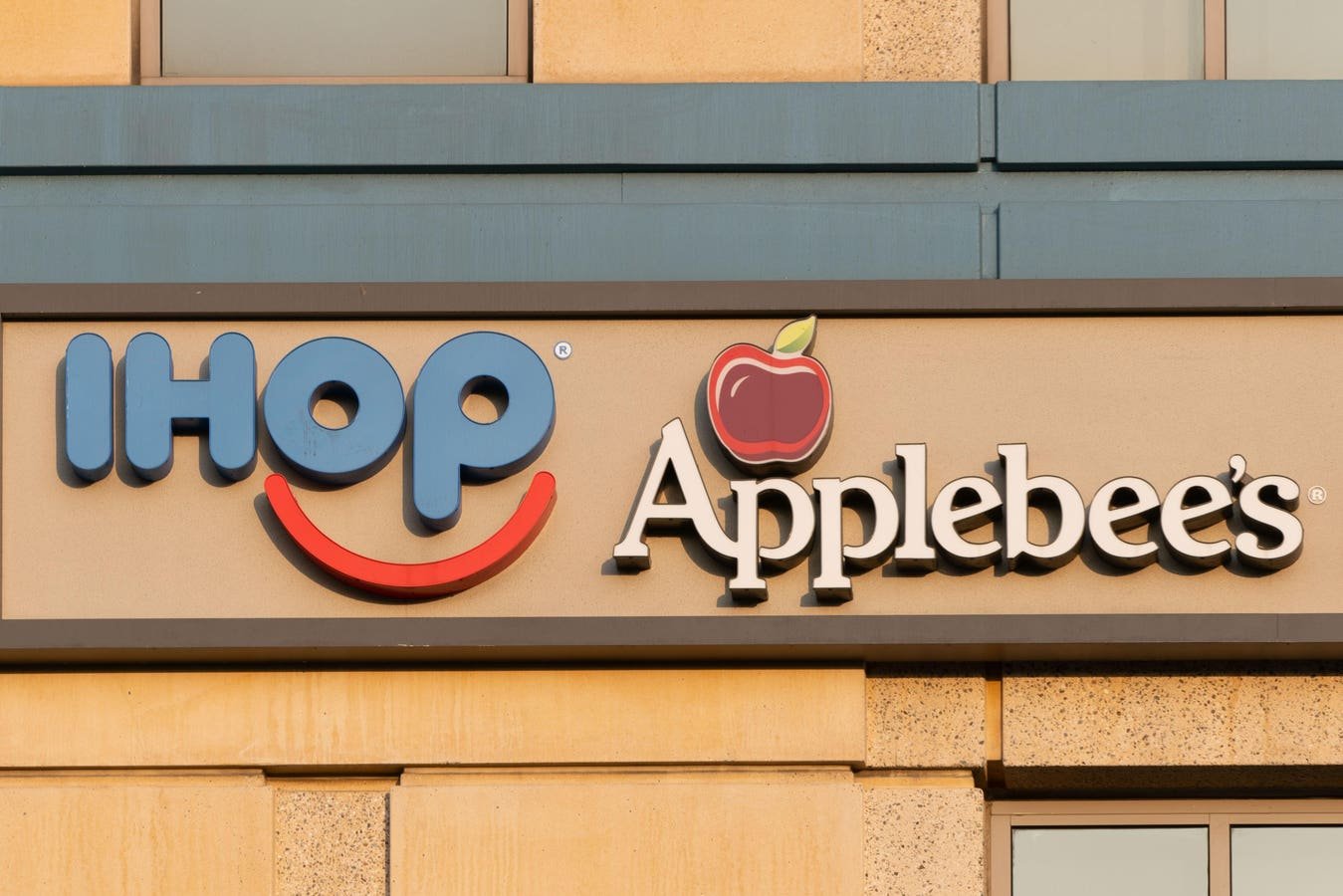
When our firm disclosed an activist stake of roughly 1% in Dine Brands last August, the stock closed at $21.50. It has since risen by approximately 70%. That is clearly encouraging, but it is not why we invested.
Share prices can recover quickly when expectations change. Restaurant traffic, franchisee economics, debt, and operating performance take much longer to repair. The stock is beginning to anticipate a better future for Applebee’s and IHOP. The next earnings report should give investors a clearer idea of whether the business is beginning to catch up.
Over the past several weeks, I have spoken with franchisees and other restaurant-industry participants. The feedback has become more constructive. Applebee’s appears to be gaining traction around value, while some IHOP operators are seeing stronger customer activity.
The situation is still early. One promotion, one franchisee, or one quarter does not make a turnaround. But the evidence is starting to move in the right direction, and that matters when the market had previously assumed very little would improve.
Why We Invested In Dine Brands
Our original thesis was simple. Dine Brands controlled two of the best-known restaurant brands in America, yet its valuation suggested the market had largely given up on both. Applebee’s and IHOP were losing traffic, franchisees were under pressure, and the company carried substantial debt while continuing to distribute cash through a dividend that no longer made sense.
We believed the company needed to rethink capital allocation, refinance expensive debt, improve franchisee involvement, simplify operations, and examine strategic alternatives for non-core assets such as Fuzzy’s Taco Shop. The attraction was not based on Applebee’s or IHOP suddenly becoming fashionable growth concepts. The brands were already known, the restaurants were already built, and customers already understood what they offered. Dine Brands did not need to invent a new business. It needed to operate its existing system more effectively. That is often where the best special situations begin. The market does not need to discover a hidden company. It needs to see a familiar company behave differently.
Several developments since our campaign became public have moved in the direction we argued for.
The quarterly dividend was reduced from $0.51 to $0.19 a share. That was necessary. A large dividend may look attractive on a stock screen, but distributing cash while the balance sheet, franchisees, and brands need investment is not a sustainable strategy.
The company also repurchased shares at depressed prices and added directors with restaurant and consumer experience. I am not claiming that every decision resulted from our involvement, but those changes overlap with priorities we raised publicly.
Management is also speaking more directly about traffic, value, capital allocation, and shareholder outcomes. That change in language is welcome, although investors should ultimately judge Dine Brands by what appears in comparable sales, margins, and cash flow.
The stock has already responded to the possibility of improvement. The business now has to produce it.
What I Am Hearing From Franchisees
The most encouraging change is the tone of my recent conversations with operators.
One IHOP franchisee told me sales had increased by approximately 60% this month, helped in part by greater customer activity surrounding the World Cup. That is one operator and should not be treated as representative of the entire system. It is, however, a meaningful datapoint and consistent with the broader improvement I am hearing. The more important conclusion is that consumers have not abandoned casual dining. They have become much more selective about value.
For years, investors treated Applebee’s and IHOP as tired brands operating in a category facing permanent decline. That view may have confused weak execution with a broken business model. Customers will still visit familiar restaurants when the offer is clear, the price feels reasonable and the experience meets expectations.
Applebee’s is beginning to compete more directly around that idea. The 2 for $25 menu gives customers an appetizer and two full-size entrées. The return of the $1 Dollarita has also generated attention around a promotion closely associated with the brand. Neither promotion proves the business has turned. Restaurants can always buy temporary traffic through discounts. The test is whether those offers produce profitable visits, repeat customers, and better economics for franchisees. Applebee’s does not need to become premium dining. It needs to offer a meal and an experience that customers believe is worth the price. That opportunity may be improving as the cost gap between fast food and casual dining continues to narrow.
When a fast-food meal no longer feels inexpensive, a complete meal at Applebee’s can become more competitive. The company does not need to win every occasion. It needs to give enough customers a clear reason to choose it again.
The Numbers Are Starting To Improve At Dine Brands
The first-quarter results provided some early evidence of stabilization. Applebee’s domestic comparable sales increased 1.9%, compared with a decline a year earlier. IHOP was flat after falling during the same period in 2025. Those numbers were better, but they did not yet amount to a complete turnaround. Adjusted EBITDA and operating cash flow declined, showing that improved restaurant sales had not fully reached the company’s financial results. That gap is important.
Dine Brands operates a largely franchised model. Higher restaurant sales can support royalty revenue, healthier advertising funds, stronger franchisee confidence, and eventually more investment in remodeling and new locations. But none of that works for long if restaurant-level returns remain weak.
Promotions that increase traffic but damage margins will not create lasting value. Franchisees also need to see enough improvement to justify investing in their stores. A franchised restaurant system cannot recover through corporate marketing alone. The people operating the restaurants must believe the economics are getting better.
That is why the next stage is more difficult than the first. The stock market can react to a dividend cut, board change, or new promotion almost immediately. Improving thousands of restaurants requires consistency. Better traffic must become better sales, and better sales have to become stronger cash flow.
What The Next Earnings Report Must Show
The next report should answer whether the improvement I am hearing is broad enough to matter at the company level. Applebee’s needs to show that the positive first-quarter comparable-sales trend continued. IHOP needs to move beyond stabilization and demonstrate that customer activity is beginning to grow again. Traffic will be particularly important. Price increases can support sales even when fewer people visit. A durable recovery requires more customers coming through the doors.
Investors should also focus on the quality of the improvement. Stronger comparable sales will mean less if promotions weaken franchisee margins or fail to generate repeat visits. Management needs to show that the value strategy is attracting customers without simply giving food away.
The same applies to Dine Brands’ own financial results. Better restaurant sales should eventually support EBITDA, free cash flow, and debt reduction. If that conversion does not begin to appear, investors will question whether the operating momentum is as valuable as it first looks.
Management’s comments on capital allocation will matter as well. The dividend reduction created flexibility, but the company still needs to use that cash carefully. Debt reduction, selective share repurchases, investment in the brands, and action involving non-core assets may all have a role. The company should explain how each dollar is used and what return shareholders can expect.
There is also the question of how durable the current improvement may be. The World Cup, Dollarita and other promotions can bring customers in temporarily. The real opportunity is rebuilding the habit of visiting Applebee’s and IHOP after those events have passed.
The Future Case For Dine Brands
The investment case does not require Applebee’s or IHOP to become high-growth restaurant concepts. It requires evidence that the decline has stopped. That is a much more achievable hurdle, particularly given a valuation that had already reflected years of disappointment. If Applebee’s can produce consistent positive comparable sales, IHOP can return to growth, and Dine Brands can convert improving traffic into cash, the market may begin to view the company differently. Instead of treating it as a collection of declining restaurant brands, investors may start valuing it as a recovering franchise platform. That change can create substantial upside because the starting expectations were so low.
A business does not need to become exceptional to produce an exceptional stock return. It needs to perform better than the market expects and continue doing so for long enough that investors are forced to change their assumptions.
When we began the campaign, the market appeared to believe very little could improve. The rise in the stock shows that expectations have already moved. It does not mean the opportunity is over, but it does mean the next gains will have to be earned differently. The first stage was getting investors to reconsider the company. The next stage is proving they were right to do so.
Activism can identify problems, challenge capital allocation, and push a board or management team to move faster. It cannot manage every restaurant, serve every meal, or create every customer experience. Dine Brands and its franchisees have to do that work.
The company has made progress. The dividend was reduced, the board gained additional industry experience, Applebee’s comparable sales turned positive, and the franchisee feedback I am hearing has improved. The market has begun to recognize those changes. Now the operating results need to justify the stock’s recovery and support what comes next. That is the harder part of the campaign. It may also be where most of the remaining value is created.
Disclosure: The Edge Consulting Group and affiliated investors beneficially own shares of Dine Brands Global. The firm has publicly engaged with the company regarding governance, capital allocation, operations, and shareholder value.
Read the full article here
