






As temperatures climb, it’s normal for your air conditioner to work harder. But if your electric bill suddenly jumps, the weather may not be the only culprit.
Before assuming you need a new air conditioner, check for these common problems that may be forcing your system to run longer than necessary.
1. You’re letting cool air escape
One of the easiest ways to waste money is by cooling the outdoors. Leaving doors or windows open, even briefly, allows cooled air to escape while hot air moves inside. Your AC has to work harder to replace that lost cool air.
Check that windows are fully closed and avoid leaving exterior doors open longer than necessary during the hottest part of the day.
2. Your thermostat settings are costing you
Turning the thermostat way down won’t cool your home faster. Instead, your system simply runs longer until it reaches the temperature you’ve selected.
Choose a comfortable setting and avoid constantly adjusting it throughout the day. A programmable or smart thermostat may help reduce unnecessary cooling.
3. Your air filter needs attention
A dirty air filter restricts airflow, making your AC work harder to move cool air through your home. Replacing a filter is one of the simplest maintenance tasks homeowners can do.
Check it every month during heavy cooling season and replace it when it looks dirty or according to the manufacturer’s recommendations.
4. Furniture or closed doors are blocking airflow
Your HVAC system depends on air moving freely throughout the house. Large furniture placed over vents or closed interior doors can reduce airflow in some homes, making cooling less effective.
Walk through your house and make sure supply and return vents remain unobstructed.
5. Your home isn’t keeping the cool air inside
Even the most efficient air conditioner can’t overcome poor insulation forever. Warm air entering through gaps around doors, windows or attic spaces can force your system to run much longer.
Weather stripping, caulk and sealing obvious leaks may improve comfort while helping lower cooling costs.
6. Your ductwork could be leaking
Much of your ductwork is hidden behind walls, in crawl spaces or inside the attic. If those ducts leak, cooled air may never reach the rooms you’re trying to cool.
A professional inspection can determine whether sealing or repairing ductwork could improve efficiency.
7. Your outdoor unit needs room to breathe
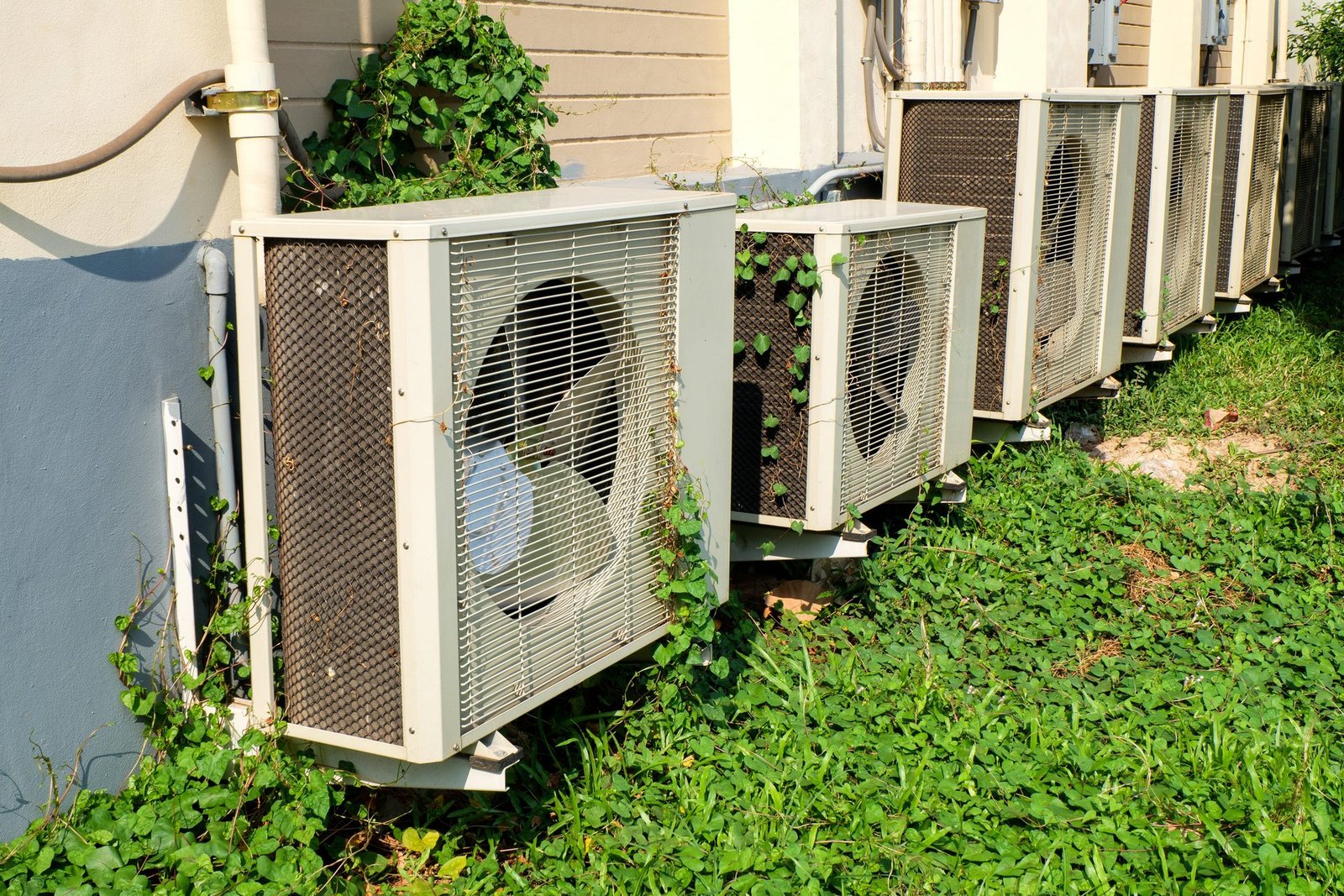
The condenser outside releases heat collected from inside your home. Grass clippings, leaves, dirt and overgrown shrubs can restrict airflow around the unit and reduce its efficiency.
Keep the area around the condenser clear and gently rinse away dirt when recommended by your owner’s manual.
FINANCIAL EXPERTS WARN: One unexpected home repair could cost homeowners thousands. HVAC failures, plumbing leaks, and appliance breakdowns can strike without warning, leaving you with a bill exceeding $3,000. Don’t get caught off guard. Check Your Eligibility Now.
8. Low refrigerant may signal a bigger problem
Air conditioners don’t normally consume refrigerant. If levels are low, there’s often a leak that needs professional attention.
Signs may include weak cooling, ice on the unit or longer cooling cycles than normal.
9. Your AC may be the wrong size
Bigger isn’t always better. An oversized system may cool the house quickly but shut off before removing enough humidity. An undersized unit may run almost constantly trying to keep up.
If your home has uneven temperatures or frequent cycling, an HVAC professional can determine whether your system is properly matched to your home’s needs.
10. Age may finally be catching up with your system
Even well-maintained air conditioners become less efficient over time. If repair bills keep piling up and your energy costs continue rising, it may be worth comparing the cost of another repair with investing in a newer, more efficient model.
Depending on where you live, rebates or tax incentives may help reduce the upfront cost of replacing an older system.
Small fixes can lead to big savings
Not every spike in your electric bill means you need an expensive repair. Start with the simple fixes you can handle yourself, such as replacing filters, sealing air leaks and checking vents for obstructions.
If those steps don’t solve the problem and keep you cool, schedule a professional inspection before your system is forced to work through the hottest weeks of summer. A little preventive maintenance today could help avoid a much larger repair bill and keep more money in your pocket all season long.
Read the full article here