








Claiming a dependent on your tax return can unlock meaningful savings, but the rules around who qualifies are more nuanced than many people realize. Whether you’re supporting a child, an aging parent, or another family member, understanding the IRS requirements and the benefits tied to dependency status can make a real difference in what you owe, or what you get back, when you file.
A financial advisor can help you meet IRS requirements and claim every benefit you are entitled to when filing taxes for dependents.
Who Qualifies as a Dependent for Tax Purposes?
Before you can claim someone as a dependent on your tax return, the IRS requires that they meet specific criteria. Generally, dependents fall into one of two categories: qualifying children or qualifying relatives. Each category has its own set of rules designed to ensure that the person relies on you financially.
A qualifying child must meet several tests related to relationship, age, residency and support. This includes your biological child, adopted child, stepchild, sibling or a descendant of one of these, such as a grandchild. The child must be under age 19, under age 24 if a full-time student, or any age if permanently and totally disabled. The child must have lived with you for more than half the year and must receive more than half of their financial support from you.
Not all dependents are children. A qualifying relative can be a parent, grandparent, sibling or even an unrelated individual who meets certain conditions. Relatives must have lived with you for more than half the year, while an unrelated person must have lived with you for the entire year to qualify. This person must have a gross income below a set threshold and must rely on you for more than half of their total financial support during the year. Unlike qualifying children, there is no age requirement, but residency or relationship rules still apply.
Two key factors determine dependency: income and support. For both qualifying children and qualifying relatives, income must fall below the IRS limit, which is $5,300 for tax year 2026. 1 You must also provide more than half of their total support, which includes expenses like housing, food, education and medical care, making it essential to track your contributions carefully. 2
Tax Benefits of Claiming a Dependent

Claiming a dependent can directly reduce how much you owe in taxes. It gives you access to valuable credits and deductions. These benefits offset the cost of supporting another person, whether it’s a child, aging parent or another qualifying individual. In many cases, this can translate into significant savings when you file your return.
One of the most well-known benefits is the Child Tax Credit. This allows eligible taxpayers to reduce their tax liability for each qualifying child. Depending on your income and the number of children you claim, this credit can be substantial. You may also qualify for the Child and Dependent Care Credit if you pay for care while working or looking for work, helping offset expenses like daycare or after-school programs. 3
For lower- to moderate-income households, the Earned Income Tax Credit can provide an additional financial boost. The amount of the credit increases based on your income and the number of qualifying children you have. In some cases, the EITC can even result in a refund, making it one of the most impactful tax benefits available. 4
Claiming a dependent may allow you to file as head of household instead of single, which typically offers a higher standard deduction and more favorable tax brackets. This status is especially beneficial for single parents or individuals who provide the majority of financial support for a dependent living in their home.
How to Claim a Dependent on Your Tax Return
Before claiming a dependent, make sure you have accurate personal details for each individual. This includes their full name, date of birth and Social Security number or taxpayer identification number. Having this information ready helps prevent delays or mistakes when filing your return.
Confirm that the person meets the IRS requirements for either a qualifying child or qualifying relative. This means reviewing factors like relationship, residency, income, financial support, and whether the person is being claimed as a dependent by anyone else. Taking time to double-check eligibility can help you avoid audits or rejected returns later.
If you have a qualifying dependent, you may be eligible to file as head of household rather than single. This status can provide a higher standard deduction and more favorable tax brackets. Selecting the correct filing status ensures you maximize the benefits tied to your dependent.
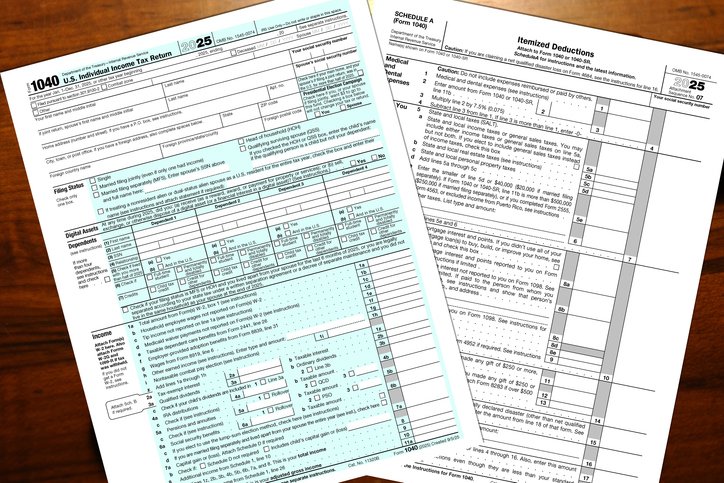
When completing your tax return, you’ll enter each dependent’s information in the designated section of Form 1040. Be sure all details match official records exactly, as mismatches can trigger processing issues. Most tax software will guide you through this step and flag potential errors. 5
Who Gets to Claim a Dependent Child When Both Parents File Independently?
When both parents file separate tax returns, the Internal Revenue Service generally gives the right to claim a dependent child to the custodial parent. This is the parent with whom the child lived for the greater number of nights during the tax year. Residency is the primary factor, even if both parents share financial responsibilities.
If a child spends an equal amount of time with both parents, the IRS applies tie-breaker rules to determine who can claim the dependent. In most cases, the parent with the higher adjusted gross income (AGI) will be eligible. These rules help prevent both parents from claiming the same child and ensure consistency in tax filings.
Even if the noncustodial parent claims the child as a dependent, certain tax benefits may still remain with the custodial parent. For example, eligibility for head of household filing status or the Child and Dependent Care Credit usually depends on where the child lives. Understanding how these benefits are divided can help both parents plan their tax strategies effectively. 6
When a Dependent Might Need to File Their Own Return
Even if someone qualifies as a dependent, they may still need to file their own tax return depending on how much income they earn. The Internal Revenue Service sets annual income thresholds that determine filing requirements, and these can differ based on whether the income is earned (like wages) or unearned (such as interest or dividends). If a dependent’s income exceeds these limits, filing a return is typically required.
Dependents who are self-employed often have to file a tax return even if their income is relatively low. This is because self-employment taxes apply once earnings exceed a modest threshold. Other situations, such as receiving certain government benefits or owing specific taxes, can also trigger a filing requirement. 7
What Happens If You Claim a Dependent Incorrectly
Claiming a dependent you don’t actually qualify to claim is one of the more common tax mistakes people make, and the consequences can range from a minor inconvenience to a costly correction. Understanding what can go wrong is just as important as knowing how to file correctly in the first place.
The most immediate issue is a rejected or flagged return. The IRS cross-checks dependent claims across all filed returns using Social Security numbers. If two people claim the same dependent, both returns get flagged automatically. At that point, the IRS steps in and applies its tie-breaker rules to determine who had the valid claim. The person who filed incorrectly will likely owe back taxes on any credits or deductions they shouldn’t have received, plus interest and potential penalties on top of that.
Shared custody situations are where mistakes happen most often. Both parents may genuinely believe they are entitled to claim the child, especially if financial support is split fairly evenly. But the IRS goes by where the child lived, not who paid more, so it is worth getting clear on that distinction before filing.
Audit Risk
Beyond the financial hit, an incorrect dependent claim can also increase your chances of an audit, particularly if it happens more than once or if the numbers involved are significant. Credits like the Earned Income Tax Credit are closely monitored because they are frequently claimed in error, and the IRS pays close attention to returns where those credits appear alongside questionable dependent information.
If you realize after filing that you claimed a dependent incorrectly, the fix is to file an amended return using Form 1040-X. The sooner you do it the better, as correcting the mistake on your own terms typically results in lower penalties than waiting for the IRS to catch it. Most tax software makes this process straightforward, and a CPA or tax professional can walk you through it if the situation feels complicated.
Bottom Line
Filing income tax returns with dependents starts with understanding who qualifies and how those rules affect your return. From determining eligibility to claiming valuable credits and navigating shared custody situations, each step can influence your overall tax savings. Dependents may also have their own filing requirements, making coordination essential.
Tax Planning Tips
- A financial advisor can walk you through the rules around claiming dependents and help you avoid costly mistakes at tax time. Finding a financial advisor doesn’t have to be hard. SmartAsset’s free tool matches you with vetted financial advisors who serve your area, and you can have a free introductory call with your advisor matches to decide which one you feel is right for you. If you’re ready to find an advisor who can help you achieve your financial goals, get started now.
- If you want to know how much your next tax refund or balance could be, SmartAsset’s tax return calculator can help you get an estimate.
Photo credit: ©iStock.com/phakphum patjangkata, ©iStock.com/Jacob Wackerhausen, ©iStock.com/Larry_Reynolds
Read the full article here