





Maybe you’ve been looking at your premiums and scratching your head thinking, Does everyone pay this much? Or maybe you’re just entering the market and your eyeballs are popping. Either way, we get it. Insurance is one of those things you know you need, but it seems to cost. A. Lot.
So, how much should you pay for insurance? Depending on what kind you need, what’s the average insurance cost per month?
Let’s look at some average numbers for the four main types of insurance you should have—auto, homeowners (or renters), health insurance and life insurance—and get a feel for what people normally pay. While insurance is the best defense for your life and finances, that doesn’t mean you have to overpay for the right coverage.
How Much Should You Pay for Auto Insurance?
Screeech! Bang! There are few things worse than the jitters you get after a car accident. It doesn’t take long for the adrenaline rush to be replaced by anxiety over the cost of repairing or replacing your car. Thankfully, auto insurance softens the blow.
But how much is car insurance per month? According to a study from the Federal Reserve in 2025, the national average cost per household for car insurance is $1,993 per year.5 (For the average car insurance cost per month, that works out to about $166. But keep in mind, paying monthly instead of annually often leads to extra fees.)
Here’s a look at the average car insurance cost for full coverage* by state:
|
State |
Average Cost for Full Coverage |
|
Alabama |
$1,836 |
|
Alaska |
$2,217 |
|
Arizona |
$2,257 |
|
Arkansas |
$2,321 |
|
California |
$2,848 |
|
Colorado |
$2,315 |
|
Connecticut |
$2,310 |
|
Delaware |
$2,500 |
|
Florida |
$3,536 |
|
Georgia |
$2,410 |
|
Hawaii |
$1,655 |
|
Idaho |
$1,339 |
|
Illinois |
$2,004 |
|
Indiana |
$1,668 |
|
Iowa |
$1,683 |
|
Kansas |
$2,171 |
|
Kentucky |
$2,807 |
|
Louisiana |
$3,718 |
|
Maine |
$1,408 |
|
Maryland |
$2,290 |
|
Massachusetts |
$1,777 |
|
Michigan |
$2,859 |
|
Minnesota |
$2,021 |
|
Mississippi |
$2,008 |
|
Missouri |
$2,326 |
|
Montana |
$2,048 |
|
Nebraska |
$1,839 |
|
Nevada |
$2,535 |
|
New Hampshire |
$1,480 |
|
New Jersey |
$2,687 |
|
New Mexico |
$1,921 |
|
New York |
$2,898 |
|
North Carolina |
$1,412 |
|
North Dakota |
$1,825 |
|
Ohio |
$1,422 |
|
Oklahoma |
$2,576 |
|
Oregon |
$1,857 |
|
Pennsylvania |
$2,334 |
|
Rhode Island |
$2,414 |
|
South Carolina |
$2,407 |
|
South Dakota |
$2,150 |
|
Tennessee |
$1,787 |
|
Texas |
$2,260 |
|
Utah |
$2,002 |
|
Vermont |
$1,237 |
|
Virginia |
$1,776 |
|
Washington |
$1,519 |
|
West Virginia |
$2,135 |
|
Wisconsin |
$1,750 |
|
Wyoming |
$1,720 |
Data from Quadrant Services
*100/300/100 liability, uninsured motorist coverage, and collision and comprehensive coverage with $500 deductibles.
Reminder, we’re talking averages here. Not all car insurance rates are created equal. Let’s say your neighbor Bubba drives his truck like a maniac and gets into a fender bender (or three) every year, but your driving record is squeaky clean—who do you think will get the bigger auto insurance bill? You guessed it. The insurance company will charge him more because he’s riskier to insure. So don’t be Bubba!
Where you live will usually also factor into your car insurance price. And keep in mind, some car insurance companies tack on extra fees if you pay by the month. Make sure to check with your carrier.
No matter how much your premium ends up being, you need to have the right coverage. Unless you can open your wallet and pay for a new car without putting a dent in your finances, you should have comprehensive, collision and liability coverage.
Do You Actually Have Enough Coverage?
Take the Coverage Checkup to get a personalized insurance action plan that guides your next steps so you can confidently check things off as you get covered.
How Much Should You Pay for Homeowners (or Renters) Insurance?
Dorothy was right—there’s no place like home. And homeowners insurance is there to help protect your finances if something terrible happens to your home and everything in it.
In 2025, the average homeowners insurance annual premium for $350,000 in dwelling coverage was $1,951, a one-year increase of 16%, according to Quadrant Information Services. But homeowners insurance costs range widely depending on your situation.
Your cost will be based on the value of your home, your past (no, not the time you hosted a rager in your parents’ house—your insurance history!), what type of coverage you need, your credit score (we’re not fans), if you need flood insurance, and how much your belongings are worth.
But here’s some good news. For most homeowners, your property insurance is usually included in your mortgage payment, so it doesn’t really feel like an extra expense at all.
Saving money isn’t necessarily the absolute rule when it comes to insurance. The coverage is there to make sure if your biggest investment gets destroyed, your finances won’t be wiped out too. Make sure you have enough home insurance to rebuild your house and replace all your stuff.
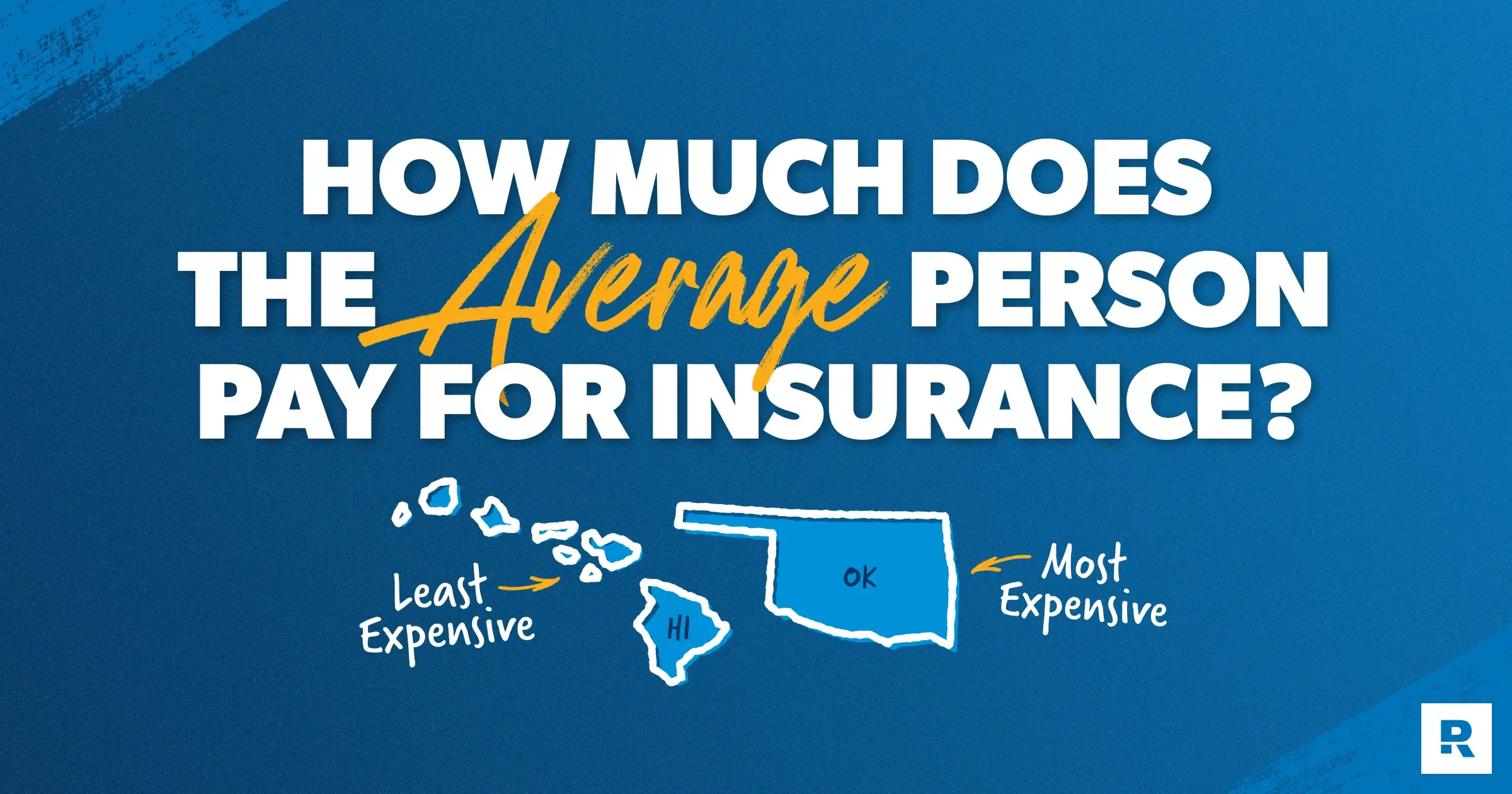
The Most and Least Expensive States for Homeowners Insurance (Annual Premiums)
The biggest factor that impacts how much you’ll pay for homeowners insurance is, of course, how well connected you are with the insurance lords . . . just kidding, it’s location—in particular, the reconstruction costs in your area. Folks who live in major cities and densely populated areas will likely have higher rates than people in rural areas. And if you happen to live in a state where natural disasters are more common—think tornadoes, hurricanes and wildfires—you’re more likely to have higher insurance rates too.
Looking at the states with the highest and lowest homeowners insurance rates, it’s no surprise the states with higher rates have dealt with major natural disasters the past few years.
|
Most Expensive |
Least Expensive |
|
1. Oklahoma ($4,325) |
1. Hawaii ($407) |
|
2. Louisiana ($3,994) |
2. Vermont ($945) |
|
3. Nebraska ($4,444) |
3. Nevada ($961) |
|
4. Arkansas ($3,452) |
4. New Jersey ($1,004) |
|
5. Colorado ($3,185) |
5. Utah ($1,026) |
Data from Quadrant Information Services based on $350,000 in dwelling coverage
Now, if you’re renting, you’re not off the hook. You need enough renters insurance to replace your stuff if it gets stolen or destroyed in a fire or some other disaster. Without this coverage, you’ll have to replace everything on your own dime. And since it only costs roughly $15 per month, there’s really no excuse for you not to have it!
How Much Should You Pay for Health Insurance?
Maybe you’re healthy and fit and are thinking, Man, I’m hot. And maybe you’re also thinking, My health insurance cost is high—this number can’t be right. How much does the dude using the 10-pound kettlebells pay? Or maybe you’ve put on a few extra pounds and are wondering how much you could save if you got healthy. Everybody’s unique when it comes to health insurance costs, but let’s take a look at some numbers.
The average person in America pays $625 per month for marketplace health insurance as of 2026.6
What about employer coverage? The average American worker paid $1,440 in 2025 for employer-sponsored group health insurance. Workers with families pay an estimated $6,850 every year for coverage.7
But costs vary a lot based on factors like your age, the number of people on your plan, the level of coverage, your location, and your employer. And if you’re looking to keep that monthly premium down to save some money in your budget, choose a higher deductible plan.
Average Insurance Cost Per Month for Marketplace Health Insurance in 2026 by State
Here’s a breakdown of the average costs of marketplace insurance depending on your state:
|
State |
Cost |
State |
Cost |
|
Alabama |
$645 |
Nebraska |
$710 |
|
Alaska |
$1,032 |
Nevada |
$497 |
|
Arizona |
$532 |
New Hampshire |
$401 |
|
Arkansas |
$774 |
New Jersey |
$545 |
|
California |
$570 |
New Mexico |
$623 |
|
Colorado |
$557 |
New York |
$817 |
|
Connecticut |
$870 |
North Carolina |
$638 |
|
Delaware |
$691 |
North Dakota |
$570 |
|
Florida |
$683 |
Ohio |
$513 |
|
Georgia |
$615 |
Oklahoma |
$604 |
|
Hawaii |
$541 |
Oregon |
$543 |
|
Idaho |
$490 |
Pennsylvania |
$572 |
|
Illinois |
$646 |
Rhode Island |
$506 |
|
Indiana |
$474 |
South Carolina |
$564 |
|
Iowa |
$501 |
South Dakota |
$655 |
|
Kansas |
$670 |
Tennessee |
$711 |
|
Kentucky |
$590 |
Texas |
$661 |
|
Louisiana |
$646 |
Utah |
$640 |
|
Maine |
$709 |
Vermont |
$1,299 |
|
Maryland |
$414 |
Virginia |
$455 |
|
Massachusetts |
$494 |
Washington, D.C. |
$610 |
|
Michigan |
$523 |
Washington |
$612 |
|
Minnesota |
$448 |
West Virginia |
$1,073 |
|
Mississippi |
$662 |
Wisconsin |
$611 |
|
Missouri |
$605 |
Wyoming |
$1,090 |
|
Montana |
$692 |
|
|
Kaiser Family Foundation8
How Much Should You Pay for Life Insurance?
Life insurance has one job: to help your family replace your income if you suddenly die. We recommend getting a 15- or 20-year term life insurance policy that covers 10–12 times the amount of your annual gross income. So, how much does life insurance cost?
Well, if you’re a healthy 30-year-old male who wants to take out a 20-year term life policy with $1 million worth of coverage, you’ll probably pay around $564 each year, or $47 a month.9
But the exact amount you’ll pay will vary based on the length of the policy, your age, health history, tobacco use, gender, and how much coverage you want.
The Right Coverage at the Best Price
So, how much will you pay for insurance? If you’re the most average of average people and you paid for the average coverage from all four insurance types, your average insurance cost per month would be about $1,000 for all of them.*
But we know not everybody’s average. As we’ve shown, your situation will impact how much insurance costs you. But you don’t have to wonder if you’re paying too much for what you need.
A RamseyTrusted local insurance pro will shop the market for you and make sure you get the best deal. These pros are some of the best independent insurance agents in the country—they have the heart of a teacher, which means they’ll make sure you know what you need and why. And they’ll give you free quotes so you can know you’re not overpaying.
Don’t think you’re stuck paying through the nose for insurance—you have choices!
*Average monthly cost calculated by using the estimates of $166 for auto insurance, $625 for marketplace health insurance, $47 for life insurance, and $163 for homeowners insurance. See Key Takeaways for more detail.
Read the full article here