






Food prices have climbed roughly 25% since 2020, according to Bureau of Labor Statistics data. If your weekly grocery bill feels like a second mortgage, you’re not imagining it. Families are scrambling for any legitimate way to cut costs without cutting quality.
Here’s a secret the big food companies would rather you didn’t know. That “cheap” store brand sitting on the shelf right next to the famous name brand? It’s often made by the exact same company.
In the exact same factory. Using the exact same ingredients. Only the label — and the price — changes.
Consumer Reports found that switching to store brands can save you 15% to 25% on most items. Over a year, that’s hundreds of dollars back in your pocket.
But not every generic is a winner. While some are identical to pricey name brands, others aren’t worth the savings at any price. Here’s the breakdown.
12 generics that are basically the same as the name brand
Let’s start with the 12 items you should start buying generic today.
1. Milk
Your store-brand gallon of milk almost certainly comes from the same dairy as the name brand — often processed on the same line and bottled the same day. Federal rules require identical pasteurization standards regardless of the label on the jug.
2. Eggs
Most grocery chains source their eggs from the same regional producers that supply the big brands. Unless you want something specific like organic or pasture-raised, you’re paying extra for nothing.
3. Sugar, flour, salt, and baking soda
These are single-ingredient staples. Michigan State University Extension notes that most baking staples taste and perform identically to name brands — and professional chefs overwhelmingly buy generic.
4. Spices and seasonings
The markup on name-brand spices is brutal. That store-brand garlic powder, chili powder, and cinnamon sitting right next to McCormick? It’s usually the same ground spice from the same global suppliers. Buy the cheap jar and season without guilt.
5. Frozen fruits and vegetables
Whether you’re tossing berries into a smoothie or peas into a stir-fry, you won’t taste a brand-name difference. The produce is picked, flash-frozen, and packaged by the same handful of processors. Going generic here can save you roughly 30% per bag.
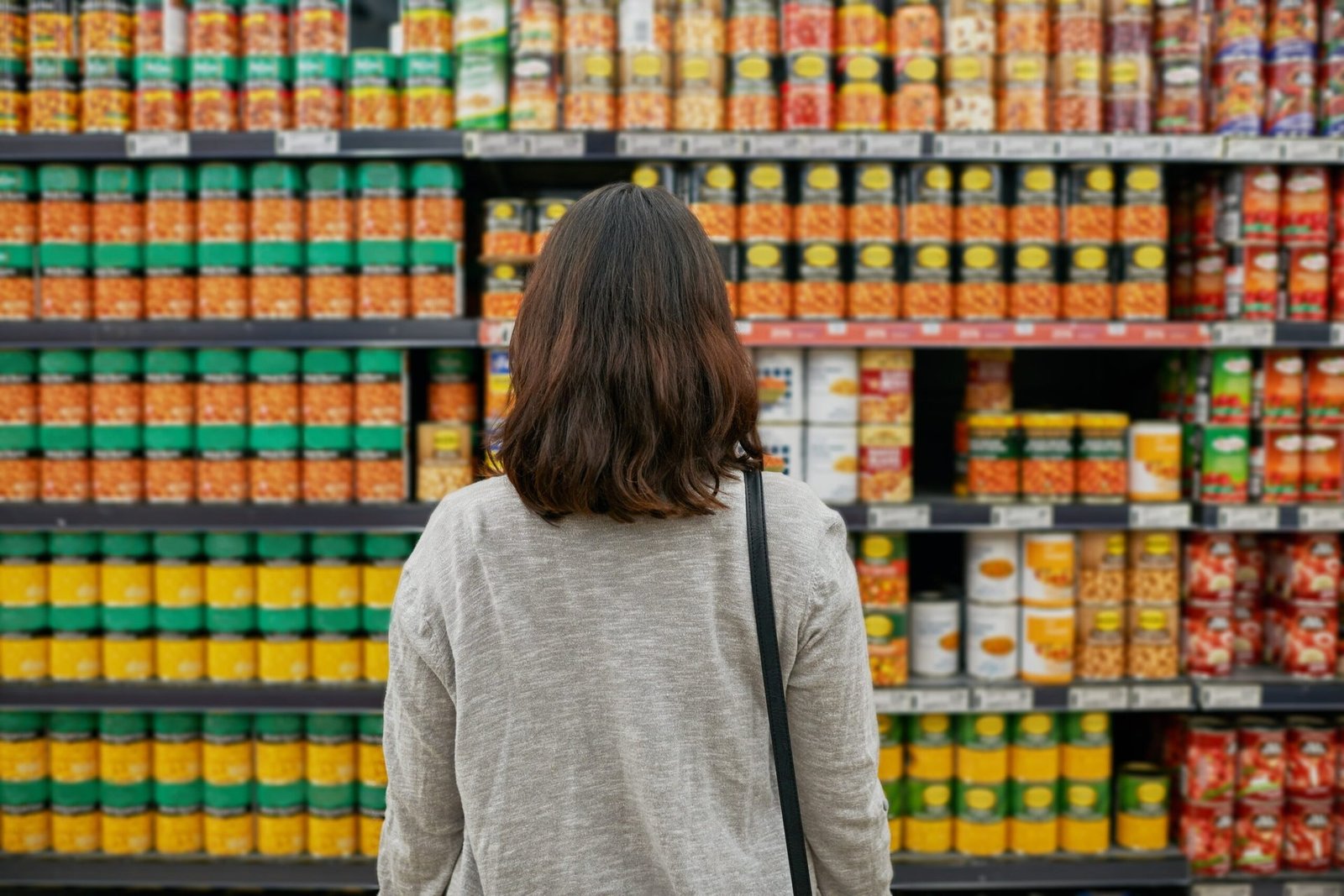
6. Canned beans, corn and tomatoes
Major food producers run the same beans through the same canneries and slap on whatever label the retailer orders. ConsumerAffairs reports that suppliers like Del Monte, Green Giant and Libby’s produce Walmart’s Great Value canned vegetables.
7. Butter
Butter is cream and sometimes salt. That’s it. The store-brand pound is churned in the same creameries as the fancy labels next to it. Unless you’re baking pastries for a competition, you won’t taste the difference, and you’ll save a couple bucks per pound.
8. Bottled water
Paying for a famous label on water might be the single dumbest move in the grocery store. It’s water. Buy the store brand or, better yet, filter your tap. Your body won’t know, and your wallet will thank you.
9. Orange juice
Consumer Reports blind-tested OJs and found that Costco’s Kirkland brand actually beat Tropicana, which landed in the “skip it” category. That’s right. The cheap stuff tasted better than the most famous name on the shelf.
10. Bleach and basic cleaners
Bleach is sodium hypochlorite at a regulated concentration. The chemistry doesn’t change based on the bottle. Store-brand bleach, ammonia, and glass cleaner deliver the same results as Clorox and Windex for roughly half the price.
11. Aluminum foil, plastic wrap and storage bags
Reynolds — the company behind the famous foil brand — is widely known to manufacture private-label foil and plastic wrap sold under grocery store labels. You’re literally buying the same product in a different box, so grab the cheap one.
12. Breakfast cereal
ConsumerAffairs found that Kroger-brand cereal is manufactured by General Mills and Kellogg’s — the same companies that make the name-brand versions. Your store-brand Toasted Oats are often just Cheerios in a cheaper box.
Want a longer list of store-brand favorites? Take a look at “10 Store-Brand Products We Buy Over and Over Again.”
5 items where the name brand actually wins
Not every generic deserves a spot in your cart. Some name brands have earned their higher price through decades of research and development, proprietary recipes, or flavor profiles that nobody has been able to copy.
- Cola: Coke and Pepsi spent decades perfecting proprietary formulas, and no store-brand substitute has ever cracked them. If you have a trained palate for either, the generic version will taste off.
- Doritos and other chips: Drexel University food science professor Jonathan Deutsch told Policygenius that certain products like Doritos are essentially “inimitable.” The seasoning blend is proprietary, and generic nacho cheese tortilla chips never quite hit the same.
- Tabasco hot sauce: The same expert flagged Tabasco as impossible to replicate. It’s aged in oak barrels for up to three years using a specific pepper strain. Generic pepper sauce isn’t even in the same universe.
- Oreos: Multiple blind taste tests have crowned Oreos the winner against every generic challenger. The chocolate cookies with cream filling are harder to copy than they look.
- Heinz ketchup: Heinz has dominated American ketchup for a reason. Its sweet-to-tangy ratio, thickness, and tomato blend are distinctive, and shoppers know it. A Newsweek and BrandSpark survey of over 32,000 Americans confirmed that ketchup is one aisle where shoppers still refuse to go generic.
The smart test you can run at home
The best way to figure out what works for your household is a blind taste test. Buy a generic and name-brand version of an item, then taste them side by side to see if anyone in your family notices a difference.
If nobody can tell, you can save by getting the generic. If they can tell, go back to the name brand — guilt-free.
Multiply those small wins across 20 or 30 grocery items and you’re looking at real money. That can add up to hundreds of dollars a year.
Going generic is just one lever. Learn these unusual but highly effective grocery-cutting tactics, and your next receipt will look lighter.
Read the full article here