





Copy link
X
Bluesky
Threads
Impact Link
Save
Saved
Read in app
subscribers. Become an Insider
and start reading now.
Have an account? .
- After living in the Boston area for 14 years, I’ve thoroughly explored the city and its suburbs.
- I always recommend tourists visit the Isabella Stewart Gardner Museum and Chinatown.
- When I see itineraries with chain-filled food halls, I suggest swapping them for local restaurants.
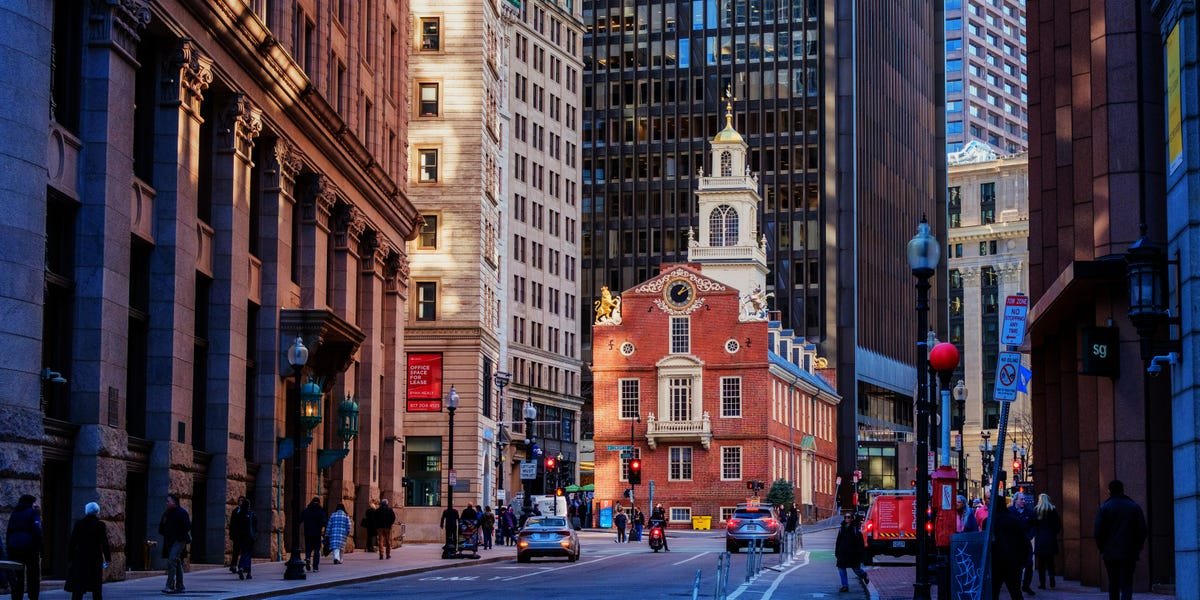
When I moved to the Boston area from Denver 14 years ago, I felt like I’d walked into the pages of a storybook.
Venturing outside of my Cambridge apartment, I was surrounded by centuries-old trees, red-brick buildings, and cobblestone streets.
As I’ve spent more time in Boston neighborhoods, I’ve found that each one has its own unique character and cultural richness. Even after more than a decade living here, I’m still amazed by the city’s world-class museums, diverse cuisines, and vibrant arts and music scenes.
When out-of-towners seeking a uniquely Boston experience ask for recommendations, these are the five things I tell them to do and the two I advise skipping.
The Isabella Stewart Gardner Museum houses a world-renowned private art collection.
Entering the Isabella Stewart Gardner Museum feels like stepping into a Venetian palace, complete with a central courtyard and authentic Italian architectural fragments.
Opened in 1903, the museum houses Isabella Stewart Gardner’s personal art collection of over 18,000 pieces. It was also the site of the biggest art heist in US history, which happened in 1990.
The museum uses a timed-entry system, and tickets sometimes sell out, particularly on weekends and holidays. If you want guaranteed entry at a specific time, I suggest booking tickets in advance.
The Isabella Stewart Gardner Museum is one of my personal favorites, but Boston is full of unbelievable museums, from the Museum of Fine Arts to the Larz Anderson Auto Museum. I always encourage visitors to seek out ones that align with their interests.
For a bit of fresh air, head to the Boston Public Garden and Boston Common.
The first public botanical garden in the US, Boston’s Public Garden has winding paths, manicured flowerbeds, and shady benches that are perfect for people-watching.
It’s a wonderful, calm spot to rest or have a picnic, and when the weather warms between April and September, I love to watch the iconic Swan Boats sail across the lagoon.
The Public Garden also connects directly to the Boston Common, making it easy to build a leisurely stroll into an itinerary.
Boston’s Chinatown neighborhood is vibrant and unique.
Dating back to the 1870s, Boston’s Chinatown is one of the oldest in the US and the only one remaining in New England.
I love to walk through the traditional paifang archway onto the main street, which is located directly downtown and packed with restaurants, bakeries, and tea shops.
Beyond the food, the neighborhood reflects immigrants’ history in Boston and the community activism that’s helped preserve it amid downtown development.
My family has a tradition of going to Chinatown for a Christmas meal, and we always find it packed. Three of my favorite restaurants to recommend are Q Restaurant, Shabu-Zen, and Jade Garden.
Shopping on Newbury Street is hard to beat.
Whether someone is a big shopper or not, I always recommend a stroll down Newbury Street. It’s a beautiful walk among the 19th-century brownstones, and the eight-block stretch is filled with luxury shops, independent boutiques, cafés, and art galleries.
Although you should always check opening hours, most shops are open between 10 a.m. and 8 p.m.
In the summer, Newbury Street is closed to traffic on certain Sundays, so the entire road is filled with pedestrians and live music.
The Boston Public Library in Copley Square is a must-visit for all tourists, bookish or not.
I’m admittedly a book nerd, but even those who aren’t will enjoy the Boston Public Library, which dates back to 1848. There are technically 25 branches throughout the city, but the central building in Copley Square is the one worth visiting.
The building is beautiful, with grand murals and fascinating exhibitions. McKim Courtyard, situated right in the middle, is a perfect place to take a peaceful moment to relax before or after you stroll through the stacks.
The best part? The library is free and open to the public.
However, I recommend picking and choosing your stops on the Freedom Trail.
Many visitors’ first stop in Boston is the Freedom Trail, a 2½ -mile walking path that connects 16 sites related to the American Revolution. Although it details important history, the path can get crowded and noisy.
Without a knowledgeable tour guide or resources to provide the necessary historical context, it can be challenging to understand each stop.
Plus, Boston can get extremely hot in the summer and freezing cold in the winter, so it might not be ideal to stand outside for such a long time.
Instead of diving into the path from start to finish, I recommend selecting some of the individual sites and focusing on them instead.
For those set on doing the whole walking path, I’d read up on the history first and tackle the Freedom Trail on the day with the best weather forecast.
Swap Faneuil Hall Marketplace’s Quincy Market for a spot with more local options.
Faneuil Hall Marketplace’s Quincy Market is a popular spot that I tell folks to avoid. I find the eateries inside to be overpriced, and the shops outside are chains that exist in other US cities.
With so much good food in Boston, don’t waste time on dishes you can get elsewhere.
Those interested in visiting a market should head to the Boston Public Market, which has a host of yummy food from local vendors, and the High Street Place Food Hall, which is perfect for groups or travelers who can’t decide on one type of food.
These market-type establishments offer local favorites such as a lobster roll, oysters on the half shell, and cannolis.
Read the full article here