






You have likely spent years dusting, storing, and carefully moving boxes of family treasures, assuming they would one day serve as a financial safety net. It is a comforting thought that the heavy oak hutch or the complete set of floral china will eventually pay for a nice vacation or boost your retirement fund.
But the secondary market has shifted dramatically. Estate sale professionals and appraisers are sounding the alarm: The great wealth transfer has become a glut of unwanted goods. Younger generations live differently. They move frequently, live in smaller spaces, and generally refuse to polish silver or hand-wash dishes.
Consequently, supply has skyrocketed while demand has plummeted. If you are hanging on to them to make a buck, or even paying for a storage unit to house them, they are taking up space for no reason and may even be costing you money. Here are five categories of “heirlooms” that experts say you should stop hoarding.
1. Heavy brown furniture
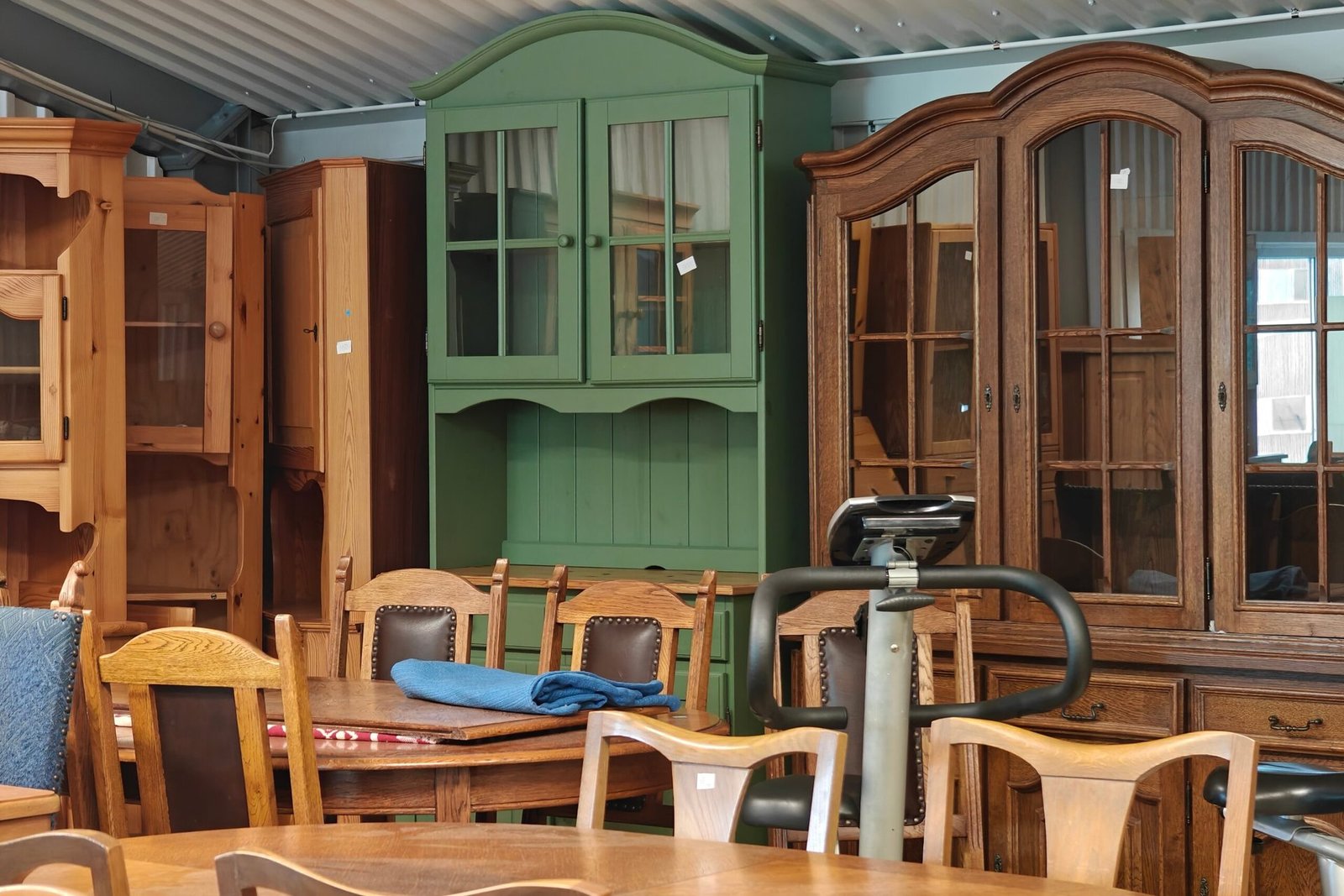
In the antiques trade, “brown furniture” is the colloquial term for the massive, dark wood furniture that anchored dining rooms and bedrooms for decades. We are talking about oversized armoires, mahogany sideboards, and sprawling china cabinets.
Thirty years ago, a quality Victorian wardrobe might have fetched thousands of dollars. Today, you might have to pay someone to haul it away. The modern buyer favors flat-pack furniture from retailers like IKEA or mid-century modern aesthetics that prioritize clean lines and lighter woods. Prices for traditional antiques have plummeted as the market is flooded with pieces from downsizing Boomers.
More importantly, modern living habits have changed. Formal dining rooms are disappearing, replaced by open-concept kitchens. There is simply no wall space in a modern condo for a 400-pound hutch. Unless the piece is by a renowned designer or from a highly specific era (like genuine mid-century Danish modern), its value is likely purely sentimental.
2. Floral china sets
For a long time, no wedding was complete without registering for a pattern of fine bone china. Families kept 12-piece place settings in protective felt pads, bringing them out only for Thanksgiving or Christmas.
The reality today is that almost no one wants a dish they cannot put in the dishwasher or microwave. Gold-rimmed plates spark in the microwave, and delicate patterns fade in high-heat wash cycles.
Estate sale liquidators often see stacks of Noritake, Haviland, and Limoges china going unsold, even when priced for less than a new set of plates from Target. While there are rare exceptions for highly sought-after patterns (like certain Tobacco Leaf designs), the vast majority of floral dinnerware has little resale value.
3. Silver-plated flatware
There is a massive financial difference between sterling silver and silver plate, yet many families conflate the two. Sterling silver is 92.5% silver and holds significant intrinsic value as a precious metal. You can melt it down for cash regardless of the condition or style.
Silver plate, however, is merely a base metal (usually copper or brass) coated with a microscopic layer of silver. It has zero melt value.
If you have a chest of silverware, look for the word Sterling or the number 925 stamped on the back. If you see hallmarks like EPNS (Electro-Plated Nickel Silver) or just the brand name without the sterling stamp, it is plated. Polishing it is a chore, and selling it is nearly impossible.
4. Mass-market collectibles
The 1970s and 80s convinced millions of consumers that buying limited-edition figurines was an investment strategy. Brands like Hummel, Precious Moments, and Norman Rockwell plates were marketed as future rarities.
Unfortunately, “limited” often meant hundreds of thousands of units. Today, the market is flooded with these figurines. What was purchased for $100 in 1985 might sit on an estate sale table today, priced at $5, and still not sell.
Experts note that collectors for these items are aging out of the market, and younger buyers generally view them as clutter. If you love them, keep them. But do not pay to store them expecting a payout. For items that do hold value, check out this list of common items you can sell for serious cash.
5. Clear glass and crystal
Like china, heavy crystal stemware and cut-glass bowls have fallen victim to the casual lifestyle. Elaborate punch bowl sets and delicate sherry glasses just do not align with how people entertain today.
Waterford crystal and similar high-end brands have retained some value, but the secondary market prices are a fraction of what they were 20 years ago. Unbranded clear pressed glass, often known as Depression glass (though the term covers a wide range), is virtually impossible to sell.
The value of letting go
Holding onto these items creates a sunk cost fallacy. You feel you cannot let them go because of what they used to be worth, or what your parents paid for them. But the market sets the price, not the memory.
If they are cluttering up your garage, or you are paying $150 a month for a storage unit to house furniture and boxes of china worth $500 total, you are probably going to be disappointed.
The smartest financial move is often to donate these items to a charity. You will get a tax deduction for the fair market value, stop paying storage fees, and free yourself from the physical and emotional weight of the past.
Instead of losing money every month on storage, how about slashing expenses on dining, travel, eyeglasses, prescriptions and more with AARP for a fraction of the cost? Join now and save hundreds. Just $15/year with auto-renewal.
Read the full article here