








While adding a child to a deed may seem straightforward, the tax implications can be complex and long-lasting. Depending on how you structure the transfer, it may affect gift taxes, capital gains taxes, and future estate planning outcomes. State laws and ownership structures can also influence the results.
A financial advisor can help you evaluate whether adding a child to a deed supports your long-term goals.
What Does It Mean to Add a Child to a Deed?
A deed is the legal document that establishes ownership of real estate. When you add a child to a deed, you are transferring a portion of ownership to them. This transfer may be equal or partial, depending on the language in the deed, but it generally gives the child legal rights to the property.
Parents may consider adding a child to a deed to simplify inheritance, avoid probate or begin transferring assets before death. While doing so doesn’t automatically change the mortgage, it does create an immediate ownership interest for that child. Which in turn affects who legally owns the property and how the IRS treats it for tax purposes, particularly when you sell or transfer the home.
Tax Implications of Adding a Child to a Deed
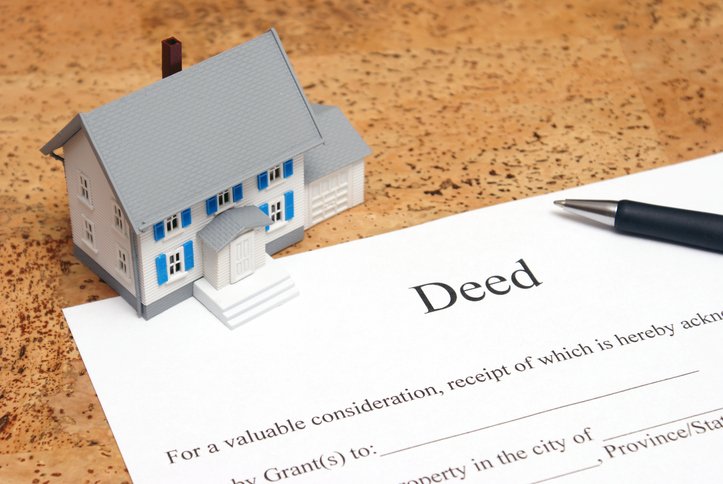
Unlike transfers between spouses, adding a child to a deed can trigger more immediate tax considerations. At the federal level, the IRS treats the transfer as a gift, even if no money changes hands. This distinction is one of the most important tax implications of adding a child to a deed.
There is typically no income tax due at the time of the transfer. However, the transaction can affect gift tax reporting, capital gains taxes down the road and estate planning outcomes.
It is also important to distinguish between owing tax and having a reporting obligation. Even if you or your child owe no tax, you still need to report certain transfers to the IRS to properly document the transaction.
Gift Tax Considerations
In many cases, the IRS considers adding a child to a deed as a gift for federal gift tax purposes. The value of the gift is generally based on the portion of the property interest transferred to the child. For example, the IRS may treat adding a child as a 50% owner as gifting half of the home’s value.
Annual gift tax exclusions may reduce the amount of the gift you must report, but larger transfers often exceed those limits. When that happens, the gift typically reduces the parent’s lifetime gift and estate tax exemption rather than triggering an immediate tax. For example, for 2026, the federal limit for the lifetime estate and gift tax exemption is $15 million per person (or $30 million for married couples) 1 .
Even when no one owes any gift tax, filing the appropriate gift tax return helps establish the transaction’s value and preserve exemption amounts. Proper documentation can help prevent confusion later, especially if the IRS reviews the transfer.
Capital Gains Tax Implications
One of the most significant long-term tax implications of adding a child to a deed involves capital gains taxes. The IRS calculates capital gains based on the difference between the sale price of a property and its cost basis. Adding a child to a deed during your lifetime can affect those calculations.
When you add a child to the deed as a gift, they generally receive a carryover basis. This means the child’s portion of the home uses the parent’s original cost basis rather than the property’s current market value. If they sell the home later, this can result in higher taxable gains.
In contrast, if a child inherits a home at death, the property typically receives a step-up in basis to its fair market value at that time. This difference makes capital gains one of the most important tax implications of adding a child to a deed, particularly for highly appreciated homes.
Estate and Inheritance Tax Considerations
Adding a child to a deed can also affect estate planning outcomes. While joint ownership may allow property to pass automatically to the child at death, it may not always produce the most favorable tax result. In some cases, it can increase total taxes compared to inheritance.
When a child is already listed on the deed, only the parent’s remaining share may be included in the estate. However, the child’s share may not receive a full step-up in basis. This partial step-up can increase future capital gains taxes if someone sells the home.
Estate tax exposure depends on the total value of the estate and applicable exemptions. While many estates fall below federal thresholds, state estate or inheritance taxes may still apply.
Tips Before Adding a Child to a Deed
Before adding a child to a deed, homeowners should carefully evaluate their estate planning objectives. In many cases, alternatives such as wills, certain types of trusts, or transfer-on-death deeds may achieve similar goals with fewer tax consequences. These options often preserve the step-up in basis at death.
Coordinating deed changes with an overall estate plan is also important. Beneficiary designations, wills and trusts should align with property ownership to avoid conflicting outcomes. A lack of coordination can create administrative and tax complications later.
It is also important to consider non-tax consequences. Adding a child to a deed may expose the property to the child’s creditors, lawsuits, or divorce settlements. Once added, removing a child from a deed generally requires their consent or legal action.
Common Ways to Add a Child to a Deed
One common method for adding a child to a deed is a quitclaim deed. A quitclaim deed transfers whatever ownership interest the parent has without guaranteeing clear title. This method is often used within families because it is simple and inexpensive.
Warranty deeds are another option, though they are less commonly used for family transfers. A warranty deed provides assurances about title and may require additional legal steps. In some cases, the deed is also updated to reflect a specific ownership structure.
Regardless of the method used, the way the transfer is executed can influence the tax implications of adding a child to a deed. Ensuring accuracy and proper recording is essential.
Bottom Line

The tax implications of adding a child to a deed can be significant, even if no immediate tax is owed. Gift taxes, capital gains taxes and estate planning outcomes may all be affected by how and when ownership is transferred. While adding a child to a deed may seem like a convenient estate planning step, it can create unintended long-term tax consequences. Reviewing ownership options, understanding future implications, and coordinating with a broader financial plan can help avoid surprises.
Tax Planning Tips
- Working with a financial advisor before making changes to a deed can help provide clarity to make decisions that line up with your long-term financial goals. Finding a financial advisor doesn’t have to be hard. SmartAsset’s free tool matches you with vetted financial advisors who serve your area, and you can have a free introductory call with your advisor matches to decide which one you feel is right for you. If you’re ready to find an advisor who can help you achieve your financial goals, get started now.
- If you want to know how much your next tax refund or balance could be, SmartAsset’s tax return calculator can help you get an estimate.
Photo credit: ©iStock.com/Wasan Tita, ©iStock.com/matt_benoit, ©iStock.com/mapo
Read the full article here