








Filing taxes can feel overwhelming, but one of the most important decisions you’ll make is also one of the simplest: whether to take the standard deduction. For single filers, this deduction offers a powerful way to lower your taxable income without diving into piles of receipts or complicated calculations. Knowing how the standard deduction for single filers works, and when it makes sense to use it, can help you keep more of your money while keeping tax season stress to a minimum.
A financial advisor can help you decide whether taking the standard deduction is the best choice for your situation and how it fits into your overall tax strategy.
What Is the Standard Deduction?
The standard deduction is a fixed dollar amount the IRS lets taxpayers subtract from their taxable income. By lowering taxable income, it reduces the portion of earnings subject to federal income tax. Unlike itemized deductions, which require tracking receipts and calculating allowable expenses, the standard deduction is a flat amount that applies automatically if you choose it.
Each year, the IRS sets the standard deduction based on filing status, and these amounts are adjusted for inflation. For example, the standard deduction for a single filer is different than for those who are married filing jointly or heads of household. If you take the standard deduction, you can’t also itemize. However, the simplicity of the calculation makes it appealing to many taxpayers.
The standard deduction often benefits individuals without large deductible expenses, such as mortgage interest or high medical costs, that would otherwise justify itemizing. For single filers in particular, it can streamline the filing process and still provide meaningful tax savings. It’s also an attractive option for younger taxpayers, renters and others whose financial situations don’t produce significant itemizable deductions.
Current Standard Deduction Amounts for Singles in 2025
Here’s a breakdown of the 2025 standard deduction amounts (for use on tax returns filed in 2026) and how they apply to single filers:
| Filing Status | Base Standard Deduction | Notes / Adjustments* |
|---|---|---|
| Single (or Married Filing Separately) | $15,750 | Includes inflation adjustment + new enhancements |
| Head of Household | $23,625 | Shows the higher income limit for this filing status |
| Married Filing Jointly / Surviving Spouse | $31,500 | Shared deduction for couples or qualifying widow/er |
For someone filing as single in 2025, the standard deduction allows you to subtract $15,750 from your adjusted gross income (AGI) before computing taxable income.
Does the Standard Deduction Amount Change Based on Age?
The standard deduction increases once you reach age 65, giving older taxpayers an added tax benefit. For 2025, single filers who are 65 or older can claim an extra $2,000 in addition to the base deduction, and those who qualify for the senior bonus deduction may receive up to an additional $6,000, depending on income. This higher deduction helps offset some of the expenses that often come with aging, such as medical or caregiving costs.
The amount of the increase depends on your filing status, but single filers and heads of household receive a flat additional deduction once they turn 65. The extra deduction is adjusted annually for inflation and is separate from the standard deduction, meaning it is automatically applied when you check the correct box on your tax return.
These higher deductions can influence key financial decisions in retirement. If you are nearing age 65, the added deduction may affect the timing of retirement, when to claim Social Security, or when to begin withdrawals from retirement accounts. Factoring it into your plan can help provide a more accurate estimate of your after-tax income.
When to Take the Standard Deduction
The standard deduction is often the best choice when your itemizable expenses are relatively low. For single filers, this typically means you don’t have significant mortgage interest, medical bills or charitable contributions that would push your deductions above the standard amount. Taking the flat deduction saves time and reduces paperwork while still providing a meaningful reduction in taxable income.
The decision primarily hinges upon whether itemized deductions exceed the standard deduction for your filing status. If they don’t, sticking with the standard deduction almost always makes sense. Even if it’s close, the ease of claiming a fixed amount can outweigh the extra effort of tracking expenses and receipts throughout the year.
There are times when itemizing may result in lower taxes, such as if you own a home with high mortgage interest, live in a state with high income or property taxes or regularly make large charitable donations. In those cases, the total of your itemized deductions may exceed the standard deduction. This can make it worth the additional complexity.
Ultimately, choosing between the standard deduction and itemizing comes down to a comparison of numbers. Most tax software and professional preparers will calculate both options for you. For many single filers, however, the standard deduction is the clear, stress-free choice.
Bottom Line
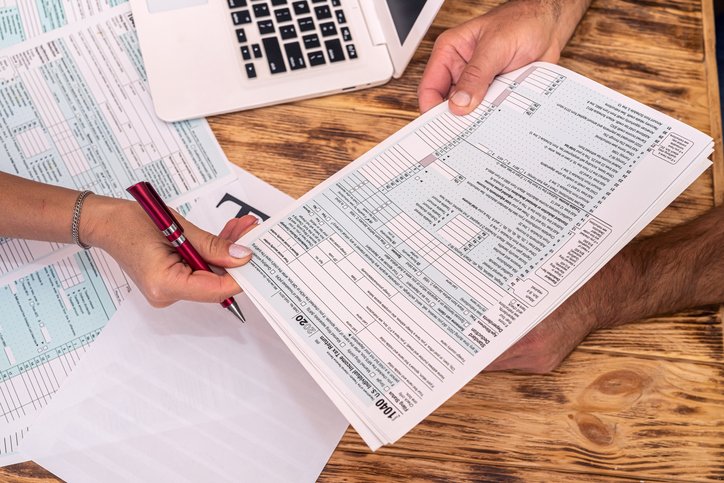
For single filers, the standard deduction is a straightforward way to reduce taxable income, often providing greater benefits than itemizing. The standard deduction can significantly lower your tax bill without the need for complex record keeping. While itemizing may still be worthwhile for taxpayers with substantial deductible expenses, most singles will find the standard deduction is the most efficient and cost-effective path. Understanding when and how to use it is an essential step in smart tax planning.
Tax Planning Tips
- If your finances are complicated or you’re uncertain about your tax bill, a financial advisor can help estimate what you owe and manage your liability. Finding a financial advisor doesn’t have to be hard. SmartAsset’s free tool matches you with vetted financial advisors who serve your area, and you can have a free introductory call with your advisor matches to decide which one you feel is right for you. If you’re ready to find an advisor who can help you achieve your financial goals, get started now.
- If you want to know how much your next tax refund or balance could be, SmartAsset’s tax return calculator can help you get an estimate.
Photo credit: ©iStock.com/BartekSzewczyk, ©iStock.com/alfexe
Read the full article here