


Bumble’s buzz is sounding familiar.
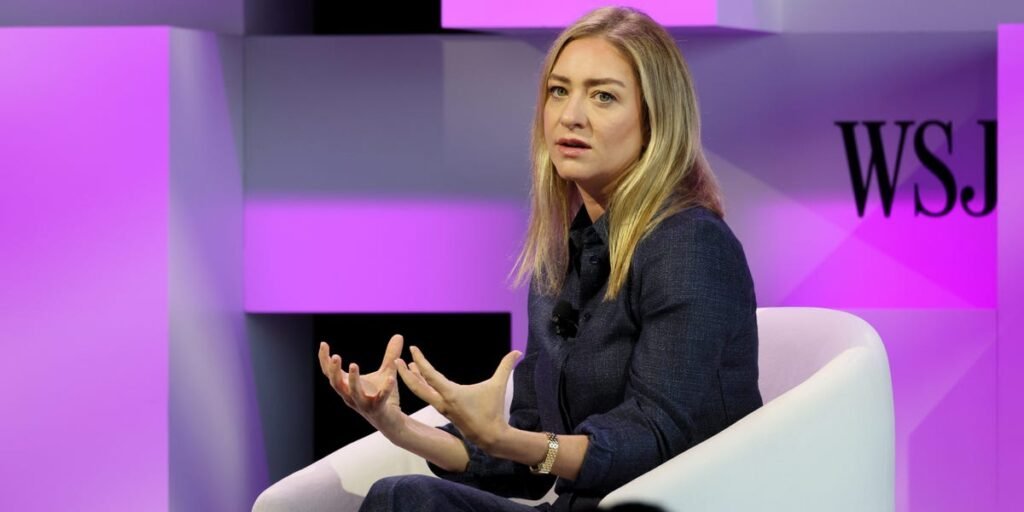
When Whitney Wolfe Herd left Tinder to found Bumble, she positioned the new rival as Tinder’s antithesis.
“I always felt that for me as a woman, I always had to wait around,” she told The New York Times in 2017. So, women would have to message first, and they’d have 24 hours to do it.
The app enjoyed early success in the mid-2010s and again during the COVID-19 pandemic. Then came the industry’s tightening, the stock’s sinking, and a widespread feeling of online dating malaise. While competitors like Hinge rose in the ranks, Bumble changed from a progressive darling to a stodgy also-ran.
On Tuesday, Bumble…