






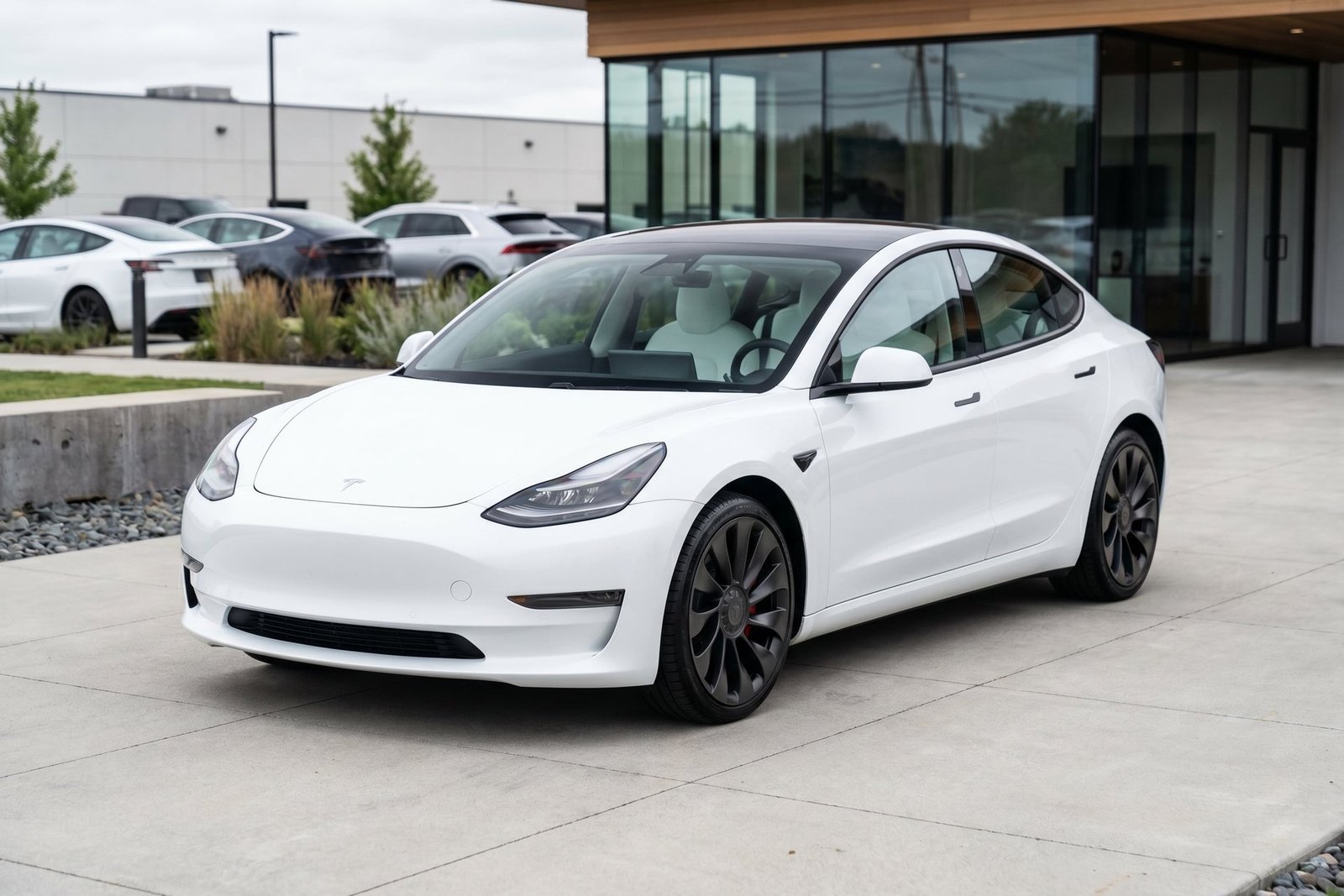


Tesla buyers paid $1,087 less than other electric car shoppers, according to the latest data released by Cox Automotive’s Kelley Blue Book.
The average price of a new Tesla EV in the first three months of 2026 was $53,421, according to Kelley Blue Book. By comparison, the average price of all new electric vehicles in the same period was $54,508, KBB said.
The group said Tesla’s average prices in March were 2.6% lower than its March 2025 average transaction amount, and 1.2% lower than February’s average Tesla price.
“On our vehicle side, it’s always, I think, worth noting that a Tesla car is (an) incredible value for money and they’re all autonomy-ready depending on what part of the world you’re in,” Tesla CEO Elon Musk told investors as his company was reporting first-quarter earnings on April 22.
KBB noted “incentive spending at Tesla also increased in March.” Tesla’s average incentive was about $6,570 — or 12.3% of its overall average transaction price. The average incentive for other electric cars in March was $7,958, or 14.6% of the overall average price.
Why Are Tesla’s EVs Cheaper Than Other Electric Cars?
Tesla sells almost half the EVs purchased in the U.S. every year. The company sold 589,160 of the 1,275,714 electric cars sold in the U.S. in 2025 — about 46% of the market, according to Cox Automotive.
Because of that volume, Tesla can afford to sell at lower prices than most competitors, said Stephanie Valdez Streaty, director of industry insights at Cox Automotive.
“Selling roughly 600,000 vehicles a year in the U.S. gave Tesla the volume to vertically integrate — building its own batteries, motors, software, and electronics — which removes supplier margins from the most expensive parts of the vehicle,” Valdez Streaty said. “They’re now controlling their own battery supply chain from raw materials to finished cell.”
Valdez Streaty added that Tesla’s scale allows it to have “layered cost advantages” that benefit consumers at the sticker price.
“Competitors are fighting higher manufacturing costs and a retail cost structure that Tesla simply doesn’t have,” she said. “Tesla has reported all-time lows in cost per vehicle in recent quarters, with its own filings crediting manufacturing efficiencies and vertical integration as the primary drivers. No other automaker is on that curve.”
Tesla Sees Cheaper Prices as a Competitive Edge
Tesla has made it clear it sees its lower prices as a competitive advantage. The company’s CFO Vaibhav Taneja said in an April 22 investor call that Tesla’s value proposition is helping it capitalize on the surge in interest in electric cars since gas prices spiked at the start of the U.S.-Iran war.
“On the order backlog front, we ended the quarter with the highest Q1 order backlog in over 2 years,” Taneja said. “Whilst the recent increase in gas prices has had a positive impact on the order rate, this improvement started before the uptrend in gas prices.”
Tesla Has 50,000 Unsold EVs — Deals May Be Available
Tesla produced 50,363 more electric cars than it sold in the first three months of 2026, even with a slight uptick in EV interest amid rising gas prices.
Tesla reported production of 408,386 cars globally in Q1 2026, but sold only 358,023 vehicles in that period. The gap is significantly higher than the 16,131-vehicle deficit reported in Q4 2025.
Part of the pressure: EV sales fell in 2025 after President Donald Trump and Congress eliminated the popular $7,500 federal tax credit for EV buyers. EV sales accounted for 9.6% of U.S. auto sales in 2025, down from 10.2% in 2024, according to the Alliance for Automotive Innovation.
Still, Tesla remains the nation’s biggest EV seller. The company’s unsold inventory from Q1 2026 alone was higher than the total number of vehicles sold in all of 2025 by other purely EV makers such as Rivian and Lucid.
Read the full article here