








Has tipping gotten out of hand?
In a new survey by Popmenu, more than 3 out of 4 people — or 78% — said they believed that tipping practices have become ridiculous. Forty-four percent say they’re tipping less this year than last year.
Consumers aren’t shy about expressing their tip fatigue online and on social media sites.
“I can’t enjoy a weekend without at least 5 prompts to tip for doing absolutely nothing,” one user on Reddit said about tipping fatigue. “The anxiety that comes from this false pressure to tip a percentage on every bill is ludicrous.”
“What have we gotten to that every place we go to is requesting a tip?” a user on TikTok asked, while venting that someone taking her order was requesting a gratuity.
“There wasn’t much service that was happening. It was just basic,” she said.
Tip Requests Are Everywhere
People feel that “tipping has become maybe ubiquitous and that now we’re being asked to tip for everything all the time, even for things that we didn’t feel were customary or normal,” Brendan Sweeney, CEO of Popmenu, told USA TODAY.
Popmenu, which is a restaurant tech company, has been surveying customers about tipping for more than five years, Sweeney said.
Tipping really increased during the COVID-19 lockdown era and afterward, when the hospitality industry was hurting and consumers started leaving tips for take-out or tipping more “as a warm and fuzzy” feeling, Sweeney said.
“But then I think we got to a point where it was like, wait — is this still an emergency? Is it still we’re helping people? At the same time, people are really feeling the pinch of inflation,” he said.
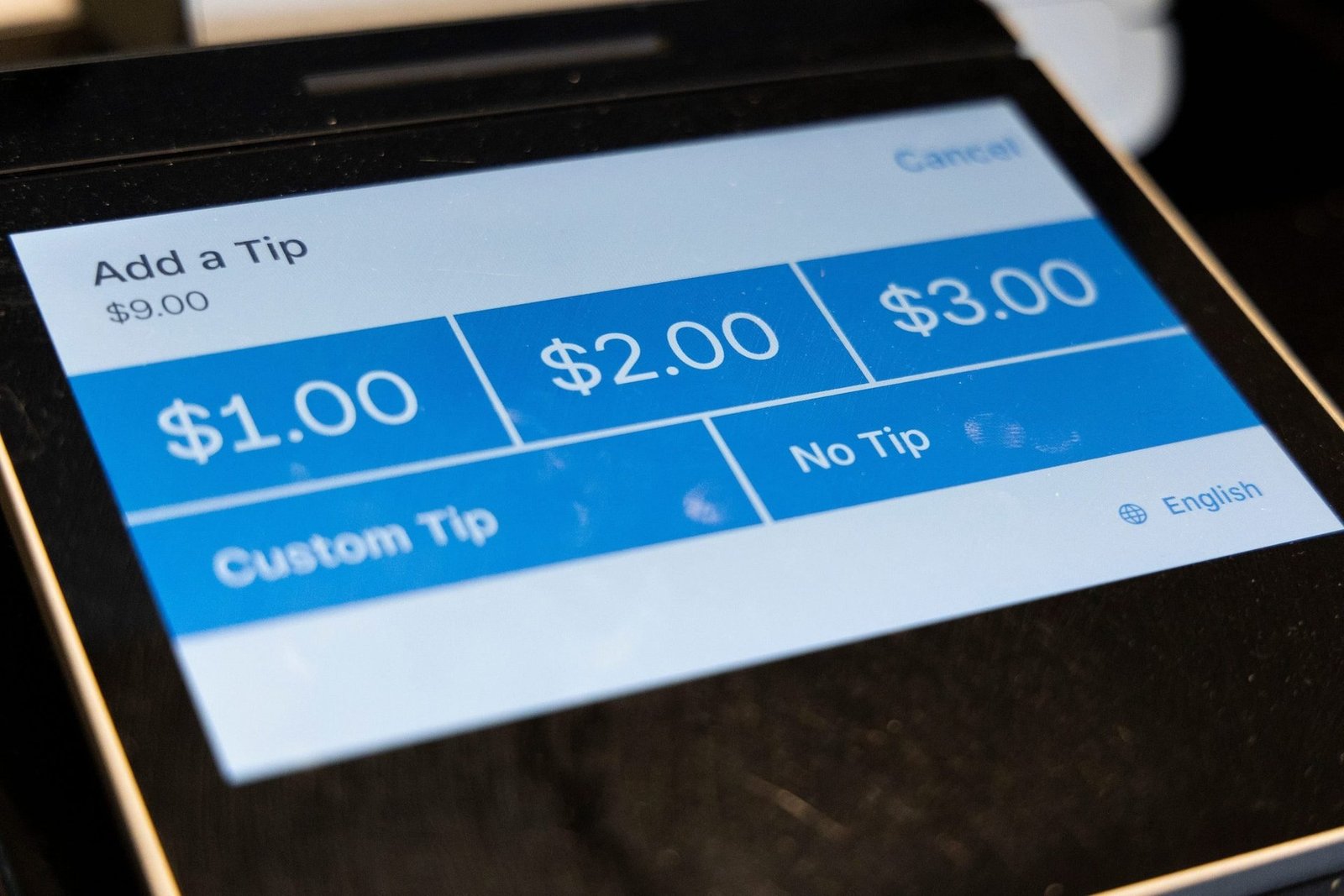
And more digital register systems at businesses have the tipping screen built into the software, Sweeney said.
Still, Sweeney said guilt tipping — or feeling guilted into leaving a tip to avoid the awkwardness — is a thing.
When a digital screen asks for a tip, 59% of the respondents said they feel compelled to leave one. But that’s down from 66% in September 2025. And the share of people who say they tip on a weekly basis at places where it isn’t warranted also fell from 44% to 39%. Over the last 12 months, consumers estimate they spent about $130 on tips they didn’t think were necessary, down from $150 when the same question was posed in September 2025.
Sixty-six percent of respondents said they even tipped a worker who provided poor service. But 42% of people said they were becoming comfortable skipping gratuities for certain services.
How Much Are People Tipping?
The percentage of consumers tipping 20% or higher for restaurant servers and delivery drivers fell over the last six months:
- 41% of consumers tip restaurant servers 20% or more, down from 45% in September 2025. Twenty-nine percent of people said they tip servers 15%, which is similar to September 2025.
- 15% tip restaurant delivery drivers 20% or higher, down from 23% in September 2025.
- 27% tip delivery drivers 15%, which is similar to September 2025.
Tips at places other than restaurants also changed:
- 39% of consumers tip at coffee shops, down from 46% in September 2025.
- 27% tip at food trucks, down from 32% in September 2025.
- 22% tip at fast food restaurants, down from 27% in September 2025.
- Separately, Popmenu tracked tipping on online orders through its platform. Pickup orders with a digital tip declined from 78% in 2022 to 62% in 2026.
Three in four consumers (74%) say they have noticed restaurants raising the minimum suggested tip on digital screens. Here’s what people said they did when they saw that screen:
- 36% typically leave a custom tip
- 17% choose the lowest suggested tip
- 32% choose the mid-tier tip
- 7% choose the highest tip
- 9% don’t typically tip
Consumers in the survey also said they were willing to pay higher prices instead of tipping. If given a choice, 56% of consumers are willing to pay more for meals and beverages to provide higher wages for workers and eliminate gratuities.
Betty Lin-Fisher is a consumer reporter for USA TODAY.
Read the full article here