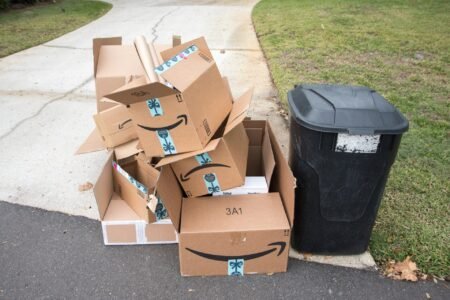







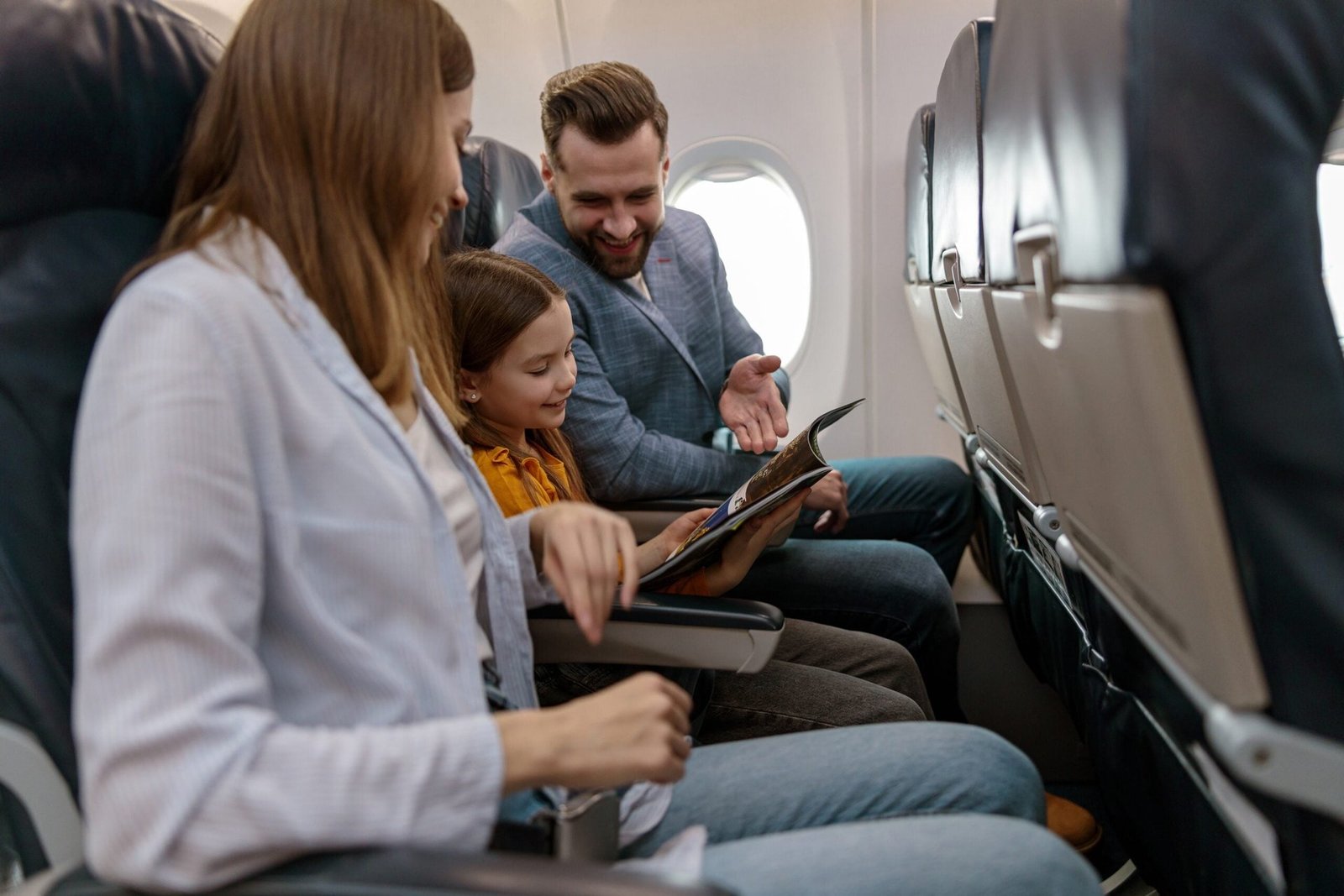


That $199 fare you spotted online? By the time you pick a seat, check a bag and board the plane, you could be looking at $400 or more.
And it’s getting worse. According to NerdWallet’s latest Travel Price Index, airfares jumped 14.9% over the past year. The biggest culprit? The Iran conflict has sent jet fuel prices through the roof, and airlines aren’t eating that cost. You are.
But here’s the thing most travelers don’t realize: The ticket price isn’t where airlines make their real money anymore.
IdeaWorksCompany projects airlines raked in a record $157 billion in ancillary fees in 2025 — that’s revenue from baggage charges, seat selection, priority boarding and everything else that used to be free. That figure has more than doubled since 2016.
Translation: The base fare is bait. The extras are where they get you.
And the federal government? Don’t count on them for help. A fee transparency rule that would’ve forced airlines to show all fees upfront was struck down by the Fifth Circuit Court of Appeals in early 2026. Airlines successfully argued it was regulatory overreach.
So you’re on your own. But you’re not powerless.
I’ve been covering this stuff for over 30 years, and these are the moves that’ll save you real money.
1. Stop ignoring Google Flights — it’s the most powerful free tool you have
If you’re still booking flights by going straight to an airline’s website, you’re probably overpaying. Google Flights lets you compare fares across carriers instantly, toggle between dates and even explore a map to find the cheapest destination from your airport.
The “Cheapest” tab, added in late 2024, surfaces lower fares you’d miss otherwise — sometimes through alternate airports or third-party booking sites.
Use the “Price Tracking” feature too. It’ll email you when fares drop on routes you care about.
2. Be flexible or be broke
The difference between flying on a Tuesday and flying on a Friday can be $100 or more — on the same route, same airline, same seat. Midweek flights are almost always cheaper because leisure travelers pile onto weekends.
If you can swing it, shift your departure by a day or two. Google Flights’ date grid makes this dead simple.
And consider flying during shoulder season — that sweet spot between peak and off-peak when prices drop and crowds thin out. You’ll find more ways to slash travel costs without sacrificing your trip.
3. Be a strategic packer
Southwest just raised its first-checked-bag fee to $45, up from $35, effective for tickets booked on or after April 9, 2026.
That’s a 28% increase in less than a year since the airline killed its legendary “bags fly free” policy.
United, JetBlue and Delta all hiked bag fees too. JetBlue even introduced surge pricing on luggage — meaning your bag costs more on high-demand travel days. A first bag on JetBlue can run as high as $59.
The fix? Travel with a carry-on and a personal item. Period. Invest in a compact bag that fits under the seat. That single decision can save you $90 to $120 round-trip per person.
If you absolutely must check a bag, always prepay online. United charges $5 more per bag if you don’t pay at least 24 hours before departure.
4. Use an airline credit card — but only if you pay it off
I normally tell people to avoid debt like the plague. But airline-branded credit cards can wipe out bag fees entirely if you’re disciplined about paying the balance every month.
Southwest’s co-branded card, for example, still gets you a free first checked bag for yourself and up to eight companions on the same reservation. Delta, United and American offer similar perks.
That alone can save a family of four $180 or more per round trip.
Just don’t carry a balance. The interest will eat your savings alive. There are valuable travel credit card perks most people completely overlook — free checked bags are just the beginning.
For more smart ways frugal travelers cut costs, we’ve got you covered.
5. Set fare alerts and let deals come to you
Stop refreshing Expedia at 2 a.m. and let technology do the work. Going (formerly Scott’s Cheap Flights) sends curated deals to your inbox based on your home airports. The free tier covers five airports. The premium tier, at $49 a year, opens up error fares and deeper discounts.
AirfareWatchdog is another solid option for route-specific price alerts.
Here’s the mindset shift: Instead of picking a destination and then hunting for a deal, flip it. Find the deal first and figure out why you want to go there. Sounds backward, but it works.
6. Don’t pay for a seat you don’t need
Airlines want you to believe you have to buy a seat assignment. You don’t. Under federal rules, you’re guaranteed a seat if you have a ticket. You just might not pick it.
If you don’t care whether you’re in 14C or 27E, skip the seat selection fee entirely. The airline will assign you one at check-in for free. For short domestic flights, that’s $15 to $50 back in your pocket per person.
Where this gets tricky is families. Airlines routinely charge parents to sit with their kids. The Department of Transportation has said it plans to ban that practice, but so far it hasn’t happened.
In the meantime, check in as early as possible and talk to the gate agent — most will help seat families together.
7. Know the 24-hour rule
This is one of the most underused protections in air travel. If you book a flight at least seven days before departure, you have 24 hours to cancel or change it with no penalty. That’s a federal requirement for all U.S. airlines.
See a great fare? Book it. If something better comes along or your plans change, cancel within 24 hours and you’ll get a full refund.
Think of it as a risk-free hold on a good price.
8. Watch out for budget carrier traps
Frontier, Spirit and Allegiant may advertise $39 fares, but the add-on fees can double or triple your cost. Frontier’s carry-on bag can run $30 to $65. Spirit charges up to $45 for airport check-in.
And if you forget to pay for your bag online, you’ll pay nearly double at the gate. A Senate investigation found that Frontier actually paid gate agents incentives to catch passengers violating bag policies. That’s not customer service. That’s a toll booth.
Before booking a budget carrier, add up the total cost — base fare plus bags, seats and any other fees. Then compare it to what a full-service airline charges.
You might be surprised how often Delta or American comes out cheaper once everything’s included. If you want a deeper dive, here’s more on budget airlines and their hidden fees.
The bottom line
Airlines have turned the act of flying into a fee obstacle course. They advertise low fares to get you in the door, then charge for everything that used to be included.
Your best defense is awareness. Know the fees before you book. Use free tools like Google Flights. Pack light. Pay for bags online, not at the airport. And if you fly often enough, a credit card with bag perks can pay for itself on the first trip.
The airlines are playing a game. You should play it better.
Read the full article here