






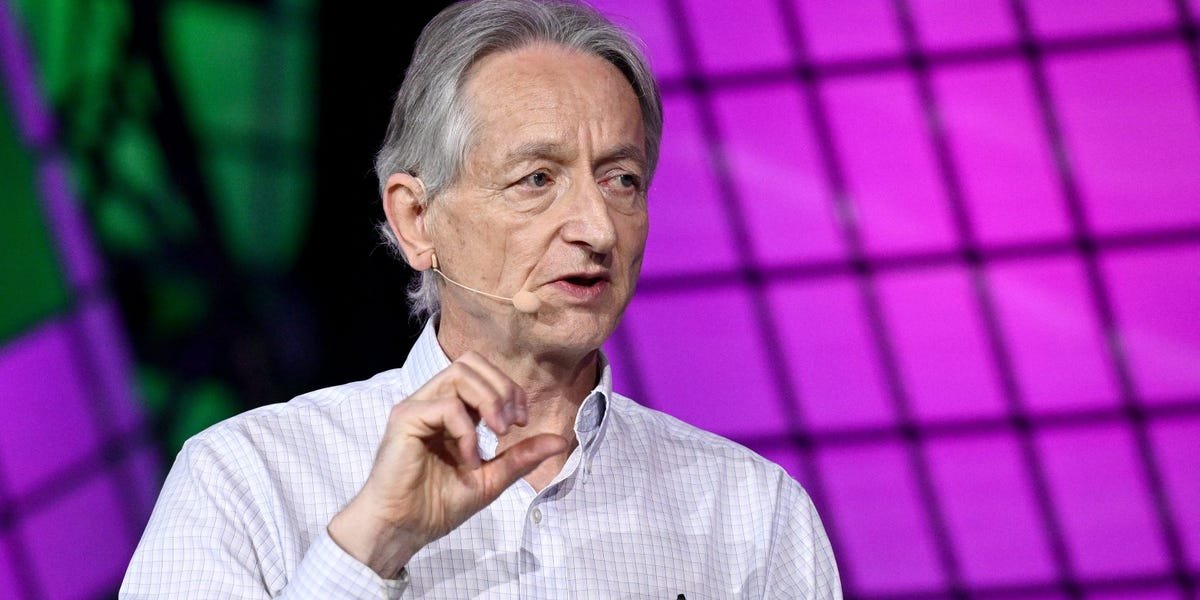


US lawmakers may have only about a year to put meaningful guardrails around artificial intelligence before AI advances to the point where it could become “out of control,” warned the “Godfather of AI.”
Speaking after a briefing with members of Congress on Wednesday, Geoffrey Hinton said the window for regulating advanced AI has narrowed dramatically as the technology develops faster than many researchers expected.
“Maybe a year, but not much more than a year,” Hinton said when asked how long policymakers have to act.
He added that expectations for when superintelligent AI could emerge have accelerated dramatically, with estimates shrinking from decades to just a few years.
“AI has now reached the point where AI is designing better AI,” Hinton said.
“It is going to get out of control unless we do something. We need to slow down,” he said.
On Wednesday, Hinton also pointed to the recent Hugging Face incident, in which a rogue AI agent attacked the open-source AI platform, and called it “a little Chernobyl” that underscored how quickly frontier AI systems are becoming harder to control.
“We shouldn’t be developing stuff that might wipe us out,” Hinton said, arguing researchers first need to know how to keep advanced AI under control.
The Nobel Prize-winning computer scientist has become increasingly vocal about the risks posed by advanced AI. In an interview with the BBC last week, Hinton said it was “not unreasonable” to believe there is roughly a 10% chance AI could cause human extinction within the next decade.
Hinton’s latest warning came days after Anthropic CEO Dario Amodei published an essay urging the AI industry to “pace the frontier,” arguing AI capabilities are advancing faster than safety measures.
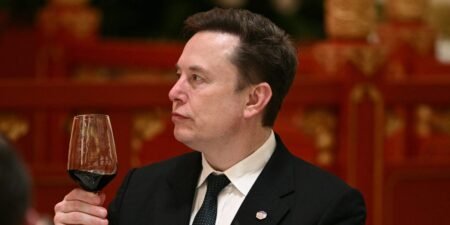
OpenAI CEO Sam Altman, Google DeepMind CEO Demis Hassabis, and Elon Musk have backed key parts of the proposal, an unusual show of agreement among rival AI leaders.
The calls have clashed with the Trump administration’s approach. President Donald Trump rejected calls to slow AI development, arguing the US should maintain its lead over rivals such as China in the global AI race.
Meanwhile, lawmakers from both parties are weighing competing proposals for new AI safeguards.
Read the full article here