









I write before my kids wake up and after they go to sleep. That’s the arrangement. It means I’m free during summer, winter, and spring breaks, which is the whole point of building a lifestyle business in the first place. I gave up a handsome paycheck for the ability to be the one at pickup.
I’d probably be richer if I had kept grinding in finance after the kids were born. I’d also be more tired, more stressed, less healthy, and less happy. Their first five years flew by. Now I’m trying to bank as much time as I can before they turn 12, the age when kids decide their parents are no longer the main attraction.
The only reason I could make that trade is that I spent 18 years, from 1999 until our first was born in 2017, saving aggressively enough to generate passive income that covers our basic living expenses. Without it I’d have gone straight back to work and handed most of that paycheck to a daycare.
We have built cities where raising children is expensive, complicated, and occasionally treated as suspicious. Then we act surprised when people stop having them.
What Childcare Actually Costs
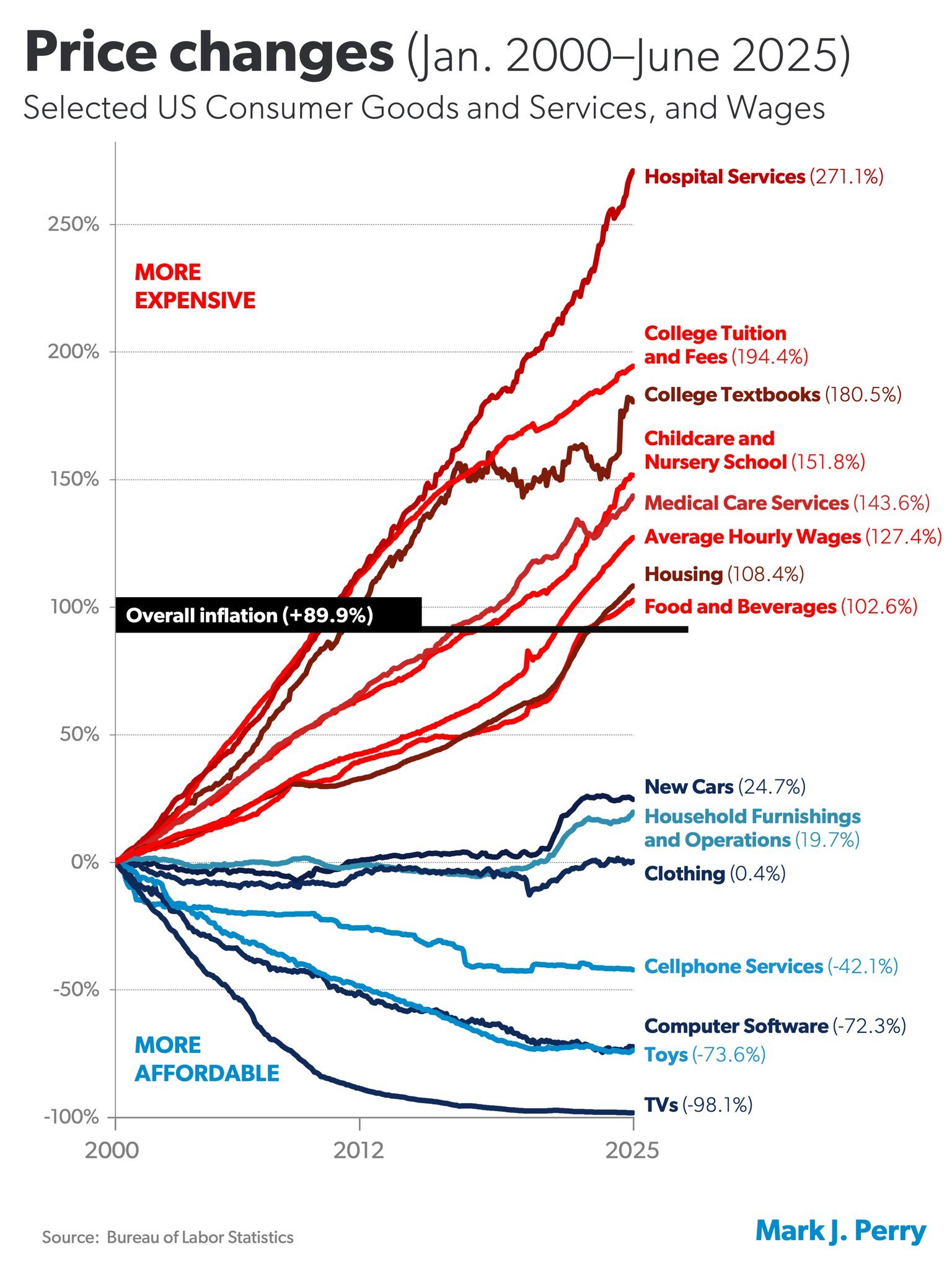
Start with the national number. According to Child Care Aware of America, the average annual price of childcare is about $13,128. Center-based infant care runs roughly $1,230 a month, or close to $14,760 a year, because infants require staffing ratios of one caregiver to three or four babies.
Costs have climbed 5% to 8% since 2024 and about 23% since 2021.
The federal government says childcare is “affordable” at 7% of household income. Almost nowhere in America meets that standard. National medians put it closer to 19% for a single child.
Here’s the number that should end the debate: in 85 of the 100 largest U.S. metro areas, childcare for two children costs more than the median rent.
The spread by state is enormous. Mississippi averages under $7,000 a year for infant care. Washington D.C. tops $28,000. Massachusetts and California land between $2,500 and $3,200 a month.
Then There’s San Francisco Childcare Costs
The average cost of childcare in San Francisco is about $36,000 a year for one child. The range is anywhere between $1,900 – $4,000 a month depending on the child’s age and type of program.
Thirty-six thousand dollars, after tax, per kid, before you’ve paid rent, before groceries, before anything. Two kids under five and you’re spending $72,000 a year on the privilege of going to work.
At a 28% effective tax rate, you need to earn roughly $100,000 gross just to cover childcare for two. That’s not a lifestyle expense. That’s a second mortgage that doesn’t build equity.
San Francisco Free Childcare: Who Qualifies In 2026
Mayor Lurie put it plainly in his State of the City address: a family of four in San Francisco needs to clear over $160,000 a year just to meet basic needs. Not comfort. Basics.
Which is why the study saying a family of four needs $408,000 to live comfortably here got mocked so hard, and why the people mocking it don’t have two kids in daycare in San Francisco.
The New Subsidy, And Who Pays For It
In January, San Francisco announced the Family Opportunity Agenda, and it’s the most ambitious thing the city has done for families in a long time.
Here’s how it works. A family of four earning less than $230,000, which is 150% of area median income, qualifies for free childcare. Families earning up to $310,000, or 200% of AMI, get a 50% subsidy. It covers kids under five across more than 500 city-funded providers. The 50% tier started in July.
The city is funding it with over $550 million, largely an unspent reserve from 2018’s Proposition C, a commercial real estate tax. So the money comes from office buildings, in a city where office buildings have had a rough decade. The program runs through 2032, at which point somebody has to find new money or the whole thing sunsets.
Although we don’t benefit since our daughter is entering first grade and our son is entering fourth grade, I’m still in favor of it. Families desperately need financial relief. It’s hard enough raising a child. It’s even harder when there are financial strains involved. I lived paycheck to paycheck for six months after buying our house in 2023, and it was a stressful time.
But look closely at the threshold, because it’s the most revealing number in this entire post. San Francisco defines a family earning $230,000 a year as needing free childcare. In most of America, $230,000 puts you comfortably in the top 5% of households. Here, the city has determined you can’t afford daycare.
That’s not generous policymaking. That’s a confession about the cost of living. Interestingly, it also jives well with what schools like Yale and MIT deem as low income. At these top private universities, families who make less than $200,000 a year qualify for 100% free tuition.
San Francisco Has The Fewest Kids Of Any Major City
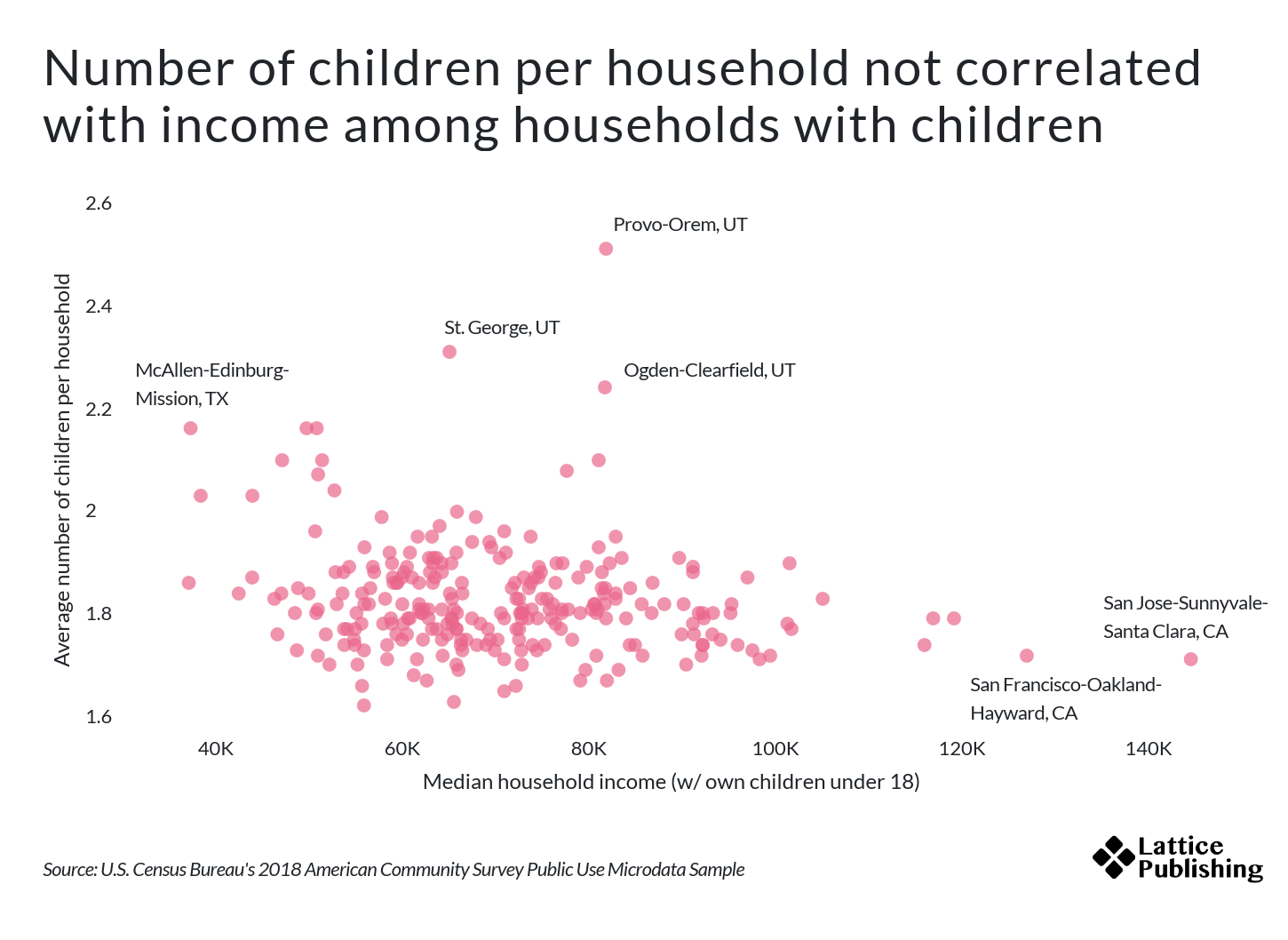
Children make up about 13% of San Francisco’s population, dead last among the 100 largest cities in America. New York is 21%. Chicago is 23%, which also happens to be the national average.
San Francisco has held this title for over two decades.
The school numbers tell the same story from the other direction. In 1970, San Francisco public schools enrolled 90,000 kids. In the 2024-25 school year, that number was about 50,046.
And it becomes a loop. Fewer kids means fewer playgrounds, fewer pediatricians, fewer preschool spots, fewer other families on your block. Schools lose enrollment, which loses them state funding, which degrades the schools, which pushes out more families.
The city optimizes for adults without children because that’s who lives here, which makes it a harder place to have children, which means fewer children. Boom loop for the city’s economy, doom loop for family creation.
A city commission survey once found 44% of parents with preschool-age kids planned to leave. That was twenty years ago. The trend has not reversed.

Compare That To Honolulu
I just spent 30 days in Honolulu with my parents, and the contrast is hard to miss.
Urban Honolulu runs about 16.5% under 18. Not a dramatic gap on paper, but the difference in feel is enormous.
Hawaii is not cheap. Infant care in the state averages $24,115 a year. Care for a four-year-old averages $13,992. Childcare can run 27% more than rent and eat 40% of a typical Honolulu household’s monthly income. The state has its own Ready Keiki initiative trying to close the gap by 2032, and Lt. Gov. Sylvia Luke has said childcare was a top cost driver behind it.
So the money is comparably brutal. What’s different is everything else.
Kids are welcome in Honolulu. Not tolerated, welcome. Restaurants make space. Strangers talk to your children warmly. The ohana concept isn’t a marketing slogan, it’s an actual expectation that extended family and community absorb some of the work of raising kids.
Nobody looks annoyed when a toddler melts down at a shave ice stand, because everyone there has been that parent or is related to one.
Nobody in Honolulu asked me for a permit to teach my own son tennis. Just the other day I picked up my kids from Tree Frog Treks, a summer camp program at Golden Gate Park. They were having fun chasing the squirrels, when a grumpy old lady sitting down told them to stop playing.
Cost is only half of why people don’t have kids. The other half is whether the place you live acts like it wants them there.

The Childcare Alternatives To Consider
Center-based daycare is the default, not the only option:
Nanny share. Split one nanny between two families. Usually lands 30% to 40% below a solo nanny and gives your kid a built-in playmate. The hardest part is finding a family whose schedule and philosophy match yours.
Au pair. A live-in caregiver on a J-1 visa. All-in cost including the agency fee and stipend typically runs well under center-based care for two or more children, and you get flexible hours. You also get a young adult from another country living in your house, which some families love and some do not.
Home-based family care. Smaller, licensed, usually cheaper than a center. Averages around $11,992 a year nationally versus $13,935 for center-based infant care.
Grandparents. Free, if you’re lucky enough to have willing ones nearby. It’s also the single biggest reason people move back to their hometowns in their thirties.
One parent stepping back. Do the math. If one parent nets $80,000 and childcare for two kids costs $72,000, that parent is working for $8,000 a year plus benefits and career continuity. Sometimes that’s still worth it. Often it isn’t.
Personally, there’s no way I’m going to work if I don’t make at least 10X the cost of childcare. Career or family is a tough decision, but you only have to sacrifice your career for three years since kids can go to preschool full-time by then.
That math has a second half nobody runs. If your household drops to one income, that income now carries everything, and a term life policy on the earner stops being optional. Policygenius lets you compare quotes across carriers in a few minutes. Do it before you make the switch, not after.
Homeschooling. Since we both didn’t have day jobs, we homeschooled our kids for 18 months during COVID. They learned an enormous amount efficiently, and we spent that year and a half exploring the city together in a way we never would have otherwise. It remains one of the most rewarding stretches of my life as a parent.
No Wonder Fewer Adults Are Having Kids

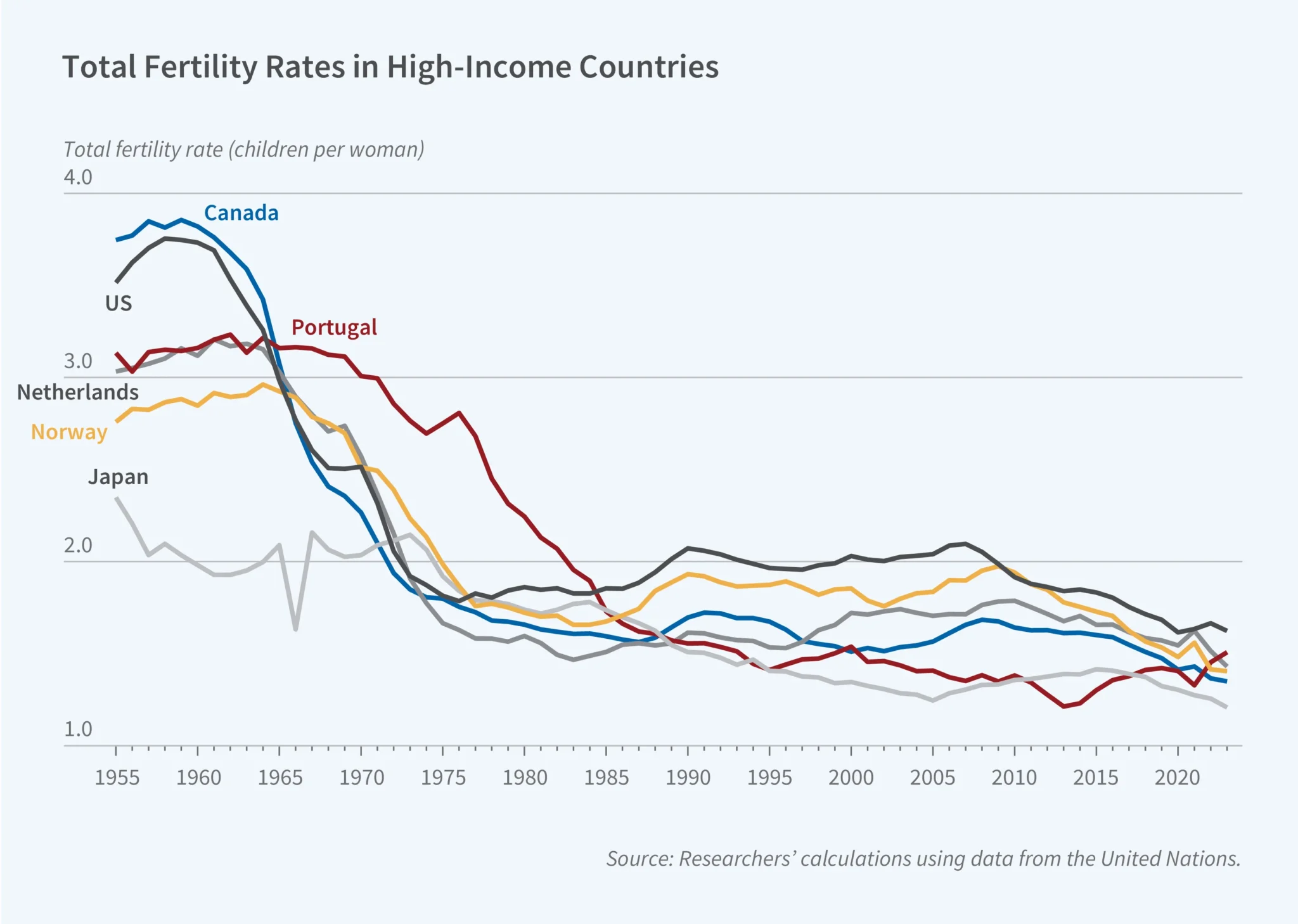
From Korea to America, fewer people are having children, and cost is a big reason why. If you can’t comfortably rent or buy a median priced home, adding kids to the equation is out of the question.
I waited about five years too long to have kids because I had a net worth goal I wanted to hit first. I’ve only lived in New York City and San Francisco since graduating college in 1999, and both cities are damn expensive. The goal felt responsible at the time.
In retrospect, I should have gone sooner. I would have captured my company’s parental leave benefits, and far more important, I’d have five more years in their lives. That’s the trade nobody tells you about. You can always earn more money later. You cannot go back and be there earlier. That said, being an older parent does have its benefits. You can also make up for lost time.
Having kids is a personal choice and nobody gets to make it for you. What I can tell you is that they are the largest responsibility you will ever accept. Yes, they’re expensive. And yes, you will occasionally get treated like a suspect for the crime of parenting in public.
They’re also a blessing. My kids gave me a purpose after FIRE that no job ever did, which is to love them and raise them into good people before they leave the house.
Just go in with your eyes open. Know the cost of childcare before you commit. Know your alternatives. And think hard about where you do it, because geography matters. Some places make having a family easier. Some places make you fight for it.
The good news is that cities can change. San Francisco just committed half a billion dollars toward making it cheaper to raise a child here. That’s real. Now it needs the other half of the equation, which costs nothing at all: acting like families are welcome.
Free childcare gets you the first part. Smiling at the dad on the tennis court gets you the rest.
Reader Questions And Suggestions
Readers, what are you paying for childcare, and how did you decide whether it was worth one parent staying home? For those who left an expensive city after having kids, would you do it again?
I’m writing a book about this, Your Children Will Be OK: Helping Them Navigate An Uncertain Future, out next year from Portfolio Penguin. It’s about raising kids for a future none of us can predict, without going broke or losing your mind. If you want to know when it’s out, my newsletter is where I’ll say so first.
This post is about what kids cost while you’re around. Life insurance covers the version where you’re not, and it’s the thing new parents put off longest. Policygenius lets you compare quotes from several carriers in minutes without a salesperson calling. If you’ve got a kid under five and no term policy, that’s the best fifteen minutes you’ll spend this week.
Read the full article here