






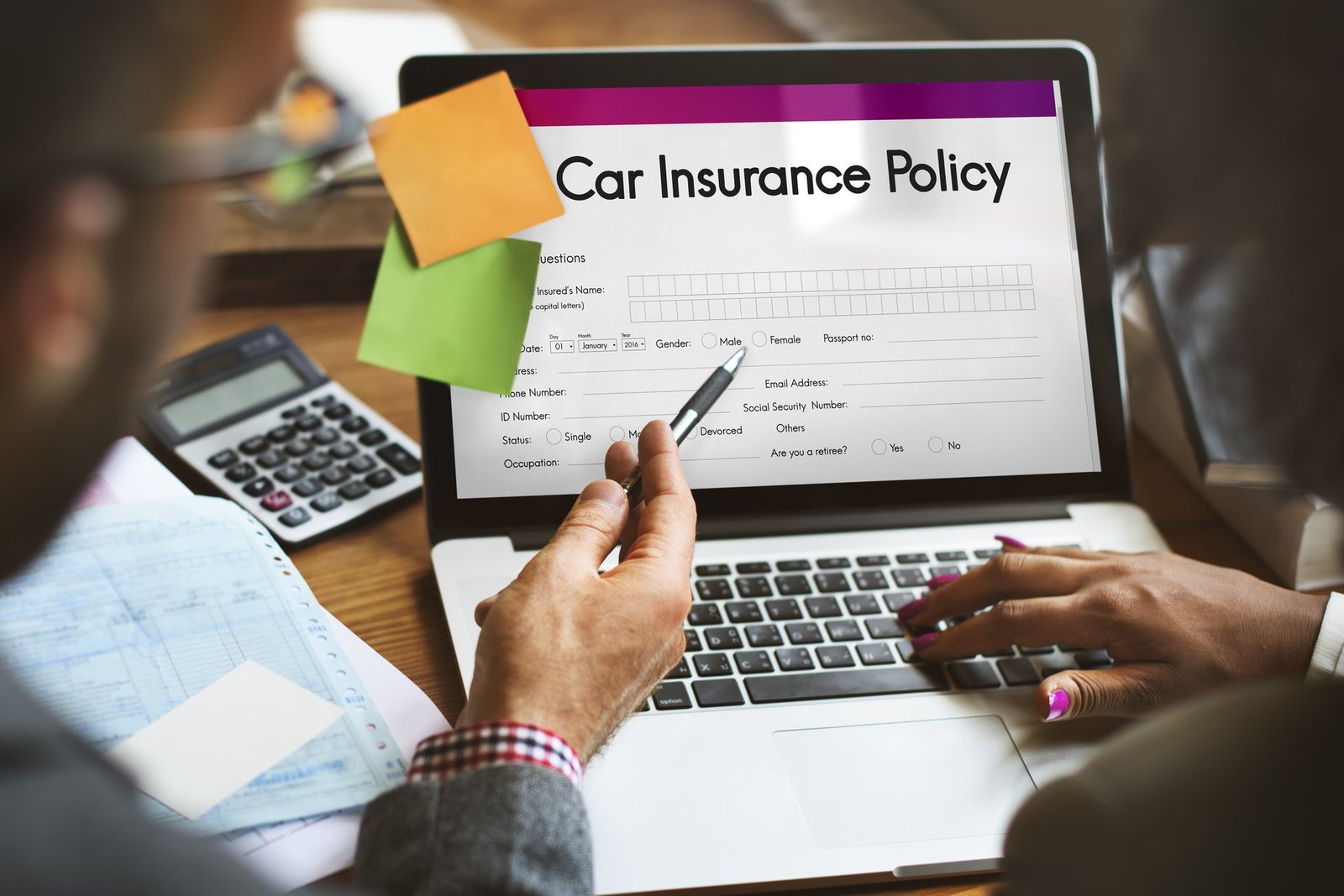


A car insurance quote is a risk assessment. Your personal information and coverage requirements help set the price and become the application the insurer relies on. If you supply incorrect information, a problem may surface when you file a claim and the insurer looks more closely.
You can save up to $1,100 on your car insurance with Insurify. Join over 10 million drivers who have stopped overpaying. It takes minutes to check, and it costs you nothing. Unlike other sites that sell your data, Insurify lets you compare real-time quotes
1. Your personal details
Your name, date of birth, home address and sometimes marital status, occupation and education.
Age is one factor insurers can weigh. Others are limited by law. Several states, including California and Michigan, bar insurers from using gender to set auto rates, and Michigan also bars marital status, education and homeownership. Where a detail is off limits in your state, it cannot legally move your premium.
2. Where you park the car overnight
The garaging address means where the car is kept overnight most of the year. It can differ from your mailing address, and insurers use it to rate the car.
Theft rates, traffic density and repair costs vary sharply from one ZIP code to the next, so this answer can shift the premium.
Intentionally listing a cheaper ZIP code than the real one can be treated as material misrepresentation or fraud and can jeopardize your coverage. If you split time between homes or keep the car elsewhere for school or the military, the insurer needs to know the arrangement.
3. The car
What the car costs to repair or replace, how it scores on safety and how often that model is stolen all affect the premium.
Safety and anti-theft features can lower the number. A financed or leased car adds the lender to the policy, and lenders generally require collision and comprehensive coverage.
4. How you use it
Your estimated annual mileage and the main reason you drive, commuting versus errands and leisure.
More miles on the road means more exposure to a claim, so higher mileage generally raises the price. This is one of the few answers worth revisiting: a driver who has retired, changed jobs or simply drives less may be overpaying on a stale estimate.
Many insurers also offer usage-based programs that track your actual driving and may reward lower mileage or safer patterns.
5. Who else drives it
Each listed driver can affect the price, and a young or high-risk one can raise it.
Expect to disclose licensed household members and anyone who regularly drives the car, not just the person buying the policy. Leaving a driver off to hold the price down is one of the more common mistakes that surface at claim time.
Where state law and the insurer allow it, a household member can be formally excluded in writing, which is not the same as failing to mention them.
6. Your driving record
Your tickets, at-fault accidents, insurance claims and any DUI, generally over the last three to five years.
This is among the biggest factors in the price, and a DUI can weigh on it for years, often longer than other violations. There is little point shading it: Insurers can check your motor vehicle record and claims history, so accuracy here is not optional.
7. How long you have been continuously insured
Insurers may ask about prior coverage and any lapse, and a gap can affect your eligibility or your price depending on the state and the company. If you are switching companies, set the new policy to start the day the old one ends, and keep proof of the prior coverage.
8. Your insurance credit score
In most states, a credit-based insurance score, which is drawn from your credit history but is not the same score a lender sees.
Stronger credit generally means a lower premium where the practice is allowed. Several states ban or sharply restrict its use, including California, Hawaii and Massachusetts.
9. Your state’s minimum for liability
Liability pays for the injuries and property damage you cause other people, and it covers a legal defense if one of them sues. It does nothing for your own car or your own injuries. Some states also require uninsured motorist coverage or personal injury protection.
The minimum is a legal requirement, not a measure of what an accident costs. A serious crash can easily cost more than those limits, and higher limits may better protect your assets.
10. Coverage for your own car
Two optional coverages repair your own vehicle. Collision pays to fix or replace it after hitting an object or another vehicle, or rolling, no matter who was at fault. Comprehensive covers many non-collision losses: theft, fire, hail, flooding, vandalism, a cracked windshield or hitting an animal. Each comes with its own deductible, commonly between $250 and $1,000.
A higher deductible lowers the premium but costs more out of pocket at claim time. Lenders generally require both until the car is paid off.
On a car you own outright that is worth little, the cost of keeping both coverages can start to look large compared with the most the insurer would pay after a total loss, which is where many drivers drop them.
11. Protection for your own injuries
Coverage for you and your passengers, beyond anything your state requires. Uninsured and underinsured motorist coverage pays when the driver who hits you has no insurance or too little, and depending on the state it can cover injuries, property damage or both.
Where personal injury protection is not mandatory, you may also be offered medical payments coverage, depending on the state, both covering medical costs after a crash regardless of fault.
That coverage addresses a real gap: in 2023, 15.4% of drivers were uninsured and another 18% underinsured, one in three combined, according to an Insurance Research Council report. How the medical coverages fit depends on your other coverage, since they can pick up deductibles, passenger costs and, in some states, lost wages.
12. Gap coverage or other extras
Gap covers the difference between what you owe on the car and what it is worth if the car is totaled. Rental reimbursement pays for a loaner while your car is repaired after a covered claim, and roadside or towing coverage handles breakdowns.
Gap matters most on a newer financed car, where you can owe more than the car is worth for the first couple of years. It may be sold by the dealer, the lender or the insurer, so check what you already have before buying it twice. Rental and roadside coverage are optional and not essential for every driver.
The answers become the policy
A quote is an estimate. The details can be checked when you buy, and again if a claim puts the application under scrutiny, which is when a wrong address, an undisclosed driver or a low mileage figure can cause real trouble.
Provide accurate information, update when things change, and compare quotes for the same coverage at two or three insurers before you renew. The same driver and the same coverage can draw very different prices, and comparing identical coverage is the clearest way to see who is actually cheaper.
Compare quotes
Read the full article here