







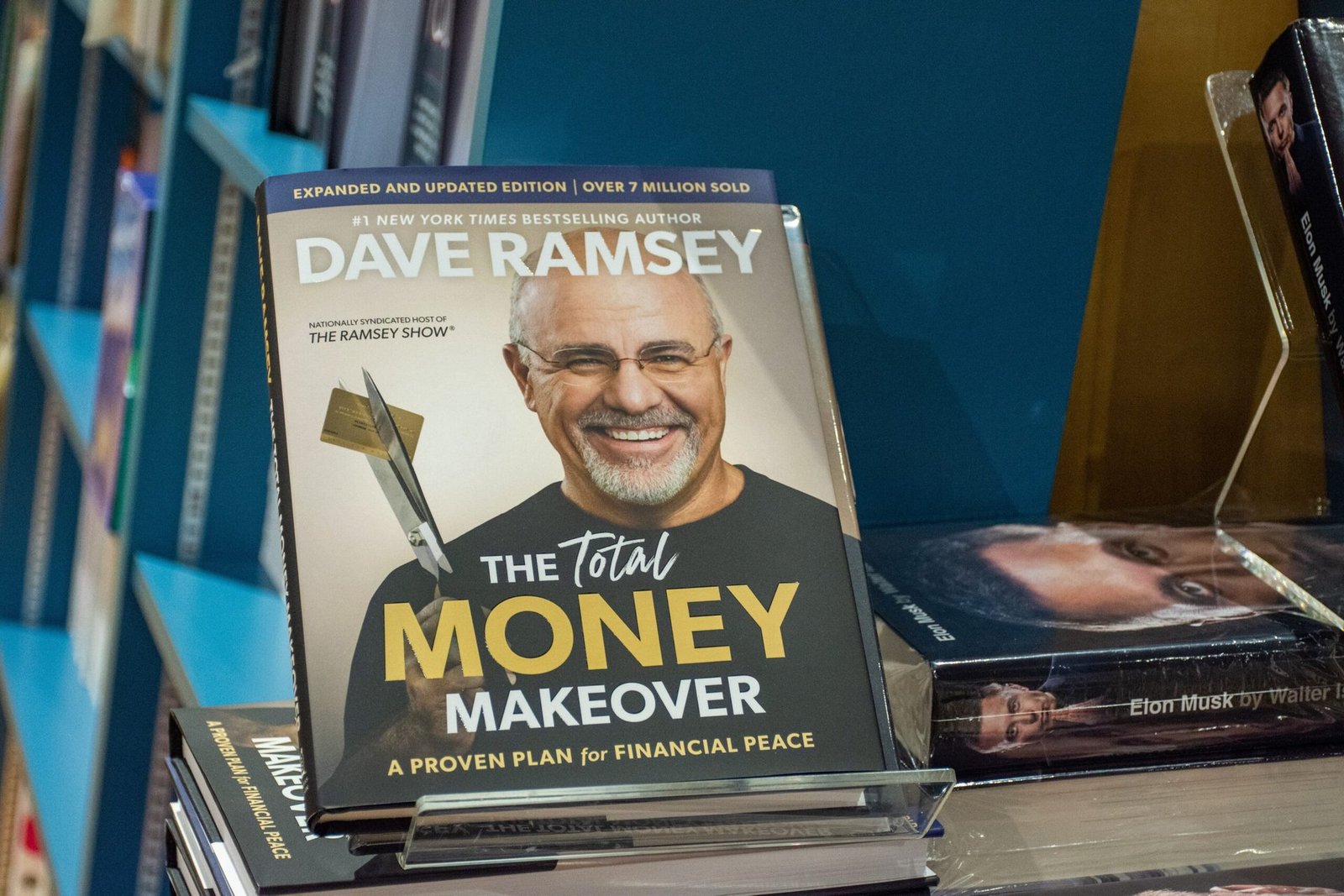


In order to stop draining your own wealth, you need to know what actually wastes money. Dave Ramsey frequently warns about the habits that keep Americans broke.
Ramsey is a highly influential American personal finance author, radio host, and founder of Ramsey Solutions, known for helping millions of people get out of debt and build wealth using his structured approach to budgeting, debt elimination, and wealth building.
Financial stability is not built only on what you earn. It also depends on what you keep. These are some of the biggest ways cash slips out of household budgets before people realize what happened.
1. Flying blind without a written budget
A budget is not punishment. It is a decision-making tool. Without one, it is easy to mistake a good income for financial control. The money comes in, bills get paid, cards get swiped and the month ends with less left over than expected.
Ramsey argues that a written budget can feel like getting a raise because it shows where money is already going. Assigning a job to each dollar before the month begins makes it harder for impulse spending to quietly take over.
With the right membership, you can slash expenses on dining, travel, eyeglasses, prescriptions and more. AARP is just $15/year with auto-renewal. Join now and save hundreds.
2. Buying things to impress other people
Trying to look wealthy is one of the fastest ways to avoid becoming wealthy.
Cars, clothes, gadgets and home upgrades can become less about usefulness and more about sending a message. The problem is that the people receiving the message are rarely paying the bill.
Ramsey has said he fell into this trap earlier in life, buying expensive vehicles partly to impress strangers. The lesson is simple: Financing an image can leave you with payments long after the admiration is gone.
3. Leaning on debt and financing
Monthly payments make expensive decisions feel smaller than they are. Credit cards, auto loans and other financing options can turn one purchase into months or years of obligations. Interest adds another layer, making the final cost far higher than the sticker price.
Ramsey’s preference for debit cards and cash comes from that concern. Paying directly from money you already have forces the decision into the present, where the trade-off is harder to ignore.
If you are already $15,000 or more in debt and struggling, it may be worth considering National Debt Relief
4. Buying the wrong kind of life insurance
Whole life insurance is often a poor fit for households that mainly need affordable income protection. Term life insurance typically provides coverage for a set period at a much lower cost. Whole life policies combine insurance with a cash-value component, which can make them far more expensive.
Ramsey has long criticized whole life insurance because many buyers would be better served by buying term coverage and investing the difference. That does not mean every permanent policy is useless, but it does mean shoppers should understand exactly what they are paying for.
5. Letting everyday extras run the budget
Small purchases are not harmless just because they are small. Restaurant meals, unused subscriptions, convenience fees and premium drinks can drain hundreds of dollars a month. None of them may wreck a budget alone. Together, they can crowd out savings, debt payoff and larger goals.
The issue is not whether coffee or dinner out is morally wrong. It is whether those purchases are happening on purpose. A treat that fits your budget is different from a habit that keeps you stuck.
6. Signing a timeshare contract
Timeshares often turn vacation dreams into long-term bills. The sales pitch may focus on future getaways, but buyers also need to consider upfront costs, annual maintenance fees and the difficulty of getting out later. Ramsey has repeatedly called timeshares one of the worst consumer purchases.
For many households, renting a vacation property when they actually need one offers more flexibility and fewer obligations.
7. Paying for extended warranties you may never use
Extended warranties sound responsible because they are sold as protection. But retailers push them for a reason: They are profitable. Many consumers never use the coverage, already have protection through a manufacturer’s warranty or could replace the item for less than the total cost of repeated warranty purchases.
Instead of buying coverage for every appliance or electronic device, it may make more sense to build a small repair-and-replacement fund. That keeps the money in your control unless you truly need it.
On the other hand, a home warranty can make sense for homeowners who want help covering major systems and appliances with one policy. Choice Home Warranty
How to tell when spending has become waste
The issue is not coffee, restaurants or vacations. It is spending that keeps happening without a clear reason.
A purchase that fits your budget and improves your life is not the enemy. A purchase that delays your goals, adds debt or exists mainly to impress someone else deserves a harder look.
That is the useful part of Ramsey’s advice: Waste is not always obvious in the moment. Sometimes it looks like convenience, protection, status or a well-earned treat. The sooner you can tell the difference, the more of your money stays yours.
Read the full article here