








If you’re new to budgeting, you may not need a complex system to track your finances. One of the most powerful steps you can take is just understanding where your money goes each month and where you can cut back.
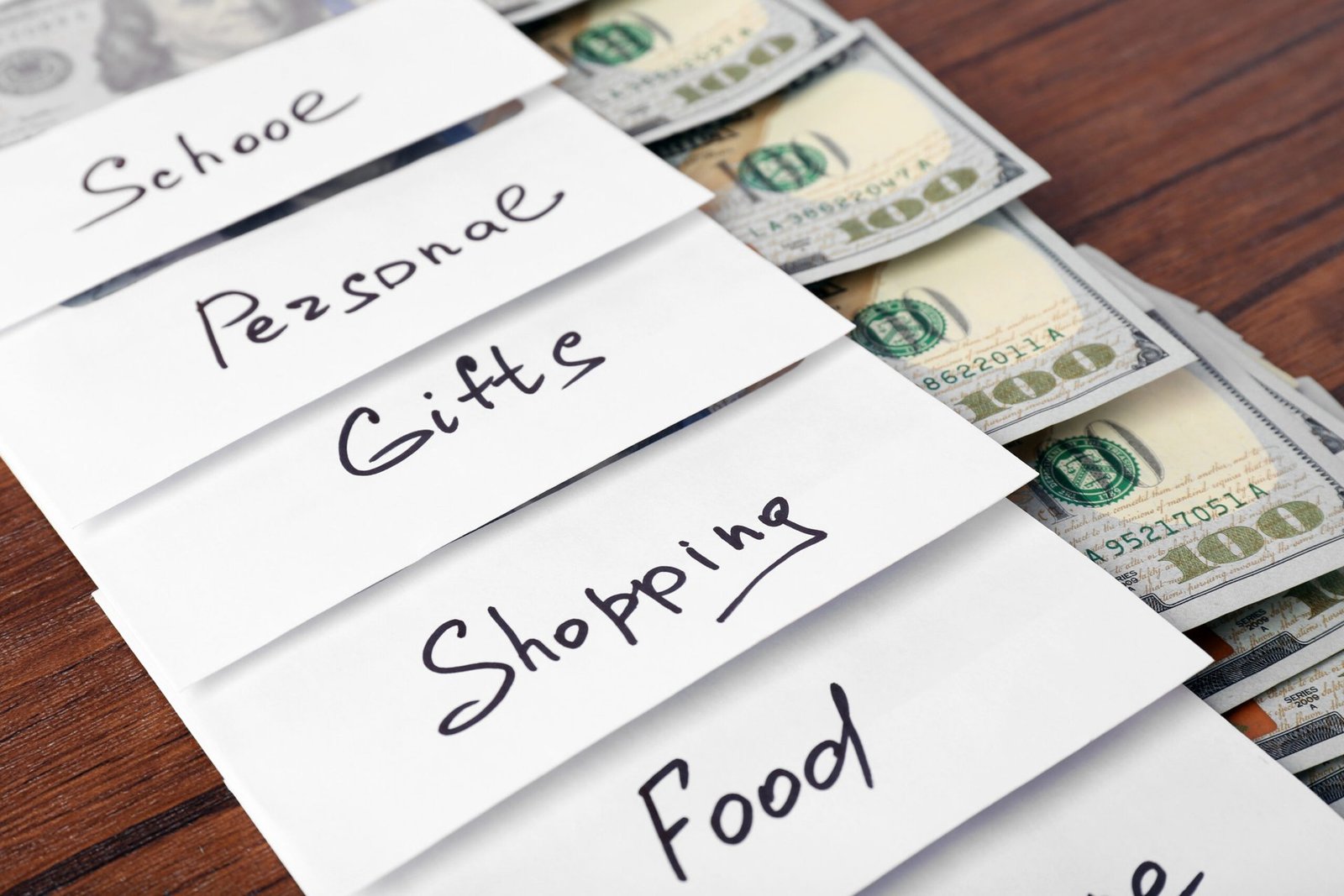
Envelope budgeting is a simple method that can help. By having you allocate cash into different categories — or envelopes — each month, this method creates more awareness and discipline around your spending. It’s a visual tool that prompts you to be more mindful about your finances.
“I’ve always believed envelope budgeting works because it makes intangible spending tangible,” says Eric Croak, CFP and accredited wealth management advisor at Croak Capital. “There’s pain associated with dropping bills and coins into jars. That pain doesn’t exist when you press a card.”
By adding this friction in your purchasing, you can better understand where you’re spending unnecessary cash and create extra breathing room in your budget.
Here’s what you need to know about this tried-and-true budgeting method, and whether it’s right for you.
What Is Envelope Budgeting?
Envelope budgeting is a technique used to limit spending by allocating cash to specific spending categories, like dining out, shopping or groceries.
When the envelope runs out of cash, you stop spending in that category. You refill the envelope routinely, such as each month or after receiving your bi-weekly paycheck.
Traditionally, it’s used with physical cash and envelopes, but there are digital tools that also support this method.
What Is the Purpose of Envelope Budgeting?
The main goal of the envelope budgeting method is to create visibility and boundaries around your spending. “The envelope method is less about the cash and more about the behavior,” says Cristina Wiebelt-Smith, CPA and Sr. Wealth Advisor at Gertsema Wealth Advisors.
The physical envelope with cash makes it easy to see when funds are running low. Plus, having to physically hand over the cash on purchases may make you think twice before impulse buying.
This awareness can create more mindful spending habits over time. “The big lesson is that envelope budgeting isn’t meant to be your permanent solution. It’s training wheels for your brain,” Wiebelt-Smith says.
How Envelope Budgeting Works
Once you get the hang of it, envelope budgeting is simple. Here’s how to get started:
- Create spending buckets: Decide which categories you want to track with envelope budgeting. Wiebelt-Smith recommends starting with discretionary categories, like eating out, clothing and entertainment, as these are common “problem” areas for overspending.
- Set realistic spending limits: Choose a spending limit for each category that fits into your budget and is realistic for you. The goal of the limit is to create a firm spending boundary, not be overly restrictive.
- Fund each envelope: Label each envelope and withdraw cash to fill each category. If you’re using this method digitally, you can allocate money to multiple bank accounts or account “buckets,” or assign money to categories within a budgeting app.
- Spend only what’s in the envelope: This is the key to success for envelope budgeting. Croak strongly advises against moving money between categories or supplementing with a credit card. “If your envelope runs empty, spending must stop. Otherwise it’s not working,” he says.
What if I Go Over Budget in a Category?
Ideally, once you’ve hit your budgeting in a category, you should stop spending until it’s time to refill your envelope. Giving yourself too many concessions can ultimately undermine the purpose of the envelope budgeting method. Delaying or skipping unnecessary purchases is what can create more discipline and awareness around your spending habits. If you repeatedly struggle with spending above your allotted amount, you might need to re-examine your habits to reduce spending temptation in problem categories.
That said, if you’re consistently going over budget in a category, you might need to rethink your limit. Your limit should challenge you to spend thoughtfully and within your means, while also remaining sustainable. It can take some tweaking to find the limit that works best for you.
Cash vs. Digital Envelope Budgeting
Traditional envelope budgeting relies on physical cash and envelopes, which isn’t always compatible with online buying and card-only transactions.
“The method is more challenging today than it was 20 years ago. We order groceries for pickup, purchase gifts online and shop through apps and websites,” Wiebelt-Smith says.
There are workarounds, though. “Many budgeting apps and online bank accounts allow you to assign dollars to specific categories and track balances, much like physical envelopes, but they can better accommodate online spending,” Wiebelt-Smith says.
You can also use a hybrid system. For example, you can allocate cash for categories you commonly overspend in, such as dining out and shopping, while keeping other spending digital.
Who Should Use Envelope Budgeting?
Envelope budgeting is a straightforward method that can help you reduce your spending. But it doesn’t fit every lifestyle.
Who Envelope Budgeting Is Best For
Wiebelt-Smith and Croak recommend envelope budgeting for people who:
- Are new to budgeting and want to understand their spending habits
- Consistently overspend in discretionary categories
- Splurge on small purchases that add up quickly
- Are visual or hands-on learners
- Regularly use cash and spend money in-person
- Overspend when using debit or credit cards
Who Envelope Budgeting Is Not Ideal For
Envelope budgeting doesn’t work for everyone. Wiebelt-Smith and Croak explain that this method isn’t ideal for people who:
- Make frequent online purchases
- Rely heavily on credit cards
- Have many bills on autopay
- Are concerned about carrying large amounts of cash
- Live in households with multiple spenders, as this makes it harder to coordinate
Envelope Budgeting vs. Other Budgeting Methods
Envelope budgeting can be used alongside other budgeting methods, depending on your goals. Compare different budgeting techniques:
- Envelope budgeting: Allocating cash in envelopes for different spending categories; Best for: Limiting overspending
- 50/30/20 rule: Dedicating 50% of income to needs, 30% to wants and 20% to savings; Best for: Simple but comprehensive budgeting
- Zero-based budgeting: Assigning every dollar a “job,” so your income minus expenses equals zero; Best for: Detailed tracking
- Pay-yourself-first budgeting: Automatically moving a pre-set percentage of your paycheck to savings or investments; Best for: Automating savings
Bottom Line: Envelope Budgeting
Envelope budgeting is one of several ways to take control of your finances through understanding where your money goes and creating discipline.
If you’re a beginner budgeter, it can be a simple and effective way to track your spending habits. It helps create boundaries around your finances by giving you visual cues of how much you have and when to stop.
However, with so much spending today done online or with credit cards, traditional envelope budgeting isn’t always compatible with many people’s lifestyles. Digital options, such as Monarch Money, can make it easier.
Frequently Asked Questions
Does envelope budgeting actually work?
Envelope budgeting does work for many people because it creates clear, tangible spending limits. This helps you see exactly where your money is going.
Can you use the envelope budgeting method without cash?
Yes, you can use the envelope budgeting method digitally through budgeting apps, multiple bank accounts or bank account “buckets.” The key is to separate your spending categories and give an allotted amount of money to each.
What happens when an envelope is empty?
When an envelope is empty, you should aim to stop spending in that category until it’s time to refill it. “The key rule here is no skimpy $20 loans between categories halfway through the month,” Croak says.
Is envelope budgeting the same as zero-based budgeting?
Zero-based budgeting is a method where you assign every dollar of your income each month to a specific role. Envelope budgeting is similar in that you assign money to different spending categories. However, envelope budgeting focuses on holding physical cash in certain “problem” categories so you can spend mindfully and stop when you run out.
Can envelope budgeting help you save money?
Envelope budgeting can help you save money by putting limits on your spending and reducing impulse purchases. It also helps you become more aware of where you are spending money by giving you a visual cue of when to stop.
This article originally appeared on USA TODAY: Envelope budgeting: What it is and why it’s so popular
Read the full article here