






August 19, 2026 6:44 pm EDT
|

Veterans who served in the Air Force, Navy, or Coast Guard had amyotrophic lateral sclerosis, or ALS, rates 15% to 29% higher than Army veterans, according to a new study.

The study, published in the journal Neurology last month, analyzed records for nearly 10 million veterans receiving Department of Veterans Affairs healthcare between 2000 and 2024, including nearly 14,500 with an ALS diagnosis.

Officers were found to face a 64% elevated risk of developing ALS, compared with their enlisted counterparts. The researchers did not determine whether particular military jobs or exposures were responsible for the difference.

ALS, also known as Lou Gehrig’s disease, is a degenerative disease that damages the nerve cells that control voluntary movement. Over time, patients lose the ability to control muscles that needed to speak, eat, move, and breathe independently. It is often difficult to diagnose and is fatal.

“Military service is a known risk factor for the development of ALS, but little is known about what factors may contribute to that risk,” Marc Weisskopf, an environmental epidemiologist at Harvard and one of the study authors, said in a Harvard announcement.

Weisskopf cautioned that ALS is rare and the overall risk of developing it remains small, “so even statistically significant increases associated with branch and rank represent only modest increases in risk among military personnel.”

Previous studies have also found ALS is more common in veterans, according to the National Institute of Neurological Disorders and Stroke, perhaps because veterans face exposure to risk factors like lead, pesticides, and other toxins. While ALS can affect all populations, it’s more frequently found in older white men.

What could explain the branch and rank differences remains unclear. Weisskopf said in an American Academy of Neurology press release that officers and enlisted personnel may face different work conditions.

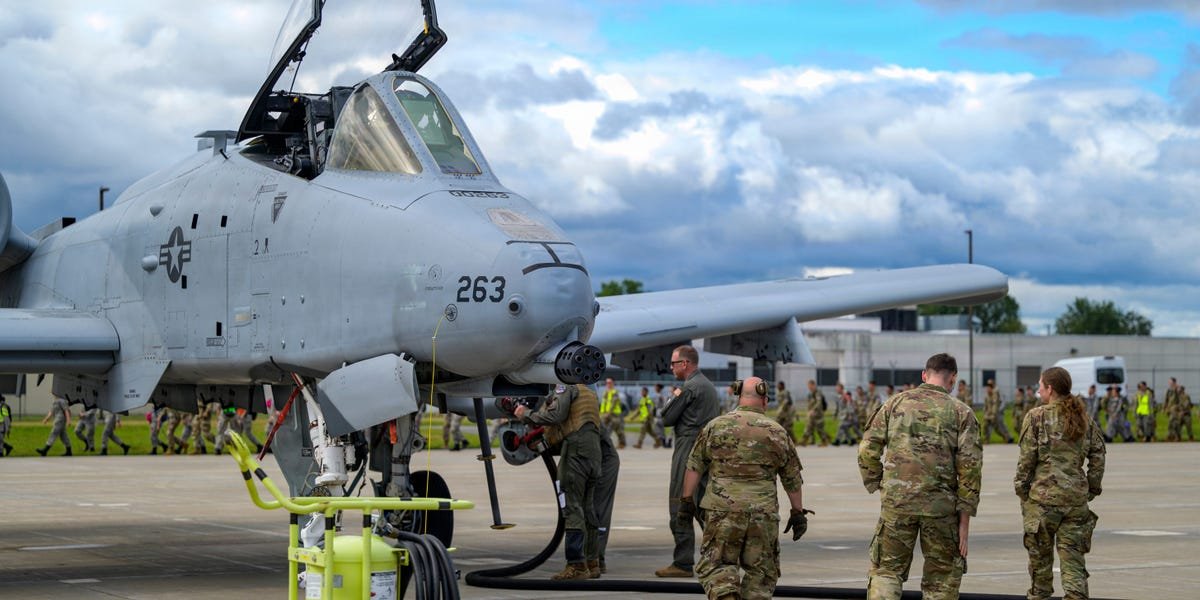
“Officers tend to experience more psychosocial stress, with pilots experiencing high G-forces, noise and vibration as well as circadian disruption, while enlisted personnel usually experience more extreme physical exercise, heavy weapons use and handling of fuels and solvents,” he said.

Around 46% of veterans with an ALS diagnosis served in the Army, roughly in line with the Army’s share of the overall veteran population examined,

After accounting for age, sex, race, and ethnicity, male Air Force veterans had a 29% higher ALS rate than male Army veterans, while male Coast Guard veterans had a 26% higher rate and male Navy veterans had a 15% higher rate. Male Marine veterans had a 22% lower rate than Army veterans, researchers found.

Differences were more pronounced among men under age 61 than among those over 75.

The researchers said they had limited ability to assess differences among women because ALS is so rare and women make up a smaller share of the military population, just 18%. But among the women who were included, female officers faced a 72% higher risk compared with enlisted women.

“Our findings suggest that officers and those serving in the Air Force, Navy, or Coast Guard may have been exposed to military environments that increase risk for ALS,” Weisskopf said in a release. “Future research should aim to identify these exposures.”


Read the full article here

Share.
Leave A Reply

Exit mobile version