








You probably know your driving record affects what you pay for car insurance. That makes perfect sense. However, there are other factors at play that are not so obvious.
Join over 10 million drivers who have stopped overpaying by comparing rates with Insurify. It takes minutes to check, and it costs you nothing.
1. Your credit can cost you even with a clean record
In most states, insurers can use your credit history to help set your premium with a credit-based insurance score. This score is calculated from parts of your credit record and is designed to predict insurance losses.
The effect varies by insurer and state, but among the rating factors a company weighs, credit history can change what otherwise similar drivers pay. Some states prohibit the practice, and many others limit how insurers can use the score.
2. A totaled car pays what it is worth, not what you owe
When an insurer declares your car a total loss, it pays the actual cash value, the depreciated market price on the day of the wreck. That is not what you paid, and it is not what you still owe the lender. On a newer financed car, the gap between the two can run thousands of dollars, and it lands on you.
Gap is a separate add-on to the coverage types that actually pay out here, and your insurer can add it. Dealers and lenders may sell their own versions, but those are sometimes debt-waiver agreements rather than insurance, so check what you already carry before you pay for it twice.
3. Filing a claim for minor damage can cost you for years
A small dent you claim can follow your premium long after the repair is done. An at-fault claim can raise your rate, and the surcharge can linger for years, so before you seek payment for minor damage to your own car, weigh the repair against the deductible and the higher premiums that may follow.
Reporting the accident is a separate matter. Your policy may require you to report it even when you decide not to claim, so do not confuse the two. In some states, even a claim that was not your fault can nudge your rate.
4. Driving for Uber can leave you with a coverage gap
A standard personal auto policy generally stops covering you the moment you log in to a rideshare app, and it stays off until the passenger is out and the trip is closed, according to the Insurance Information Institute. The app’s own coverage can leave holes, especially while you are logged in and waiting for a ride.
A rideshare endorsement on your personal policy can close that gap. Delivery apps run under their own rules, so if you drive for one, ask your insurer exactly what applies.
5. Losing a spouse can push your rate up
Marital status is a rating factor in most states, and married drivers tend to pay less than everyone else. The uncomfortable corollary is what happens when a marriage ends. A 2015 Consumer Federation of America comparison found that widowed women paid about 14% more on average across the insurers it tested.
The reasons are statistical, not personal, but the timing is cruel. Some states have pushed back. Delaware now bars insurers from charging an existing customer more solely because their marital status changed after a spouse died.
6. Your job and your diploma can change the price
Some insurers weigh your occupation and education level when setting your rate, on the theory that certain jobs and degrees track with fewer claims. Two drivers with identical records and identical cars can be quoted different prices because of what they do for a living or how far they went in school.
Consumer advocates have long argued these inputs punish people for things unrelated to driving. Several states restrict or ban them, Massachusetts and Michigan among them.
7. The color of your car changes nothing
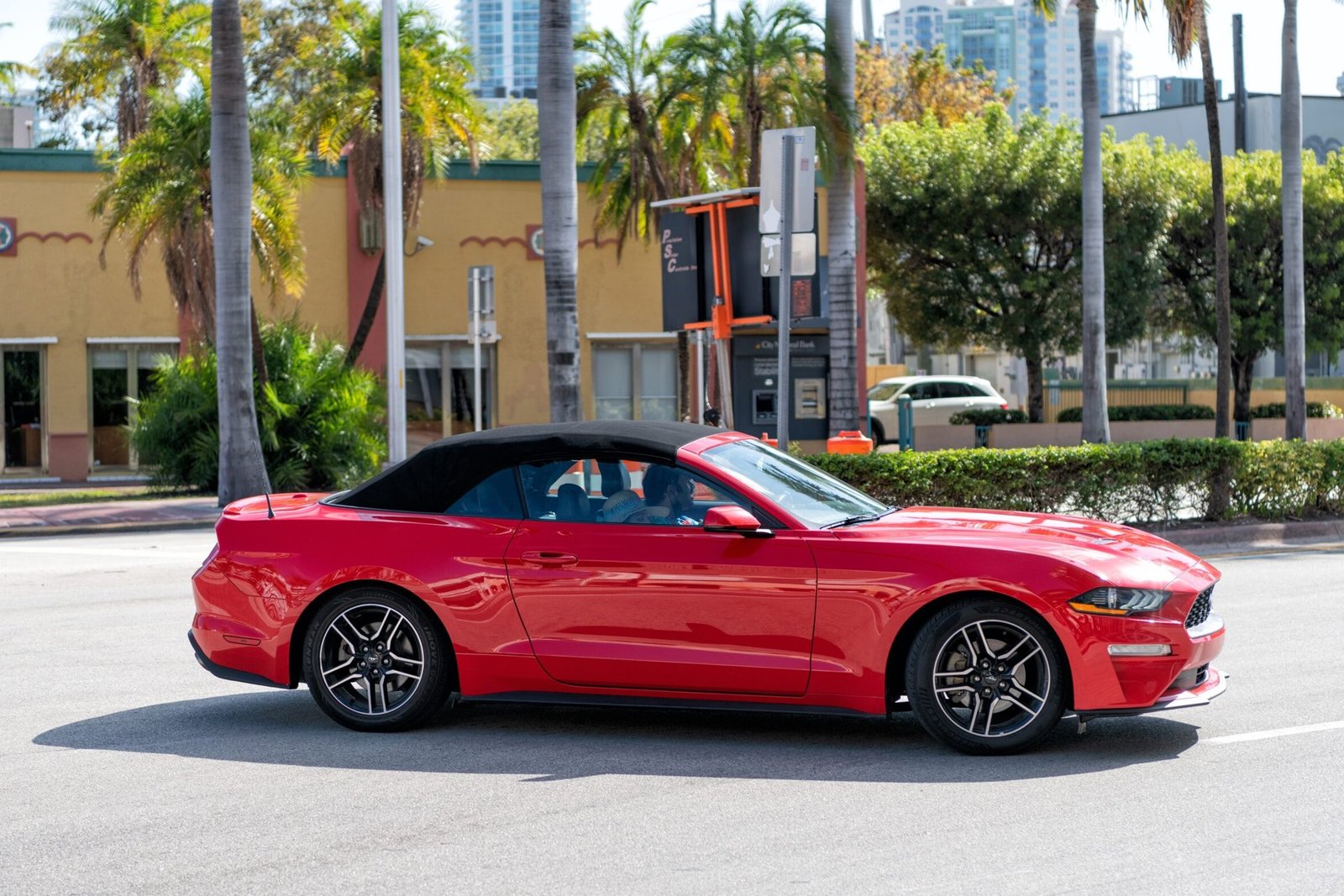
The red-car premium is folklore. No major insurer prices by paint color, and color does not even appear in your car’s VIN, the identifier they pull to rate the vehicle, according to State Farm.
The myth likely survives because sports cars are often red and cost more to insure for reasons of speed and repair bills, not shade. Buy the color you want.
8. Loyalty does not guarantee you the best price
Renewing with the same insurer does not guarantee the lowest price. Insurers have used techniques known as price optimization to estimate how customers may respond to a rate increase, including how likely they are to shop elsewhere. Regulators have questioned whether pricing on that behavior leaves otherwise similar customers paying different amounts for reasons unrelated to their expected losses, and a number of states have moved to limit it.
The fix is not loyalty. Before you renew, compare quotes
Save $1,100 on your car insurance by comparing real-time quotes side by side
Read the full article here