









Life is hard if you want to outperform average.
To reach a USTA 5.0 level in tennis takes an endless amount of practice. To get promoted to Managing Director in banking, you first have to survive a decade of 70+ hour weeks just for a shot. And if you want to be your own boss and build something sustainable, you may have to grind through your day job and then grind some more on your business after hours.
So here’s my question: are some of us genetically predisposed to enjoy the suffering more than others?
Instead of wanting to play life on easy mode, some of us choose to get beat up left and right. Because if we finally grind it out to the end and pass, the satisfaction is immense. Conversely, when something is just handed to us, there’s no satisfaction at all. It’s like being born rich, having your parents cut a fat check to their fancy alma mater so you can get in, and then calling yourself self-made. Not exactly a thrill.
I’d like to think most of us would rather struggle for an extended period of time, just for the satisfaction of knowing we did our very best. And the more we love to suffer, the sweeter the reward if we ever make it out the other side.
I’ve long believed you cannot fail if you never quit. It’s a mantra I’ve carried since 2009, when I started Financial Samurai convinced I was about to get blown out of my banking job. The world was in dire straits and I thought I’d lose everything I had spent a decade building.
Turns out that mantra applies to a lot more than careers. It also applies to an 11-year-old car with a mind of its own.
The Start Of Something Hard And Frustrating
Around October 2025, my then 10.5-year-old car started throwing electrical gremlins. This was after two consecutive years of going to the mechanic for some $1,000 – $1,500 problem.
One morning a low battery light came on. Strange, but the car started fine. The light kept reappearing until a more ominous message showed up a week later: “System Will Shut Down In 1 Minute.” Holy crap.
I took it to my local mechanic and had them swap the auxiliary battery and the main battery, which they had already replaced five months earlier. Problem solved, I figured. Nope.
All through November and December, the low battery warning kept coming back. So I started taking longer drives, evening drives, anything to feed the battery enough juice for the next cold start. Sometimes it worked. Most of the time, the warning kept coming on. But at least the car still ran.
Then we left for Hawaii for two weeks to see my parents in December, and the car sat untouched. When we returned, it was stone dead. The alarm had died, I had to manually unlock the door, and roadside assistance came to jump it.
New Year’s Day is when the real fun began.
After idling for 30 minutes, I drove to the O’Reilly Auto Parts store 17 minutes away, where the car promptly died the second I turned it off. I bought a $100 electronic jumper. Didn’t work.
Roadside assistance came back and jumped it with a 2,000-amp monster. So I marched into O’Reilly and bought the most powerful jumper they had, 1,000 amps, and drove around the block feeling confident. Then it died again. At a stoplight. Panic.
I ripped open the jumper box, popped the hood in the rain, jumped the car, rolled into a parking spot, and sat there for 40 minutes too terrified to move. The last thing I wanted was to die on the highway.
Eventually I worked up the courage to grab lunch two miles away, left the car running while I picked up the food, and finally made the 15-minute highway drive home. My wife and kids were safe at home while I spent four hours of New Year’s Day fighting a car. Happy 2026.
That night, fingers crossed, I let it idle, drove it around, and parked it. The next morning it started. Phew!
Home Clear For The Next Six Months
For the next six months, the car fired up every time. My theory is that the two-week shutdown in Hawaii somehow reset an electrical module that had been staying on overnight and draining the battery. I logged every symptom and asked ChatGPT for advice along the way, which cheered me on like a personal trainer the entire time.
Then around April, new gremlins came back, one by one, like a horror movie sequel nobody asked for.
First the rear right door wouldn’t open from the inside. That seemed dangerous if we got into a crash and my kids had to get out. A few weeks later the rear right window wouldn’t roll down from the driver’s controls. Then my son rolled that same window down from the back seat and it refused to go back up. What on earth was going on?
Then the coolant started flooding my driveway, six months after I’d paid several hundred dollars to replace a coolant hose. Back to the mechanic. And right on cue, the check engine light came on too. At that point I was just laughing. But I looked on the bright side: the car had gone six whole months without a major problem.
My local mechanic replaced the thermostat and some hoses for $1,050, which stopped the leak. But they recommended I take it to the Land Rover specialist for the check engine light, since they’d worked on it before. Fine.

Fixing The Check Engine Light Plus An Inoperable Window And Door
At the specialist, he fixed the check engine light (evap leak) and replaced some parts for about $800. Not bad. Two hours in, he called and asked if I also wanted the window and door fixed for another $1,500. He could get the parts in that day, and his shop was nowhere near my house, so I said sure. What’s another $1,500 on top of $800?
Let’s hemorrhage more money, baby!
I picked up the car with everything working. Wonderful. $3,350 (including the $1,050 to fix the coolant) was still cheaper than $100,000 for a new Range Rover Sport. I felt frugal and responsible.
Now I could go home and show my kids that when something breaks, you don’t just toss it and buy new. You try to fix it, save money, and cherish what you have.
Woke Up The Dormant Electrical Gremlin
The very next day, my worst nightmare returned: low battery warning, system will shut down in one minute appeared. Nooooo. Somehow, fixing the window and door had poked the electrical gremlin awake.
Back to the shop the next day, a Thursday. He unplugged and reset the battery, and also inspected everything. Another 2.5 hours of my life, but the drive was only 22 minutes. I grabbed a coffee at the nearby BMW dealer, and got some writing done on my laptop. I picked the car up just in time to grab my kids at 11:35am for a half day end of the school year, then we drove 20 miles to the Bay Club for an afternoon of tennis and swimming.
Running great again. Until that Friday at 10pm, when I went out to start the engine and write my newsletter, and found the car unlocked. I never leave it unlocked. The right rear window wouldn’t go down, and the car wouldn’t lock. It would beep, then double-beep, refusing to fold in the mirrors.
The next day, the low battery light was back. I had to wait until Monday to bring it in. Ugh.
About To Give Up And Buy A New Car
Monday was my birthday. Not how I planned to spend it. So I made the most of it.
We dropped the kids at camp, my wife and I went on a lunch date at Manora’s, the same Thai restaurant we went to when we first moved to San Francisco in 2001. Then we walked a mile to Books Inc to scope out the latest finance and parenting titles, since I’m working on my new book, Your Children Will Be OK.
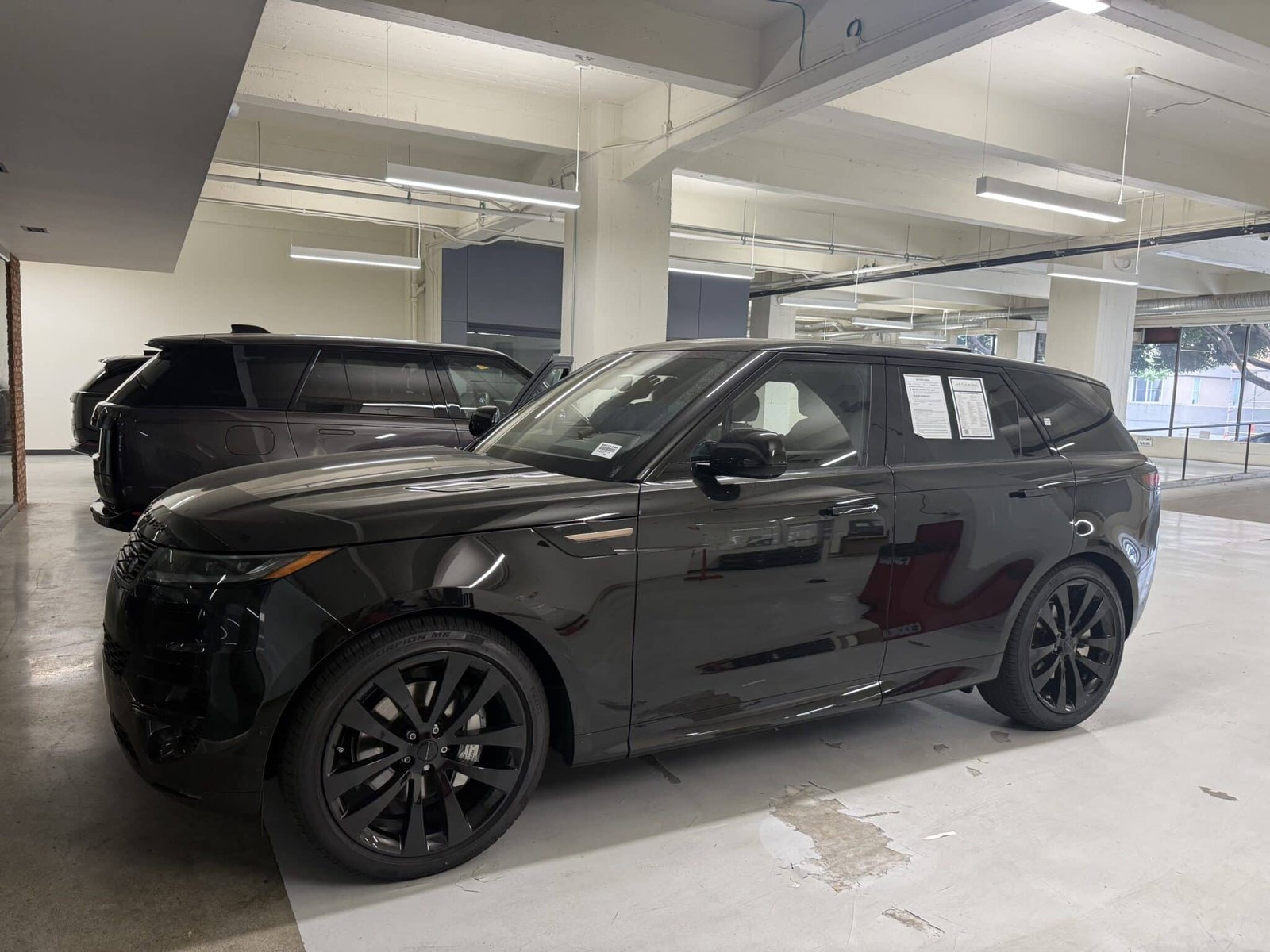
Then we made a mistake as minimalist retirees. We walked up to the Land Rover dealer on Van Ness street and test drove a new 2026 Range Rover Sport.
It was incredible. Black on black on black with 23-inch rims, my exact desired combo. Now I knew exactly how much smoother the new version drove. I was this close to YOLO-ing it out the door for $98,500, about $10,000 cheaper than 2025 thanks to looser inventory.
I almost never buy anything for myself, only for my wife and kids. Why not finally treat myself after all this aggravation, especially on my birthday?
But my rational brain took over. I’d just spent $3,350. I wanted to know if the specialist could actually fix the problem first. And if he had, I wanted to at least get some value out of it.

The Final Fix, For Now
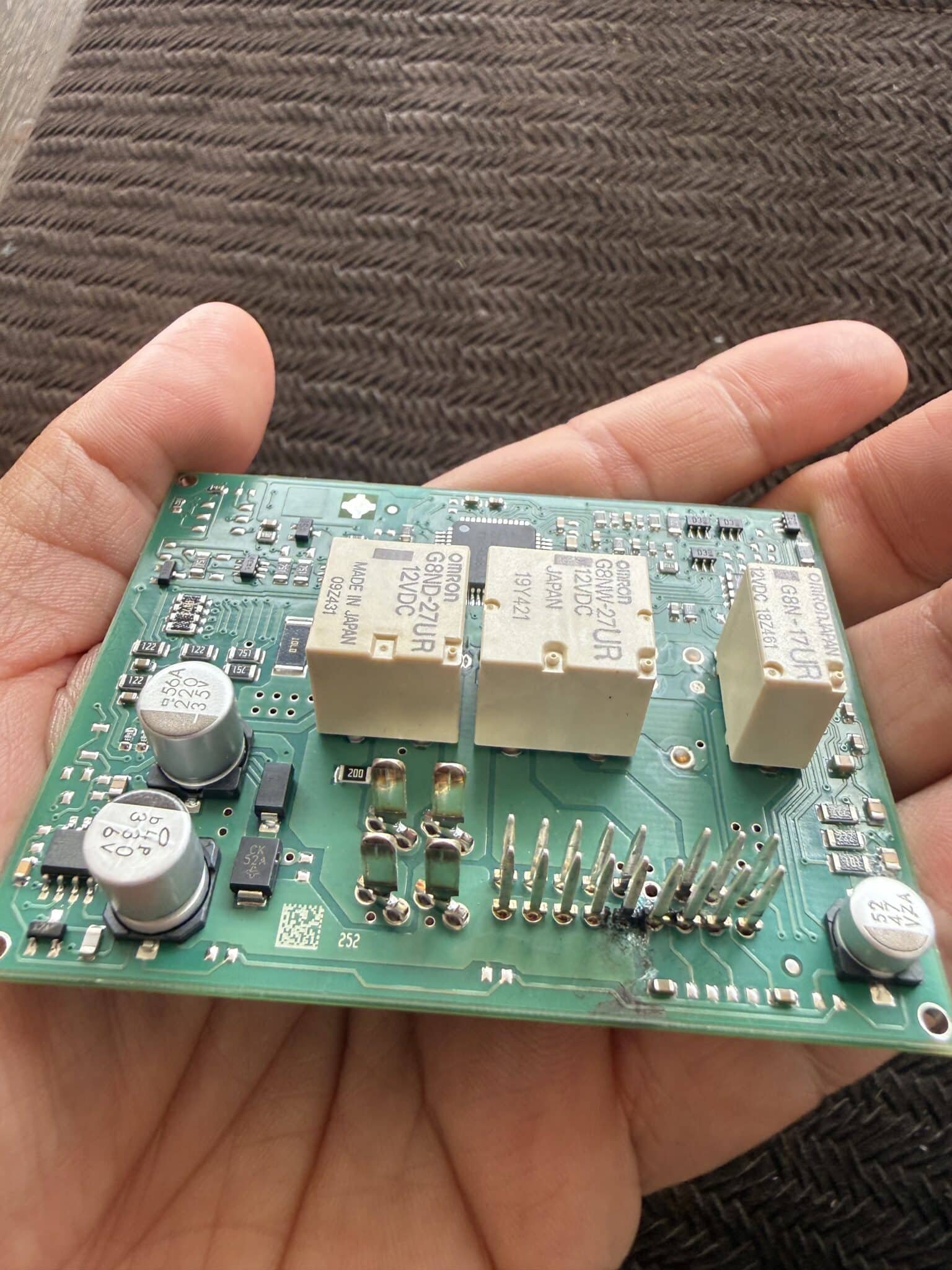
Jack the mechanic called at 3pm. He thought he’d finally cracked it. He inspected the rear right door module and found some of the prongs were burnt. So he swapped in the identical module from his own car, and the window and door lock came back to life. With medium conviction, he said the new module may have fixed the parasitic drain too.
He handed back my key fob, which he’d replaced with a new one, and told me there was no charge for the door module work. Amazing! I told him I’d drive it until I leave for Hawaii again, and worst case it dies while I’m gone, the gremlin resets, and we’re back in business. He said OK.
Good news: it’s been seven days, seven consecutive cold starts, zero low battery warnings. The windows work, the doors work, no check engine light, the car locks. Hallelujah!
All I ask now is another six months or 3,500 miles before the next $1,000+ bill. If it’s a big one, I may finally buy new. The car is 11.5 years old with only 71,000 miles and a ton of fresh major parts: new water pump, cooling system, thermostat, batteries, door module, door latch, window switches, and two new rear tires.

But Buying New Isn’t A Magic Escape Either
Here’s the part people forget when they fantasize about ditching an old car: new things break too.
In 2017, I bought a brand new Honda Fit. Smelled great, drove great, zero problems. Until 2019, when it developed starter problems. Two years. A brand new car. So spending $100,000 to make your problems disappear is often just spending $100,000 to inherit a new, more expensive set of problems.
The grass isn’t always greener. Sometimes it’s just freshly painted over the same dirt.
The Real Lesson Is Grit
How many of you would have given up long ago and bought a new car after three straight years of repairs on an 11-year-old vehicle? I talked to a school teacher, and she was shocked I would drive such an old car and spend so much fixing it. She and her husband just bought two new Teslas.
Even with sunk cost fallacy in mind, some of us keep going like madmen despite all the pain and suffering. With my defiant attitude, I refused to relent until the car problem was solved.
More than the money, I wanted to demonstrate some grit to my kids.
Grit may be the most underrated skill in life, and the most teachable. Here’s why it matters so much.
Consistency can be controlled. You decide whether you show up. You decide whether you keep going after the low battery light comes on for the fifth time. The people who win aren’t smarter. They just refuse to stop.
Get comfortable being uncomfortable. The first time the car died, I felt panicked. By the last time, I was chill, knowing exactly how to jump my car without hesitation. You don’t get calmer by avoiding hard things. You get calmer by sitting in the discomfort long enough to learn the patterns.
Problem solving compounds. Every gremlin I diagnosed, every symptom I logged, every conversation with a mechanic made me a little better at the next one. Grit is what keeps you in the game long enough for that compounding to happen.
Life guarantees us hard times. The job loss, the health scare, the market crash, the business collapse, the relationship that falls apart, the dead car on a rainy New Year’s Day. You don’t get to opt out of the suffering. The only thing you control is whether you fold or keep moving when it shows up.
Developing Better Financial Habits
Part of the reason I created the House to Car Ratio is because of my father. When I was in middle school, he drove a paintless 1976 Datsun with a couple of missing hubcaps. Despite living in a nice government provided house as a U.S. foreign service officer, the car was junky and embarrassing to be seen in.
That embarrassment ended up being a blessing. It taught me early on that cars are depreciating assets and helped keep my car spending in check after my 20s.
So my hope is that when my kids are adults, they remember this ridiculous car gremlin saga.
I hope they fix what they have instead of replacing it on a whim. I hope they put in the work on their marriages before ever calling it quits. May they weigh the opportunity cost in both directions. Hopefully they better appreciate what they have, given they will better understand that everything gets old and breaks down eventually, including the car, the house, and us.
They already come with me to fix up our rental properties during tenant turnover. Now they’ve watched a three-year battle fixing a single car. If this experience lowers their odds of blowing money on a depreciating machine someday, the gremlins were worth it.
You cannot fail if you never quit. Even when the car really, really wants you to.
Readers, Over To You
How many of you would have given up and bought a new car by now, and how many would have kept fixing it? Where’s the line for you between frugal persistence and just throwing good money after bad? Have you ever bought something brand new to escape your problems, only to inherit fresh ones, like my poor Honda Fit? And for the parents reading: how do you teach grit to your kids in a world that makes replacing things so easy? I’d love to hear your stories in the comments.
Recommendations
One of the smartest things you can do before deciding whether to fix or replace anything big is to see your entire financial picture in one place. I’ve used Empower’s free financial tools since 2012 to track my net worth, cash flow, and spending. When you can actually see how much a $98,000 car would dent your finances, the rational brain has a much easier time winning the argument. It’s free to sign up and link your accounts.
If you want to read more posts like this, join 60,000+ others and sign up for my free weekly newsletter here. I’ve been writing it since 2009, and it’s the best way to achieve financial freedom sooner rather than later. Everything is written based on firsthand experience, because money is too important to be left up to pontification.
Read the full article here