





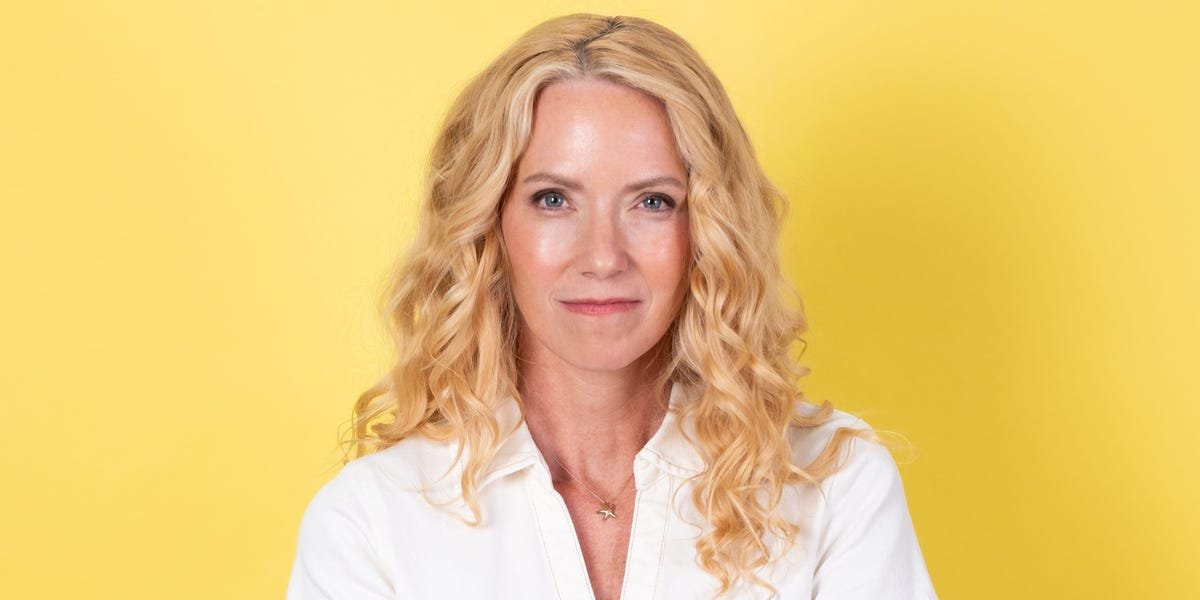


Suzanne Stone spends her days thinking about cancer — not just the disease itself, but what happens after a diagnosis.
As president and CEO of the Livestrong Foundation, she is constantly speaking with patients grappling with existential questions: “How do I tell my family? Can I go back to work? What is my insurance going to cover?”
The experience has shape how Stone thinks about her own health. At 56, Stone gets annual mammograms and examines her family history to understand her risk of colon, breast, and lung cancer.
She also follows some daily habits that, based on the latest research, she hopes will help reduce her cancer risk and improve her overall health.
Staying on top of her dental health
Stone takes her dental health seriously — flossing twice a day and using alcohol-free mouthwashes.
“It’s just another way to make sure that every system is working as best it can,” Stone said.
While there’s no proof that flossing reduces cancer risk, one 2026 report found a link between poor oral hygiene and elevated risks of developing various cancers. Some researchers believe that chronic inflammation, changes in the oral microbiome, and immune dysregulation may help explain this link.
She follows a mostly vegetarian diet
Stone, who’s been a vegetarian for about 15 years, tries to limit ultraprocessed foods, which are linked to higher risks of developing cancer. Including more plants and fiber in your diet is also linked to lower cancer risk.
“If you looked in my refrigerator right now, you would open it and see it’s almost empty,” she said. Part of that is because she travels a lot. But even when she’s home, she does it deliberately so she can always opt for the freshest produce.
Stone often buys fresh vegetables, nuts, hummus, baked potatoes, and salads. She usually makes her own salad dressing, with oil and vinegar, but if she has a salad kit, she only uses about half of the dressing if it’s cream-based.
“I just don’t drown my salad in dressing,” she said, which can contain additives when store-bought.
She also tries to listen to her body and eat based on how hungry she really is and what she’s really craving — whether yogurt or chocolate — to avoid preemptively stocking up on and overeating processed snacks. “I find that when I give it what it’s asking for, it feels great,” she said.
Strength training and cardio keep her in shape
Regular exercise is linked to greater longevity, including a reduction in cancer risk.
It can also improve your quality of life if you do get diagnosed. One 2025 study led by the American Cancer Society found that engaging in regular moderate-to-vigorous physical activity increased patients’ survival rates for various cancers.
Stone works out three or four times a week, opting for a blend of cardio, balance, and strength workouts, the latter of which also supports healthy aging post-menopause, when women start to lose muscle mass. She varies her activities, from 30-minute brisk walks and swims to Barre classes and paddleboarding.
She also listens to her body and doesn’t overexert herself so that she can stay consistent. “At 56, I can’t do the same workouts I was doing at 26 or even 46,” such as the sprint triathlons she did a decade ago.
Putting her phone on ‘do not disturb’ at night
Quality sleep is another common longevity hack.
To improve her sleep hygiene, she sets her iPhone to “Do Not Disturb” from 9 p.m. to 6 a.m. every day. While she still uses her phone as an alarm, she said the setting helps her remember to stay off it. She also usually turns off the TV around 9 p.m. and tries to read in bed instead.
The routine has helped her avoid reaching for her phone when she wakes up in the middle of the night. Instead, she sometimes finds that she rises before her alarm.
“That’s my favorite thing, when my body wakes up because I’m rested,” she said. To her, all these habits — sleep, exercise, diet, dental health — compound over time. “All of it is really one big package that I have to be really focused on to make sure that I’m staying healthy,” she said.
Read the full article here