





Every company in tech watches out for OpenAI. SB Energy can’t look away.
The data center developer filed its prospectus to go public on Monday, and it’s uniquely intertwined with the AI lab behind ChatGPT, according to figures from the new filing.
Everywhere SB Energy turns, there’s OpenAI: leasing data center capacity, owning billions of dollars in warrants, even locking in an OpenAI software deal through 2028. OpenAI, should it get a 5% ownership stake in SB Energy, will also get to pick a member of the company’s board.
SB Energy’s decision to go public signals the incredible expense in building new data centers and the rapacious demand for compute that OpenAI and its peers have generated over the last few years.
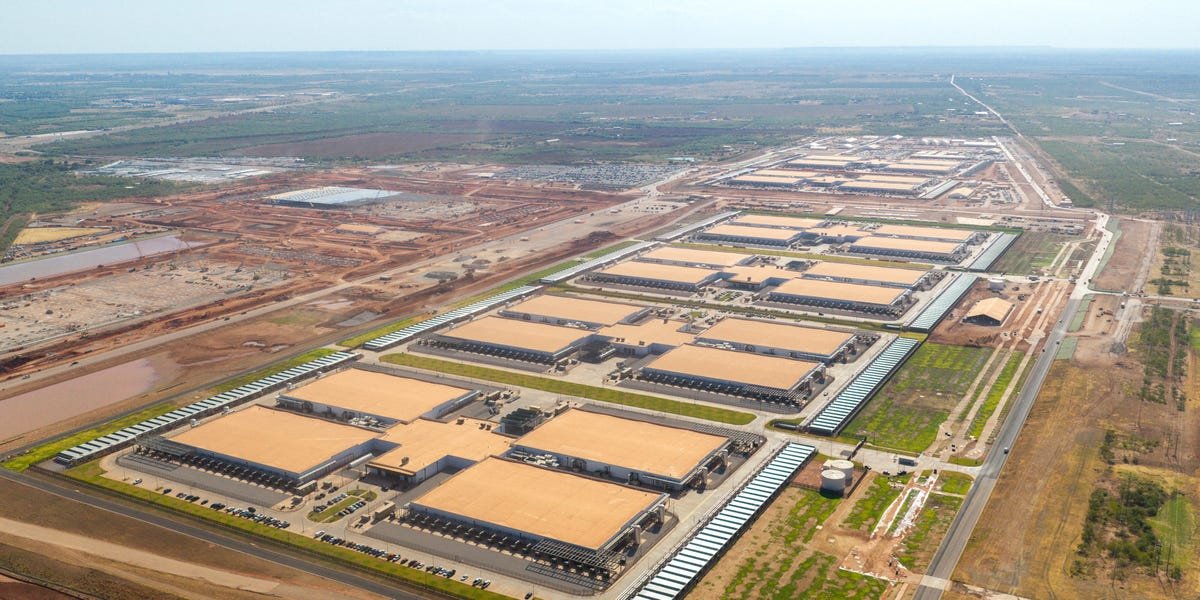
SB Energy is building its first two data center sites, both in Texas. One will be allotted to OpenAI, the other to the Japanese conglomerate SoftBank, which owns more than half of SB Energy. The developer has also planning to build a giant new data center in Southern Ohio, with help from OpenAI and Nvidia. That data center site, at a planned 8 gigawatts of capacity, is set to be among the world’s largest and serve OpenAI.
In the filing, the developer warns about the depth of its relationship with OpenAI, which has confidentially filed its own initial public offering prospectus and is expected to go public next year.
“We are dependent on OpenAI as our anchor data center tenant, representing a significant portion of our signed lease capacity, and any adverse change in OpenAI’s financial condition, competitive position or willingness to perform its contractual obligations could materially and adversely affect our business,” SB Energy wrote.
SB Energy declined to comment. OpenAI did not immediately respond to a request for comment.
OpenAI will have a stake of up to $5.5 billion
SB Energy is handing a chunk of itself to its biggest customer. The IPO prospectus says the company granted OpenAI stock warrants in early 2026, when the lab invested in SB Energy and signed on as a data center tenant. The deal will deliver pieces of SB Energy in various tranches, tied to the public offering and future valuation milestones.
Want more Business Insider in your news feed?
Add BI in Google so our reporting is easier to find when you’re searching for what matters.
When the warrants were issued, they were worth $3.6 billion, and that value has grown to an estimated $5.5 billion as of June 30, according to the filing.
The filing also says that, provided that OpenAI owns at least 5% of SB Energy’s stock, it can nominate a candidate to SB Energy’s board.
This style of arrangement is growing more common in the era of high-expense infrastructure buildouts, where OpenAI is rallying billions of dollars toward getting as much computing power online as possible. The company has struck deals with Nvidia, Google, Amazon, Oracle, AMD, and other tech giants, sometimes committing to spend with the same companies it’s taking investment from.
SB Energy and OpenAI have a batch of other commitments
A deal between SB Energy and OpenAI also gives the AI lab some other sweet perks, including rights to intellectual property.
SB Energy has committed to spending at least $50 million on OpenAI’s services, including ChatGPT Enterprise, through 2028.
OpenAI’s myriad ties to SB Energy could be a conflict of interest, the filing said. It says that SB Energy’s board might find it difficult to enforce lease obligations against such a significant investor, and that OpenAI’s interests as a tenant may “diverge” from its interests as a warrant holder.
In a section about the company’s risks, SB Energy writes, “any disruption in our relationship with OpenAI could impair our financing arrangements, limit our development flexibility, and materially and adversely affect our liquidity and the value of our common stock.”
Have a tip? Contact this reporter via email at scouncil@businessinsider.com, or over text, Signal, Telegram, or WhatsApp at 415-757-8198. Use a personal email address, a nonwork WiFi network, and a nonwork device; here’s our guide to sharing information securely.
Read the full article here