









Amber Comber, a single mother of two twentysomething sons “eating me out of house and home,” had hit a rough patch.
Comber, now 53, was an assistant manager at The Fresh Market’s Charlotte, North Carolina, store when she started scraping and pinching to buy a home.
“It was hard, with the mortgage and the taxes and all the things,” Comber said. Shortly after she bought her home, she and her sons went away for the weekend, and returned to discover the refrigerator, fully stocked with brand-new food, had stopped running.
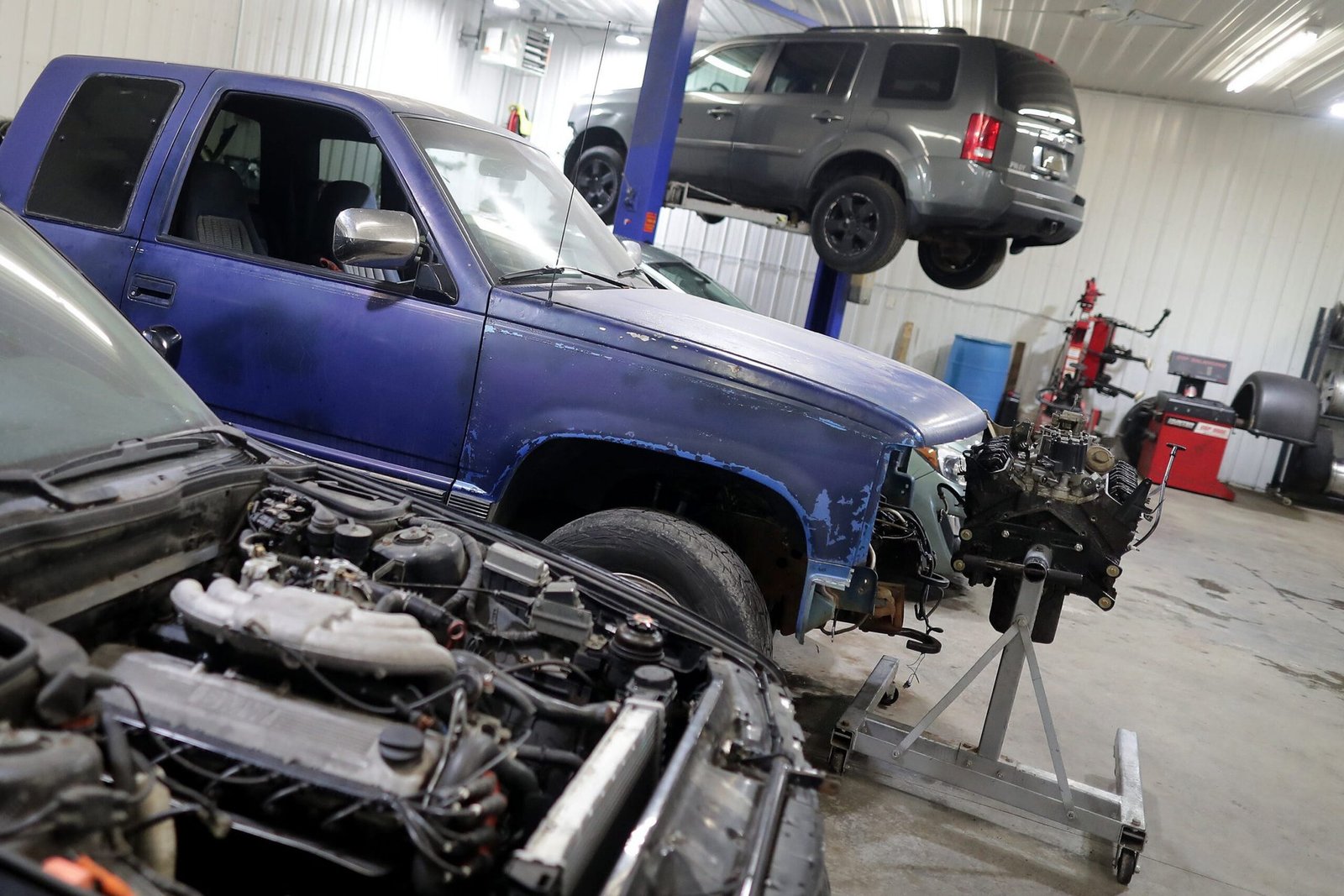
Shortly after, Comber’s car broke down.
She had a small amount of savings, but the combination of the unexpected expenses forced her to dip into her 401(k) account. After that experience, “I just wanted to have an emergency buffer,” Comber told USA TODAY.
For Comber and thousands of other Americans, that hoped-for buffer is now a reality. Their employers offer workplace “Emergency Savings Accounts,” allowing a portion of each paycheck to be diverted to a bank account dedicated to exactly what it sounds like — a broken-down car, a medical emergency, or unexpected school uniform expenses.
One of the entities that helped turn an idea into those accounts was a partnership called the Emergency Savings Initiative (ESI), between asset manager BlackRock and Commonwealth, a national nonprofit focused on financial security.
A 2019 publication from the Federal Reserve was one of the motivations for the accounts. The Report on the Economic Well-Being of U.S. Households explained “many adults are financially vulnerable and would have difficulty handling an emergency expense as small as $400.”
That was a wake-up call for executives at BlackRock.
“It led us to step back and say, ‘You know, we’re committed to long-term wealth creation for families and individuals,’” said Claire Chamberlain, president of The BlackRock Foundation, the company’s philanthropic arm.
“But if people can’t make the day-to-day work for them, if they’re struggling paycheck to paycheck, it’s tone deaf to talk about 30 and 40 years out,” Chamberlain said in an interview.
Savings Accounts Make People Better Savers
The ESI estimates that some 22 million Americans are eligible for emergency savings accounts as a workplace benefit. The group does not have data on how many accounts there are, but multiple large employers, including Delta Air Lines, AutoNation, Best Buy, and Starbucks, offer them. Some, but not all, contribute to their employees’ accounts.
When a worker opens an account, it is funded with a portion of the worker’s paycheck, just like a workplace retirement account is. Those funds accumulate in an account designated as “savings,” so users are reminded to tap it for real needs, not indulgences. But Emergency Savings Accounts aren’t tax-advantaged, like many retirement plans and some health care accounts are.
One of the ESI’s most important lessons has been that workers who contribute to an emergency savings account don’t cannibalize their paychecks for those expenses. Instead, they become better retirement savers as well.
According to a report shared first with USA TODAY, as of 2025, among participants who were not yet saving for retirement, 20% of emergency savers began contributing to a 401(k) for the first time after initiating emergency savings. Among those who opened an emergency savings account, more than 52% started contributing to retirement within four months.
Those developments have helped create an additional $3.5 million in new retirement contributions, the report estimates.
Saving Is a Dynamic Process, Not One-and-Done
The accounts have been so helpful for so many people that they have prompted a rethink of how to save. While conventional wisdom had long been that consumers should build up a certain level of savings — six months’ worth of living expenses, for example — those who study the accounts now consider saving to be a dynamic process of paying in, withdrawing, and then replenishing.
“We like to send a message that you got to build it up so it’s there when you need it, but it’s actually really great if you draw it down,” said Timothy Flacke, Commonwealth co-founder and CEO.
That’s exactly how Comber — now store director, after a promotion — has used it.
“It was nice to see the money growing,” she said. “It was such a comfort. I can watch it accumulating. I just have to access it, say, maybe once a year for an emergency. I dip into it, and then I build it back up.”
‘No Silver Bullet’ for Better Financial Lives
A final benefit has been how the accounts help employers assist their workers in achieving a bit more stability. That can help with morale, attendance, and retention. And those involved with the ESI say it’s a small thing that punches above its weight.
“There is no silver bullet to help us all have better financial lives,” Flacke told USA TODAY. “But if there was one thing to focus on, boy, having that cushion of cash really makes a difference. It is versatile. It is immediate. It builds people’s sense of dignity that they have control, that they can respond to life without having to go borrow money or ask for somebody’s help.”
And in the high-inflation economy of today, a savings cushion might be more useful than ever. In May, one of the providers of the accounts, a company called SecureSave, shared with USA TODAY proprietary data showing how many account holders were using their savings to cover transportation costs that were surging because of global economic pressures.
“What we have found is that it’s these little things that trip people up,” SecureSave CEO Devin Miller said at the time — not necessarily job loss or major health events, but often very mundane items.
Even up against such stacked odds, the average household can benefit from taking small steps, Chamberlain said. “Allowing people to set it and forget it can be very powerful,” she said.
Read the full article here