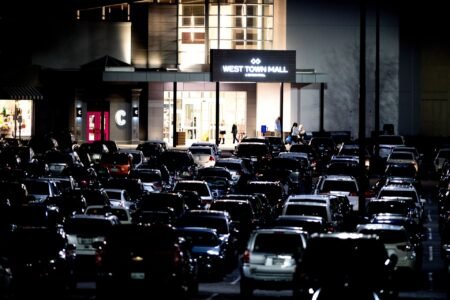







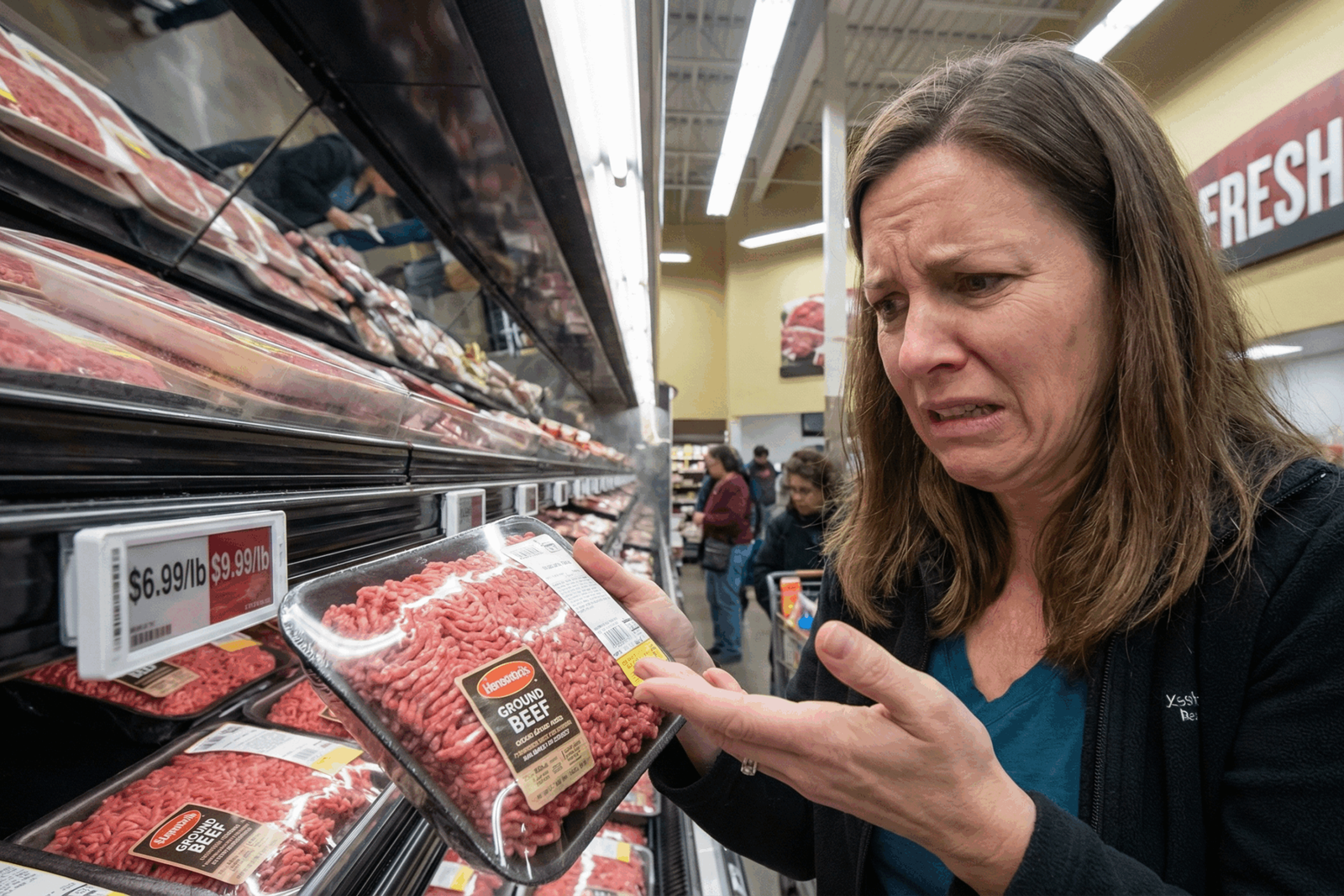


It’s 5:30 p.m. on a Tuesday. You grab a rotisserie chicken and a carton of eggs. The price tag on the shelf isn’t a piece of paper anymore; it’s a small digital screen.
You probably check the price, toss the item in your cart and keep moving. But here’s the question you should be asking: Did you pay the same price as the person who bought these items at 10:00 a.m.? Or are you paying a premium because you shopped during rush hour?
For decades, grocery prices were static. A store manager set a price, an employee stuck a paper label on the shelf and that price stayed put for a week. Now, prices can change in seconds.
Welcome to the era of dynamic pricing.
The end of the paper tag
The shift from paper to pixels is happening faster than many shoppers realize. Walmart is currently moving aggressively toward its target of installing digital shelf labels (DSLs) in 2,300 stores by 2026.
This is not just a cosmetic upgrade. These labels are connected to a central operating system that allows the retailer to update 120,000 price tags across a store in minutes rather than days.
Retailers say this is about efficiency. It frees up employees who used to spend countless hours manually swapping out paper tags, allowing them to focus on stocking shelves or helping customers. They also argue it ensures accuracy, reducing the frustration of seeing one price on the shelf and another at the register.
See “12 Secret Shopping Hacks That Walmart Doesn’t Want You to Know.”
However, consumer advocates see a different potential for this technology — one that places the burden on your wallet.
The risk of surge pricing
The biggest concern surrounding digital tags is the potential for surge pricing. Many are already used to this with ride-sharing apps like Uber or airline tickets, where prices fluctuate wildly based on demand.
In a grocery environment, this could mean the price of ice cream jumps up on a hot Saturday afternoon or the cost of chips rises hours before the Super Bowl.
Regulators are watching closely. The Federal Trade Commission and lawmakers like Sen. Elizabeth Warren (D-Mass.) have raised alarms about surveillance pricing. This involves using algorithms to hike prices on essential goods based on peak shopping times or even a consumer’s personal data history.
Stores deny the surge
It’s important to note that retailers strongly deny they’ll use this technology to raise prices during rush hour.
Walmart executives have stated clearly that the digital labels are not designed for dynamic pricing and that they have no intention of changing prices hourly. Similarly, Kroger has stated that any testing of digital tags is designed to lower prices for customers, not raise them.
However, while their current policy may be to avoid surge pricing, the capability is now built into the infrastructure. Policies can change faster than hardware.
How to protect your wallet
You cannot stop the technology from rolling out, but you can change how you shop to ensure you aren’t overpaying.
For more strategies on lowering your food bill, see “8 Easy — but Often Forgotten — Ways to Save on Groceries.”
Dynamic pricing on groceries hasn’t happened yet, and it may never happen. But if it does, here’s how to fight back.
1. Perform an app audit
Before you toss a high-ticket item into your cart, take 10 seconds to scan it with the store’s mobile app.
The online price listed in the app often acts as an anchor price. If the digital shelf tag is higher — perhaps due to a temporary in-store surge or a local adjustment — most major retailers will match their own online price at the register.
Never assume the price on the shelf is the best one available, even inside the same store.
2. Use the timestamp defense
One of the frustrating glitches with digital tags is that they can update while you are walking to the register. You might grab a clearance item marked $15, only to have it ring up at $25 because the system refreshed.
If you see a significant deal or a clearance price on a digital tag, take a photo with your phone immediately. A timestamped photo is your only proof of the price you saw 10 minutes ago. If there’s a discrepancy at checkout, show the cashier the photo.
3. Watch the unit price flip
Digital tags allow stores to change how information is displayed instantly. A common confusion tactic involves toggling the “unit price” metrics.
For example, a tag might usually display the price per ounce, which makes it easy to compare different brands of coffee. But during a price adjustment, the tag might switch to “price per item” or “price per pound,” breaking your ability to make a direct comparison.
If the math looks difficult, it might be by design. Pull out your calculator and double-check the real cost.
See also: “10 Store-Brand Products We Buy Over and Over Again.”
Technology works for the store, not you
Innovations in retail are almost always designed to streamline operations and protect profit margins. While digital tags reduce labor for the store, they introduce new variables for the shopper.
Don’t trust the screen blindly. Use the app, take the photo and watch the register screen like a hawk. The price isn’t final until you pay it.
Read the full article here