







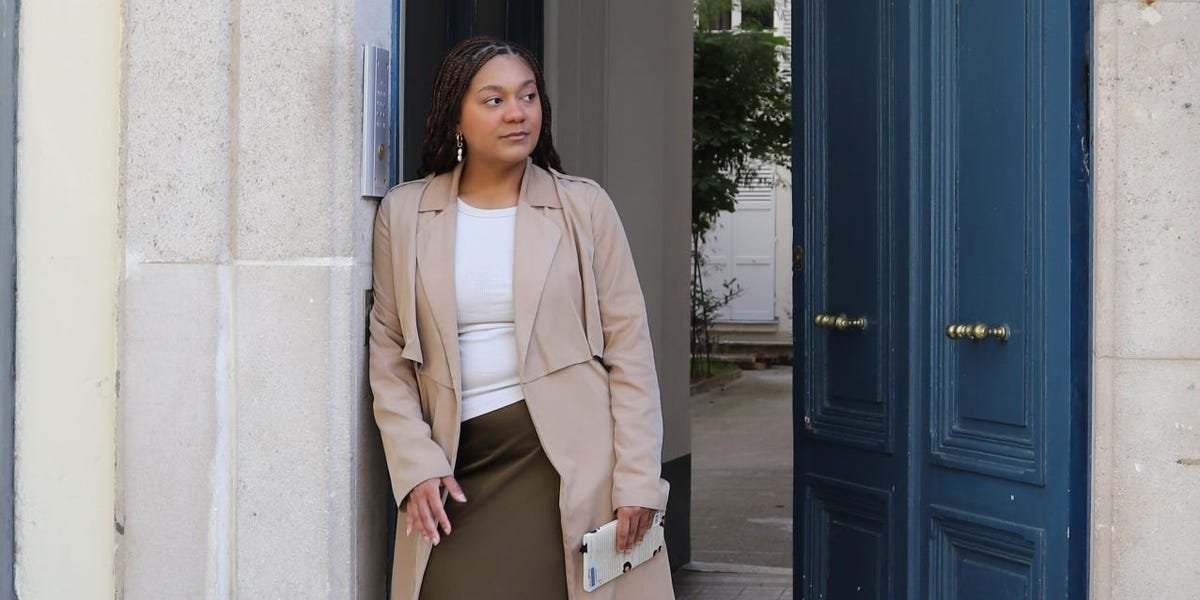


When I moved to Paris from the US in the winter of 2024, I rather foolishly believed the transition would be easier.
After all, despite needing a visa to live here as a non-EU citizen and the main spoken language being French, Paris itself is not that different from my hometown of New York City.
The metropolis is extremely walkable; it has a reliable, well-connected metro system that runs through the entire city; there is no shortage of highly-rated restaurants and bars to discover, let alone cultural activities to partake in; and the population is largely international and diverse.
Additionally, the city has a buzzing energy that consumes you and makes you believe anything is possible — with enough beauty to bring a smile to your face even on gloomy days.
Nevertheless, despite these similarities, I overlooked some major challenges I might face as an immigrant living outside of my native country.
In addition to the procedural nightmare that is navigating multiple visa processes, living in Paris has provided a slew of personal tests—many of which I’m still working to overcome.
Making friends has been difficult, despite the city’s thriving expat community
A consequence of moving to a new city is having to rebuild your community from the ground up.
Given France’s large population of American expats — more than 100,000 US citizens are estimated to reside in the country — I thought it would be easier to find community in my adopted home.
After two years of living in Paris, though, I’m still working on finding my core people.
In an effort to make friends, I have been leaning more into my personal interests by attending book signings and talks, joining writers’ groups, taking group fitness classes, and enrolling in a French course.
Taking on various part-time jobs during my time here has also provided avenues for meeting new people; additionally, social media has been pivotal for connecting with other writers and artists in Paris.
Although building friendships in adulthood is difficult no matter where you live, I’m grateful for the chance to connect with new people with shared interests and backgrounds.
Making connections with other expatriates has also helped me understand that I’m not alone in my feelings; others are also dealing with similar fears and anxieties of being an expat.
I’m not yet an expert on all the bureaucratic systems, and may never be
France is known for its slow-moving bureaucracy, and in my experience, it can take several months to get important documents, like a titre de séjour (residence permit).
I feel like I barely have enough time to enjoy my new residency card before I’m having to reapply for a new visa. Perpetually being in limbo when it comes to my residency status in France has caused me continual anxiety and stress, and often makes me question my sense of belonging here.
Navigating the healthcare system in France has also been a challenge. Contrary to popular belief, healthcare in France is not free, but it is heavily subsidized.
If you’re a carte Vitale (national health insurance card) holder, the state covers a base percentage for health services, but some private physicians charge additional fees that may not be covered. In some cases, though, a mutuelle — a private supplemental health insurance — can help cover costs not reimbursed by the public system.
My unfamiliarity with the different tiers of health services has already cost me. For example, I was recently charged over 100 euros for a routine service that, according to local friends, is usually less than half that price and should’ve been covered by the national healthcare system.
Learning to grasp France’s various bureaucratic systems is just another hurdle that I navigate as an immigrant. Nevertheless, it does help to have friends who have mastered these systems, or at least maneuvered them before, to provide guidance.
I’ve had to temporarily halt my career, and it’s made me question my identity
As an English-language journalist living in a country where English is not the primary language, I have had to hit pause on my métier (profession) while living in France.
While I do continue to write for US publications as a freelancer, my main source of income is not, in fact, journalism and it has made me question the identity I have held so tightly for the past six years.
I have held various roles while living in Paris, including being a part-time nanny, au pair, a pilates-studio receptionist, and, most recently, a sales assistant.
Although these roles have been great for improving my French proficiency and providing steady earnings, they have also steered me away from my long-term goal of being a writer.
At times, I question if living in my dream city is worth sacrificing my dream job. Who would I be if I had to suddenly change direction in order to continue living in the country I would like to call home?
I have toyed with various alternative careers: a florist, interior designer, and even a content manager — all professions that interest me, but don’t feel equally as fitting as storytelling does.
In my heart of hearts, I know that writing not being my main source of income doesn’t suddenly erase my identity as a writer.
Nevertheless, if I am to continue enjoying my life in Paris, I will have to find a way to make writing my main profession. Otherwise, living in this beautiful city without being able to pursue the career of my dreams feels a bit like being a prisoner in a glass castle.
Read the full article here