








The email arrived on a Monday morning. I was at the study desk, the one my husband built before I moved here, in a house that still feels more his than mine.
As soon as I saw the email’s subject line, I knew what was inside: a warm message letting me know that the team would be moving forward with another candidate.
When I pressed for feedback, the recruiter explained that they had found someone with stronger experience in the Australian market. The rejection felt entirely logical, but also hard to absorb.
The role was entry-level; meanwhile, I have 10 years of professional experience as a writer, editor, and communications specialist.
I knew that moving countries would mean a grueling job hunt, but I didn’t fully understand how disorienting it would be to have a decade of work suddenly feel like it doesn’t quite count.
It feels like I need local experience to land a job, but I need a job to gain local experience
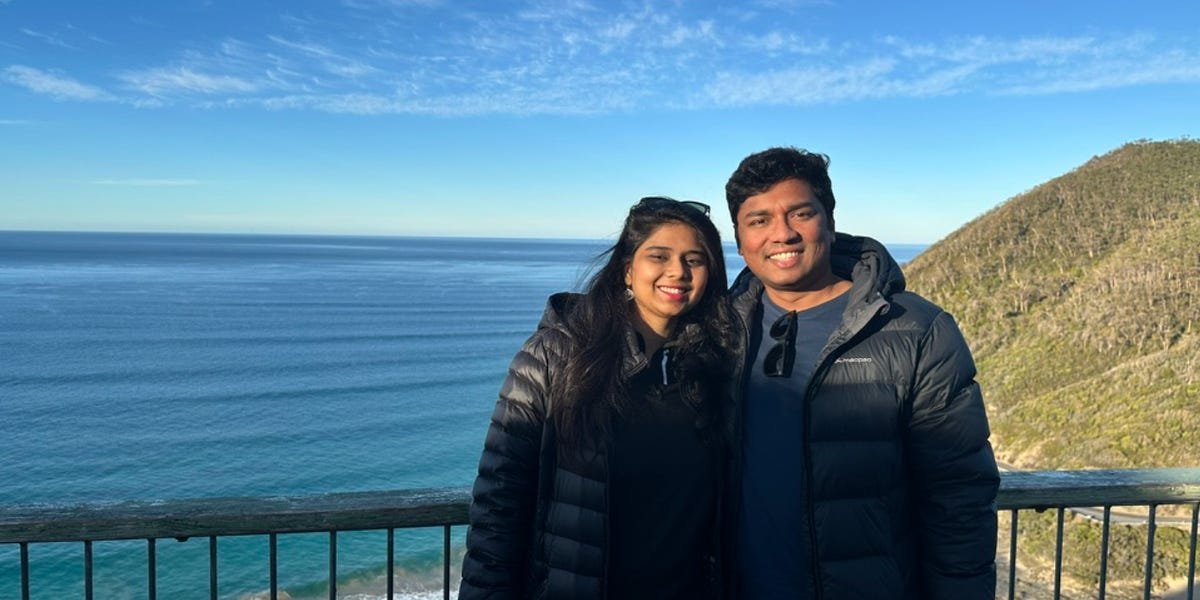
I moved to Melbourne in January after marrying my husband, who has been living here for nearly two decades.
We’d been in a long-distance relationship between India and Australia for over a year, and my eventual move was something we’d planned throughout our relationship. I arrived on a bridging partner visa, which would give me full work rights.
I’d planned my move well. What I hadn’t planned for was how challenging a career transition would be.
For most of my career, I’ve worked in India. However, nearly every job listing I’ve encountered here asks for demonstrated experience engaging Australian stakeholders, familiarity with the Australian media landscape, or a track record of pitching to local news outlets.
The subtext feels consistent: Prove you already understand how this place works before we let you work in it.
I understand the logic, as someone who’s hired people myself. I know managers want someone who can hit the ground running, but it still stings. I am 31 — mid-career by any measure — and it feels like I have to begin again from scratch.
I’ve since learned there’s a term for this kind of professional mismatch: underutilization. A 2024 Australian report conducted by Deloitte Access Economics found that almost half of the country’s migrants are working below their skill level.
The problem is structural. Employers want local experience, but local experience requires local employment.
My job hunt is affecting how I see myself, but connecting with people here has helped
For the first time in my adult life, I’m financially dependent on someone else. My husband is kind about my situation, and reassures me every day that things will start looking up — but financial dependence, even in a loving and equal partnership, feels isolating.
Over the past five months, I’ve realized that work is not just a source of income for me. It’s how I structure my day and stay motivated. It’s how I introduce myself to new people. Losing that, even temporarily, has felt scary.
In the evenings, I scroll through LinkedIn and watch former colleagues get promoted, start businesses, and announce their successes.
I’m not envious, exactly, but there’s a sense of fear and grief that comes with watching everyone else move forward while I stand still.
In the absence of a job, I’m trying to make the waiting feel productive.
As someone who’s written about work and careers for most of my professional life, I’ve always understood — at least intellectually — that careers are built through relationships as much as credentials.
Moving abroad has forced me to understand what that actually looks like in practice.
Over the last few months, I’ve reached out to communications professionals, consultants, and my partner’s friends across Australia. A lot of my cold outreach has gone nowhere, but some emails have led to useful advice and warm introductions.
Others have simply helped me understand the unspoken rules of a professional culture I’m still learning.
Sometimes, it feels strange to ask questions that might feel basic for someone at my career stage, but I’ve come to think of networking as less of a job-search tactic and more as a way to find community and rebuild my confidence.
Talking to other immigrants and professionals who’ve been through similar transitions has also shown me just how common my experience is, and how much slower and messier finding work in a new country can be.
I’m still finding my footing
This chapter has also helped me see my life beyond the job search.
After all, my previously long-distance husband and I are finally building a life in the same place. I have a neighborhood I’m starting to know by feel, morning walks I look forward to, and a city I’m learning to navigate a little better each day.
These may seem like small things, but they’re helping Melbourne feel more familiar.
I still don’t have a job, but what I do have is a clearer understanding of what rebuilding a professional identity in a new country actually requires: patience, humility, and more coffee catch-ups than I ever expected.
Read the full article here