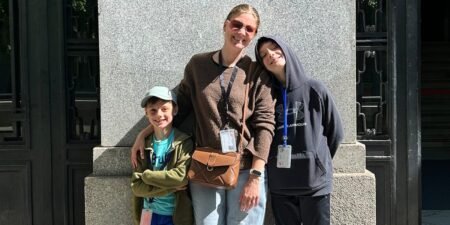










This as-told-to essay is based on a conversation with Sarah Guller, the 25-year-old cofounder of makeup brand Forta, based in the Bay Area. Her previous employment and identity have been confirmed by Business Insider. This story has been edited for length and clarity.
I started at Stanford when I was 17. I kind of got shepherded into finance and became locked into a path that I didn’t know much about.
I graduated in 2022 and was able to skip banking and go straight into a growth equity firm in Boston, which is unusual. I stuck it out for two years and then moved back to California to do a similar job at a different company. It was an amazing learning opportunity and a great job, but I got burned out very quickly.
I didn’t cook a meal for myself once those first two years. My hair started falling out. I missed family birthdays. I worked past midnight most of the time. I don’t think I went to a gym once the first two years.
I wasn’t happy, but I was getting a $346,000 salary and felt like I should be happy. It felt wrong to complain about a job that all my friends were asking how I landed. It was a silent struggle for a while.
Two and a half years ago, one of my best friends from Stanford who played in the WNBA wanted to do something entrepreneurial. As an athlete, she sweats her makeup off. At the time, I was investing in beauty brands. There were hundreds of beauty brands but nothing mainstream around performance. We felt like the right team to do it.
For a while, I still had my golden handcuffs and was in a cycle of waiting for my next bonus. Finally, I hit a point where my mental health was in the gutter, and I needed to do something about it.
Eight months ago, I quit, and went all-in on the brand. We built it from scratch and launched it a month ago.
Quitting was a roller coaster — and the founder lifestyle isn’t glamorous
I went from having every hour of my day programmed to having full autonomy over my schedule. As a founder, there’s always work to do, but there’s no one to tell me to do it or give me deadlines. Keeping myself accountable was a big learning moment.
It was definitely an adjustment. My cofounder and I both used our own savings for the design, logo, brand assets, brand identity, and our first purchase order. We quickly realized how expensive those are. A minimum order quantity is around 10,000 units, which cost roughly $17,000. We raised a friends and family round of funding which helped.
I’m working almost the same hours as I was in PE, but making a fraction of of my last salary. I didn’t even know what to do with the money I was making when I graduated college. I was going on all of these trips and buying designer items. I became comfortable not checking the price tag.
Now, I say “no” a lot. I don’t eat out or shop as much. It’s not glamorous.
I would rather try something
People thought it was crazy to jump full time into this and I still have doubts about quitting. If we have a slow day of sales, I’m like, “What am I doing?”
But I’ve always wanted to take advantage of the life I was born into. My parents are immigrants from India and my dad was born in a village without electricity. I’m the first woman in his bloodline to go past elementary school.
I would rather try something and it not work out, than be on my death bed and think “I slaved away at a corporate job my whole life and will never know what I could have done if I believed in myself.” That regret would haunt me.
Even though I’m working similar hours, it’s for myself and it’s for something I’m excited about. I also have much more flexibility and that’s why I’m not dealing with burnout. I do pilates every day and I get to take mid-day classes. I cook all my meals and I’ve realized how much of an impact eating healthy, homemade meals has on my mental health.
I have two 16-year-old twin siblings and it’s been nice to spend time with them and go to their sports games on a weekday. They’re heading off to college soon and we’ll probably never get that much time together again.
On a practical note, people take time off for business school or sabbaticals all the time. Worst comes to worst, I can go back into working.
I recognize I have a lot of privilege. My family lives here and I’m not at risk of losing a home. But for the moment, I have no contingency plan. It could all flop, but my eggs are in this basket.
Read the full article here