






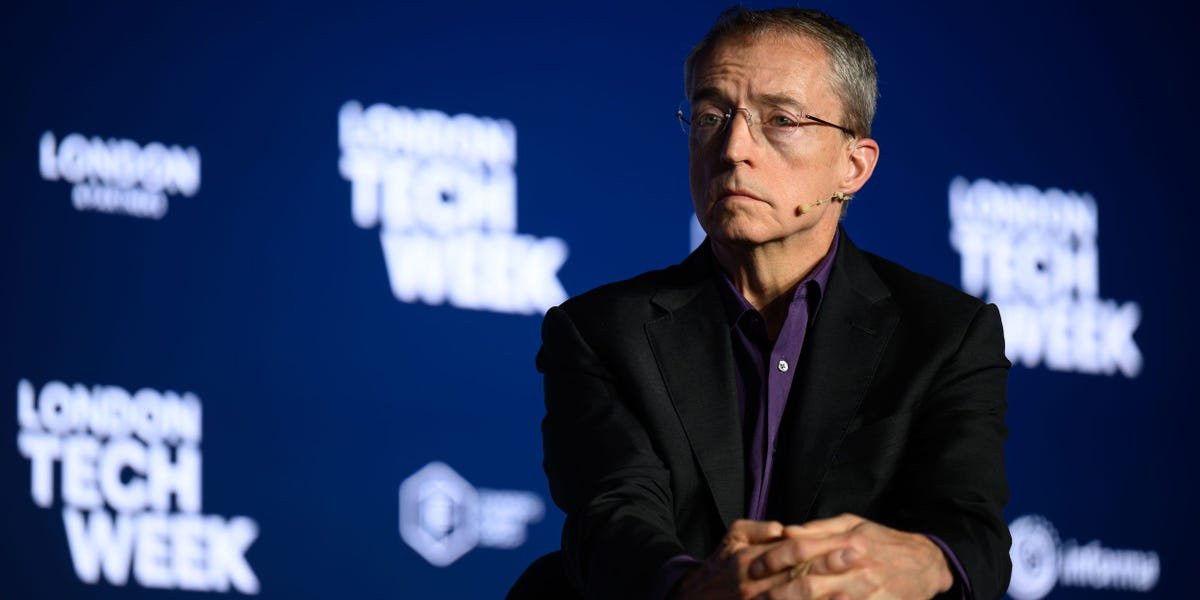


Former Intel CEO Pat Gelsinger says he has a hunch when the chipmaker’s downfall began.
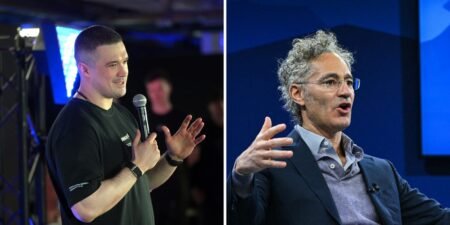
“I think one of the fundamental things is, and as you look at the great technology companies today, they’re deeply technical,” Gelsinger told “All-In Podcast” cohost Jason Calacanis during an interview taped at the Raise Summit in Paris.
Gelsinger said when he returned to Intel in 2021, he “was the first technical leader in essentially 15 years associated with it.” The former Intel chief said his predecessors had the wrong background.
“When you’re making these hardcore technical decisions that affect billions of dollars, you don’t do that through a spreadsheet,” Gelsinger said. “That’s a lousy investment unless the technology trends make it the right investment.”
Paul Otellini, who led Intel from 2005 to 2013, was the first non-engineer to lead the company, coming from the business side. Brian Krzanich, who has a degree in chemistry, replaced Otellini after working his way up from his start at a chip factory in New Mexico, and later spent decades working on manufacturing issues. Bob Swan, the final executive before Gelsinger took over, had spent decades in top financial positions, including as CFO of eBay and HP Enterprise Services.
Gelsinger also took issue with the amount of money Intel spent on dividends and shareholder buybacks before he took over. According to Intel’s financial filings, the company sent back roughly $79 billion to shareholders through stock buybacks and dividends from 2015 through 2020.
“What I wouldn’t have done for another hundred billion dollars on the balance sheet?” he said.
Once a dominant player, Intel declined amid the rise of companies like TSMC and Samsung. As Reuters recounted, Intel’s leaders made fateful decisions that led to the company ceding ground to once smaller competitors like ARM and Advanced Micro Devices (AMD).
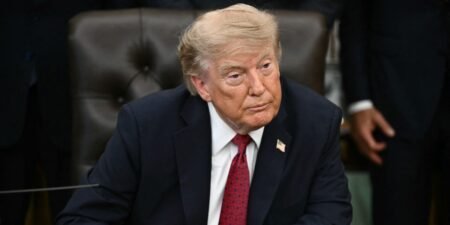
Intel’s standing has improved drastically over the last year, following President Donald Trump’s controversial decision for the US government to take a roughly 10% stake in the company. Nvidia, another of Intel’s competitors that has surpassed the chipmaker, also bought over roughly $5 billion worth of Intel shares in a deal announced last September, giving the world’s largest company by market cap a roughly 4% stake in Intel.
Shares of Intel are now up more than 330% over the past year, thanks to both announcements. Intel has taken a dive over the last month, though, as traders weigh concerns about the company and the broader AI buildout.
Trump’s move to take a stake in Intel continued a broader bipartisan push for the US to onshore more domestic advanced chip production amid concerns that TSMC’s base in Taiwan is too vulnerable to Beijing’s potential actions.
Gelsinger warned of the potential risks if China were to ever completely cut off energy to the island, which it still considers part of its territory.
“When you turn off a fab, it doesn’t come back on for 90 days,” he said. “The economic impact of a brownout of Taiwan is greater than the Great Depression in the world.”
Read the full article here