








Kevin Warsh can’t change his LinkedIn job title just yet.
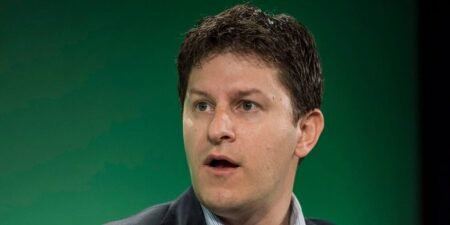
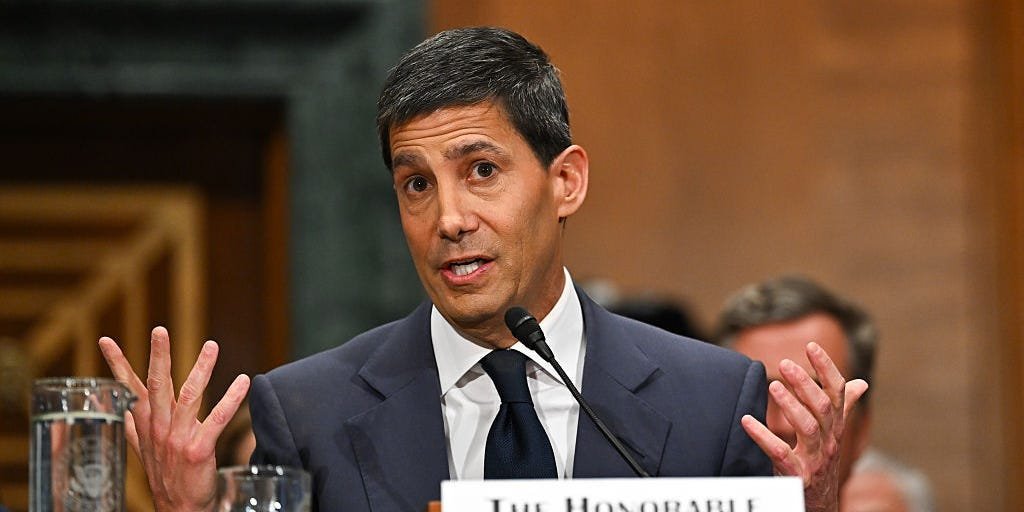
The former Wall Street executive joined the Senate Committee on Banking, Housing, and Urban Development on Tuesday to discuss his qualifications — and pending confirmation — as the chair of the Federal Reserve. Lawmakers asked about Warsh’s policy outlook, his loyalty to President Donald Trump, and his recently released financial disclosures.
From personal finance to political pressure, here are Business Insider’s biggest takeaways from the hearing.
Senators worry Warsh will be a ‘sock puppet’
Warsh’s confirmation isn’t a sure thing. Lawmakers across the aisle have expressed concerns about the future of Fed independence, especially as Trump has vocally pushed for steeper rate cuts. A recent Department of Justice probe into current Chair Jerome Powell raised alarm bells about political interference — and Senator Elizabeth Warren is concerned that Warsh will become a “sock puppet” for Trump.
“The Senate should not be aiding and abetting Donald Trump’s illegal takeover of the Fed by installing his chosen sock puppet as chair,” she said. “It’s an invitation for corruption and for economic catastrophe. We have the power to stop it, and we should be using that power.”
Both Democrats and Republicans asked for assurance that Warsh will not make future policy decisions based on the president’s desires.
Republican Thom Tillis renewed his vow to oppose all Trump nominees to the Fed chair position until the DOJ probe is dropped, but he said he likes Warsh as a candidate.
If confirmed, Warsh emphasized that he won’t bend to political pressure.
“I do not believe that independence of monetary policy is threatened when elected officials state their views on rates,” he said. “Fed independence is up to the Fed. That has three implications: First, Congress is tasked with the mission to ensure price stability. Inflation is the Fed’s choice. Second, Fed independence is at its peak in the conduct of monetary policy. And third, the Fed must stay in its lane.”
Warsh is bullish on AI
Fed chairs must carefully balance the dual mandate of maximum employment and stable prices. Warsh has a reputation for being tough on inflation, but he said his outlook is more future-focused than Powell’s. He said he won’t make major policy changes based on short-term geopolitical conflicts or supply shocks.
At the same time, Warsh told senators that AI growth — both in data center investment and in changes to the job market — could give a welcome boost to the economy.
“Something that I really do believe is that AI is a testament to American ingenuity,” Warsh said. “The United States is the best-positioned country in the world to take advantage of it so that the US economy and US workers benefit from it.”
Not all lawmakers agreed, with some saying AI disruptions could make life more unaffordable for American households. “What I don’t want to see is us use AI as an excuse for making good policy — too many families’ lives depend on this,” said Senator Lisa Blunt Rochester.
As Powell often says, “We’ll need to wait and see.”
The wealthiest Fed chair in history
After being submitted to the Senate committee days late, Warsh’s financial disclosures show he is worth well over $100 million. In 2025, he earned money from consulting, speaking gigs, and investment in the prediction market platform Polymarket.
If confirmed, it’s likely that Warsh would be the wealthiest chair to ever lead the central bank. He is also married to Jane Lauder, a member of the billionaire family behind the cosmetics giant Estée Lauder.
Some of his investments, however, remain undisclosed due to confidentiality agreements. Notable investments include two assets in the “Juggernaut Fund, LP” worth at least $50 million each, along with roughly 60 assets associated with THSDFS LLC, each worth at least $22 million.
Senator Warren asked Warsh at the hearing if any of these undisclosed investments are tied to Trump’s business interests, money laundering schemes, Chinese-controlled companies, or the Epstein estate.
Warsh did not answer directly but said he would divest from any potential conflicts of interest before taking an oath as chair. In a deal with the Office of Government Ethics, Warsh said he agreed to divest within 90 days of confirmation.
Senators still need to vote, and Powell will remain as chair until at least May 15.
“We’ll try to keep politics, if I’m confirmed, out of the Federal Reserve,” Warsh said.
Read the full article here