






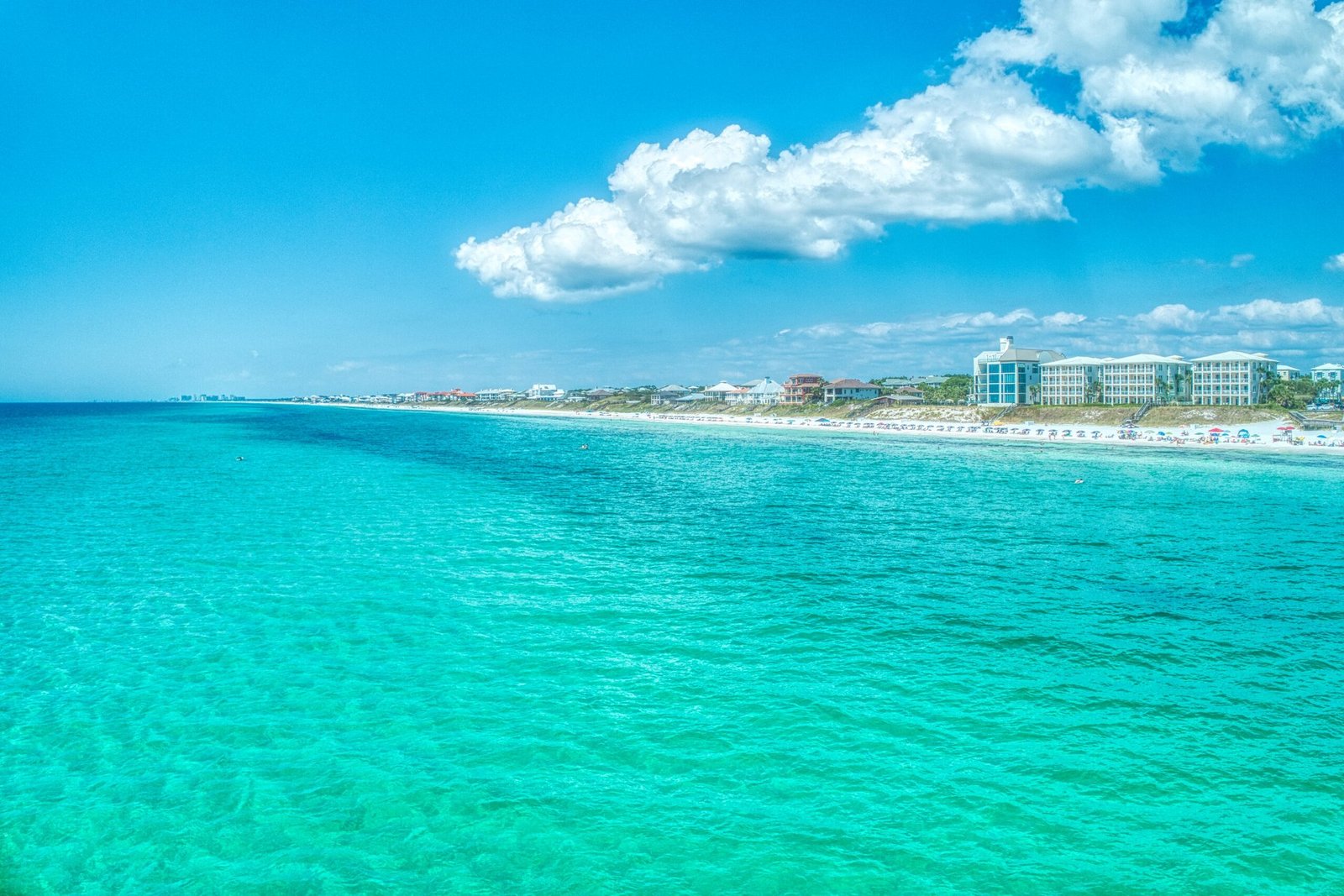


I sit on the back porch of my waterfront home in Fort Lauderdale, watching the boats go by, and it certainly looks like paradise. I bought my place here in 2001 for $440,000. Today, Zillow tells me it’s worth north of $1.5 million.
I’m living the dream. But the reality of living here has become a nightmare for many.
For decades, the “Florida plan” was simple: You endured the northern winters, saved your money, and in exchange, you got to retire to a subtropical tax haven.
But if you look at the math in 2026, that deal is dead.
Florida has gentrified into a luxury product. If you are planning your retirement based on data from five years ago, you are walking into a financial trap. Here’s why the math no longer works for the middle class.
1. The condo market is a ticking time bomb
For generations, the humble condominium was the gateway to a Florida retirement. It was the $150,000 slice of sunshine with a $300 monthly maintenance fee. But after the tragic Surfside building collapse in 2021, the state passed Senate Bill 4-D, a law that fundamentally broke the economics of condo ownership for the middle class.
Before this law, condo boards—often run by retirees on fixed incomes—could vote to waive saving money for major repairs to keep monthly fees low. That option ended on Dec. 31, 2024. Now, thousands of buildings are legally required to fully fund decades of deferred maintenance immediately.
The result is that condo HOA fees are suddenly surging. I see owners waking up to special assessment bills for $50,000, $80,000, or even $100,000 per unit, due in weeks, not years. These assessments are for unsexy but mandatory things like structural waterproofing and roof replacements.
If you can’t pay, you face foreclosure. If you try to sell, you find that many buyers won’t touch a unit with a looming assessment. This has caused inventory to skyrocket by over 50% in some areas, creating a glut of “un-sellable” condos that are rapidly losing value.
2. Insurance is a second mortgage
Even if you own your home free and clear, you never really stop paying for it here. My own bills are a painful example.
I pay about $2,500 a year for basic homeowners insurance, but that’s just the start. My separate windstorm policy is another $5,000. And my flood insurance? It just jumped from $500 to $1,200. That is nearly $9,000 a year just to insure the structure, before I even pay a dime in property taxes.
It gets worse for newcomers. To save the state-backed insurer, Citizens, from insolvency, Florida initiated a “depopulation” program. If a private insurer offers you a policy within 20% of your Citizens rate, you are forced to accept it. You lose the ability to shop for the best price, often getting forced onto a more expensive plan with a smaller, unproven company.
And then there’s car insurance. I’m paying nearly $5,000 to insure two normal vehicles. Florida drivers pay 44% more than the national average due to high accident rates and rampant litigation fraud. Between house and car, a retired couple can easily spend $1,500 a month just on premiums. That’s a mortgage payment for a house you supposedly already own.
3. The ‘newcomer tax’ is real
This is the part nobody tells you in the brochures. Florida has a property tax cap called “Save Our Homes” that limits how much the assessed value of a primary residence can rise each year (capped at 3%).
Because I bought my house in 2001, my tax bill is based on a value far lower than my house’s actual $1.5 million market price. But if you move here tomorrow and buy the house next door to me for $1.5 million, your taxes reset to full market value.
While I pay $10,000, you could easily pay $25,000 or more for the exact same county services. You are effectively subsidizing the retirement of the people who got here before you.
4. The ‘climate tax’ is draining bank accounts
The brochures promise year-round outdoor living. And let me assure you that the weather here in January is heaven.
But that’s January, not August. The reality is that 2024 and 2025 were the hottest years on record. For seniors, this heat is not just uncomfortable; it is physically dangerous. I don’t want to overstate the case: I’m 70 and ride my bike year-round. But I get up a lot earlier to do it in the summer than the winter.
Staying safe costs money. Florida’s utility companies have secured rate hikes through 2029 to pay for grid hardening. When you combine higher rates with the need to run air conditioning 24/7, you face a “cooling tax” that eats away at Social Security checks.
This doesn’t even account for the “hurricane fatigue.” The physical and financial toll of preparing for storms—buying supplies, evacuating, paying storm deductibles—creates a chronic anxiety that puts a damper on the peace of mind you worked so hard to achieve.
5. The ‘half-back’ phenomenon
The ultimate proof that the dream is fading is that people are leaving. I’m seeing significant outflows from major cities like Miami and Tampa.
Many of these people are “half-backs”—retirees from the Northeast who moved to Florida, realized the math didn’t work, and moved halfway back, settling in states like Tennessee, North Carolina and Georgia.
These states offer four seasons, lower insurance risks, and a cost of living that more aligns with a fixed income.
Would love for you to join me, but…
I love Fort Lauderdale. It’s my home and as I often say, the only way I’m leaving is feet first. I’m also lucky enough to be able to afford it.
But buyer’s remorse is becoming a common theme here. If I had to buy my house today, at today’s prices and insurance rates, I’d think about it a lot more.
South Florida is still a paradise; it often reminds me of living in a postcard. But increasingly, it’s a postcard reserved for the wealthy.
Want additional info? Check out these stories:
Read the full article here