






AI’s biggest impact will likely happen far from laptops, says the CEO of a $15 billion AI company.
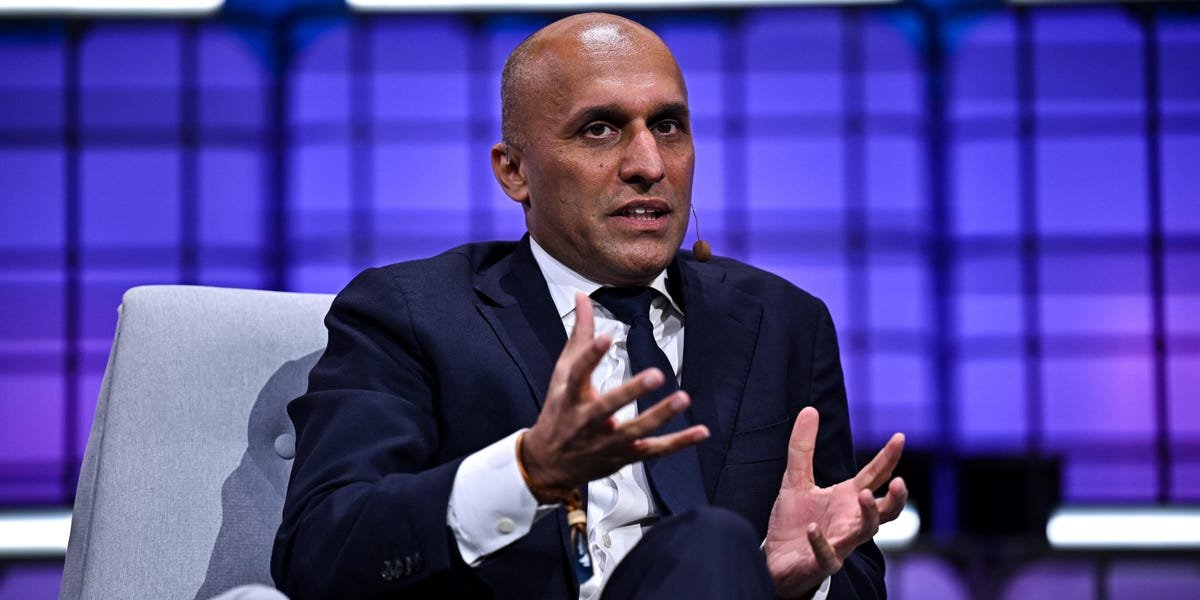
Qasar Younis, the cofounder and CEO of Applied Intuition, said on an episode of “Lenny’s Podcast” published Sunday that “the real impact of AI in the next 5 to 10 years” would show up in physical industries, like “in farming, in mining, in construction, in self-driving trucks.”
Applied Intuition develops software to test and power autonomous vehicles and other machines. The company said in June that it raised $600 million in a funding round, valuing it at $15 billion.
Software tools like Moltbook and OpenClaw may excite developers, but Younis said they touch only a small slice of society.
“I love the stuff that’s happening on these platforms, but it’s still segregated to, like, frankly, developers,” he added.
Instead, he said the biggest shift will come from adding intelligence to machines already embedded in the physical economy.
“More pragmatically, it’s actually just putting intelligence into things that already exist all around us.”
Industries like trucking and farming urgently need that kind of autonomy, he said.
“People are not fighting for those trucking jobs,” Younis said. The average farmer is already in their late 50s, meaning many will retire in the coming decade, potentially worsening labor shortages.
AI is more likely to help fill labor shortages in these industries than replace them entirely, he added.
AI’s impact on blue-collar industries
Earlier this year, Wall Street grew worried that new AI tools and agents could replace some software products entirely.
A research paper by Citrini, an investment firm focused on thematic equity investing, triggered a global stock sell-off last month after researchers outlined a scenario in which the AI boom wipes out white-collar jobs and ultimately slows economic growth.
Against that backdrop, some industry leaders say physical industries could end up benefiting from the technology.
For instance, robots could help address labor shortages in manufacturing. Daniel Diez, the chief business officer of Agility Robotics, told Business Insider in a report published on Sunday that manufacturers globally “simply can’t find the people to do this work.”
Ford CEO Jim Farley said last year that AI-powered augmented-reality tools are helping technicians repair trucks more efficiently, though he warned that automation could still reshape jobs across the broader economy.
Business Insider reported last year that some Gen Z workers are increasingly considering trade and blue-collar careers as automation and AI create uncertainty around traditional white-collar professions.
Read the full article here