







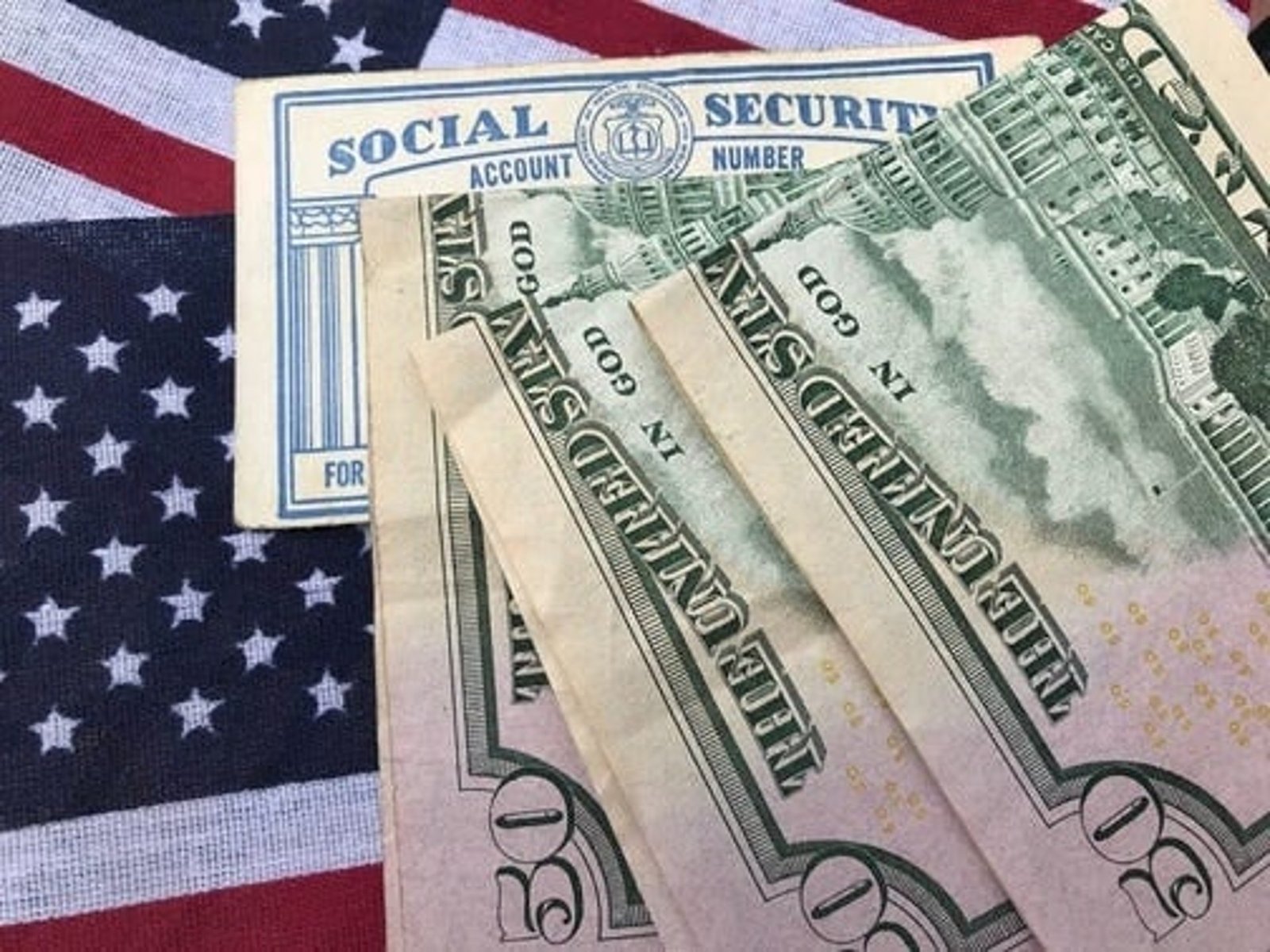


Social Security becomes available to most Americans at age 62. Not surprisingly, that’s the most popular age for claiming the retirement benefit. Hey: It’s money.
But is 62 the best age to claim Social Security?
You can find hundreds of articles on that question, and the answer isn’t obvious. If you take Social Security earlier, you get more checks. For every year you wait, up to age 70, the checks get larger.
Do the math, however, and you will see compelling evidence for waiting until age 70 to take Social Security.
The reason is simple human longevity: An average American retiree will live long enough to get the most money over their lifetime if they wait until 70 and claim the maximum monthly benefit. USA TODAY published an article in 2025 that explains the calculations.
One scholarly paper found that the typical retiree who claims before 70 loses $182,370 in potential Social Security income.
Nonetheless, more than 90% of Americans claim Social Security before age 70, and more than one in five take the benefit at 62.
Let’s take a closer look at some popular reasons for taking Social Security at 62. For a more personalized assessment, visit a Social Security optimizer, such as the one offered by T. Rowe Price.
You need the money
Social Security offers a monthly check until you die. If you’re 62, no longer working and have no other income, taking the benefit now might make sense.
“If their alternative is going into debt, then they might want to claim it early,” said Romina Boccia, director of budget and entitlement policy at the Cato Institute.
Remember, though, that you’re potentially leaving $182,370 on the table.
Experts suggest you consider other options. You could continue working a few more years. If you have significant retirement savings, you might be better off spending them now and drawing Social Security later.
“Nobody would say, ‘Draw [your savings] down to zero,’” said Monique Morrissey, a senior economist at the Economic Policy Institute. “But if you have a few hundred thousand dollars, you can live on that until 70.”
Laurence Kotlikoff, a Boston University economist and co-author of the scholarly paper cited above, is more adamant: He says you should “beg, borrow and steal” to avoid taking Social Security at 62.
You don’t expect to live long
When it comes to claiming Social Security, longevity matters.
If you are weighing whether to claim the benefit at 62 or 70, The Motley Fool calculates, the “break-even” point comes around age 80. Live longer than that, and you’re better off claiming at 70.
Many Americans are badly misinformed about human life expectancy. Retirees often assume they’ll die in their 70s, because the average American lives to about 78.
But life expectancy rises with age. By the time you are 62, you can expect to live into your 80s.
“People are much more likely to underestimate their remaining life expectancy than to overestimate it,” Morrissey said.
There are some Americans, however, who reach 62 knowing they will not reach 80. They may have a terminal illness, or a genetic predisposition “toward certain diseases that could cut their lifespan short,” Boccia said. “Then, the math could look very different to them.”
Social Security is running out of money
The solvency of Social Security is no trivial concern. Surveys suggest most American workers fear the promised benefits won’t be there when they retire.
Social Security faces a shortfall as soon as 2032. Without action from Congress, recipients could see a 28% reduction to their monthly checks.
Fear has driven many Americans to claim Social Security early. In a 2025 AARP survey, roughly one-quarter of Americans ages 62 to 66 said they had made a decision within the past year to claim Social Security early, or expected to do so.
“I think that’s the most common reason why people who could afford to wait take Social Security early,” Morrissey said.
But is it a good reason?
Social Security watchers widely predict Congress will find a way to make the program solvent, by collecting more taxes, tweaking the “full” retirement age for benefits, or borrowing funds, among other options.
Cutting Social Security for retirees would be “political suicide,” Morrissey said, for anyone who approved the cuts. Any benefit cuts, experts say, would more likely affect younger workers, those many years from retirement.
“I think it is very unlikely there will be any benefit cuts to people who are close to or in retirement,” said Robert Brokamp, a senior retirement adviser at The Motley Fool.
You want to claim early and invest the money
As we said above, compelling math suggests most Americans will get the biggest return from Social Security if they wait until 70 to claim it.
But what if you took the smaller checks at 62 and invested the money yourself?
Before we answer that question, let’s revisit how the Social Security bonus system works.
For Americans born in 1960 or later, full retirement age for Social Security is 67. If you claim it then, you get your “full” benefit. Claim it earlier, and you get less money. The minimum benefit at age 62 is 30% smaller.
If you claim the benefit after 67, the check continues to get larger at a rate of 8% per year. The total Social Security “bonus,” between ages 62 and 70, boosts the monthly payment by about 76%, Kotlikoff calculates.
The question, then, is whether you can “beat” the bonus by taking your checks early and investing them.
We posed that question to experts. The short answer: Maybe. But it might not be worth the risk.
By one Motley Fool analysis, if you earned 5% a year on your Social Security dollars, you could be better off taking the benefit at 62, even with the smaller monthly checks. The potential advantage endures until around age 90: If you live longer than that, you’re still better off claiming the larger Social Security checks at 70.
Investing Social Security checks might make sense for someone who doesn’t need the money and hopes to pass it on to the kids, Brokamp said.
But the strategy has perils and pitfalls. Perhaps the biggest, economists say, is the risk you take when you invest your Social Security dollars in unpredictable financial markets.
“Almost all retirement experts believe you should have the core of your retirement savings in the most secure form possible,” Morrissey said. And few investments match the security of Social Security.
This article originally appeared on USA TODAY: Should you take Social Security at 62? Consider these 4 factors.
Reporting by Daniel de Visé, USA TODAY / USA TODAY
USA TODAY Network via Reuters Connect
Read the full article here