









A Pinterest executive who worked at Meta said there’s one thing she looks for in potential hires: how they talk about failure.
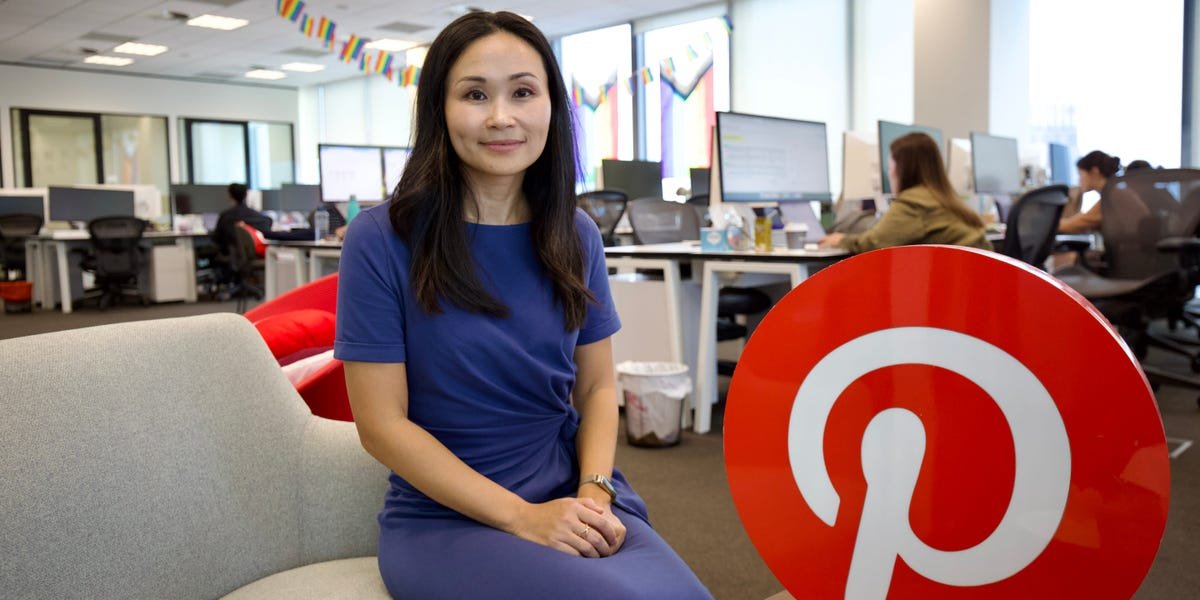
Ayumi Nakajima began her career at Nielsen before taking on a leadership role at Meta — then Facebook — in 2013. She joined Pinterest in 2015, where she’s now a senior director in Singapore, heading its Asia-Pacific content partnerships.
She leads a team of about 20 people across APAC and has interviewed several hundred candidates throughout her career.
Nakajima said she pays close attention to how potential hires respond to the interview question: “What are some failures you have experienced?”
She said some candidates tell stories about failures in which they ultimately look good.
“I’m sure they’ve prepped in a way to not look too bad, but I actually appreciate it when someone says, ‘Actually, this was a failure,'” she said. “When they say, ‘This was when I messed up,’ instead of blaming others.”
“Those are some of the soft signals that I look for, when the person can accept when things are not working, or can accept that there was a mistake, and evolve and learn from that,” Nakajima said.
She said the tech landscape is changing rapidly, so while there are certain skills she needs in a candidate, she values adaptability and receptiveness to criticism over all else.
“When I interview candidates, I always look for people who are more flexible and versatile rather than having specific experiences and ticking off a box,” she said. “I’d prefer to have someone who’s really dynamic and has a growth mindset, because six months down the line, the scope might change.”
On the flip side, Nakajima also has a piece of advice for hirers: Don’t rush into it.
Nakajima said she likes to take her time during the hiring process, with the mindset that the person will stay in the role for four to five years, rather than just one to two.
“If you think of them as staying for five plus years, then a month delay in the hiring process is not going to ruin things,” she said. She added that being shortsighted and hiring someone to rush through a project is how employers often pick someone who might not be the best fit.
She said that she had changed her mind about candidates who were close to being confirmed, after giving it more thought.
“The recruiting team was obviously not so happy with me, but I think those are just some of the trade-offs that you can make to make the right hiring decision,” she said.
Read the full article here