





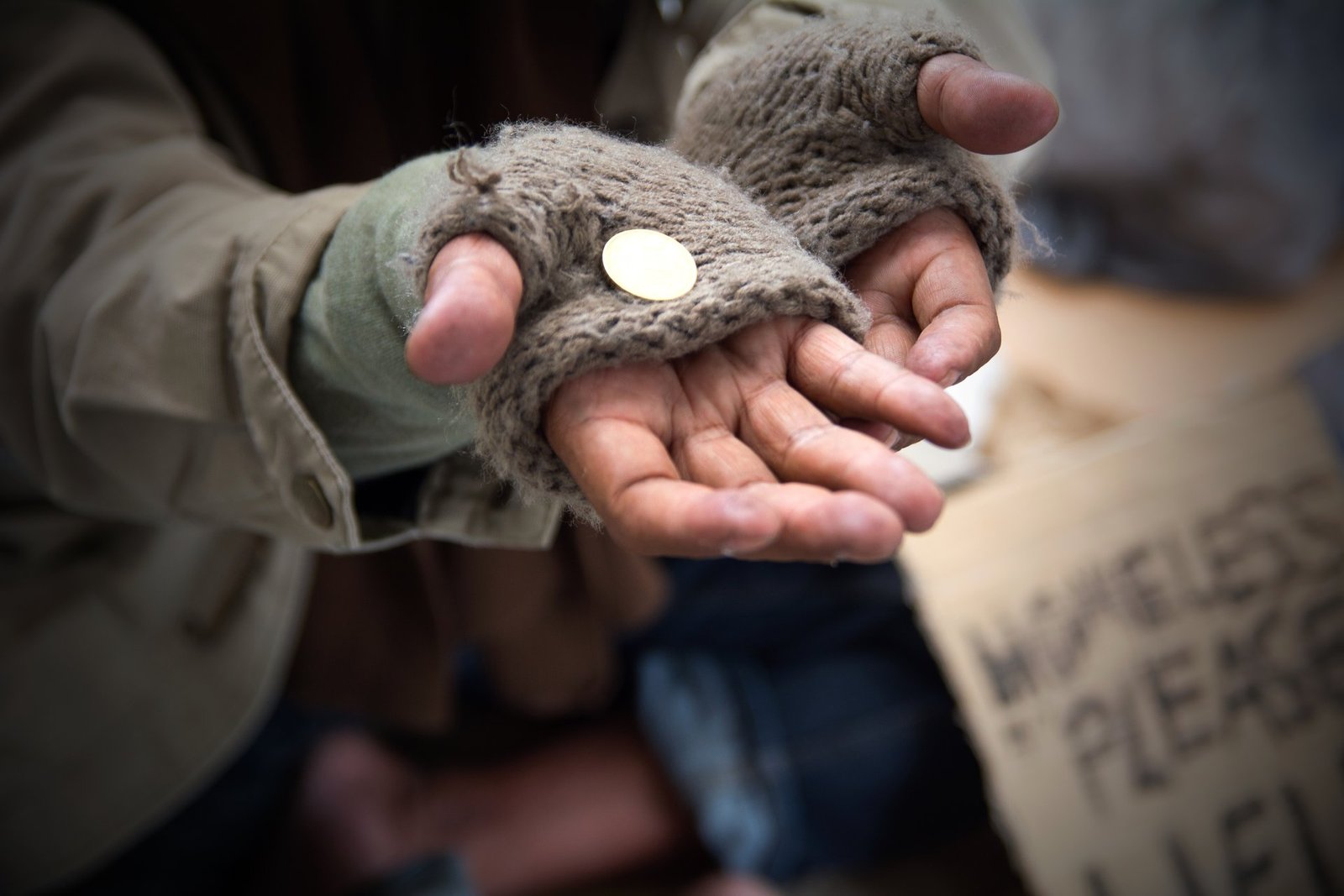


When successful businessman Mike Black walked away from his wealth in 2020, his goal was incredibly ambitious. He voluntarily froze access to his money, temporarily stepped away from his lucrative network, and set out to live on the street in Austin, Texas.
His actual wealth was perfectly safe. He retained his financial infrastructure — including an active cellphone plan and premium health insurance — under the self-imposed rule that he would deduct their costs from his experiment earnings. His mission was to build a $1 million business in 12 months using that cellphone, one set of clothes, and hustle.
Ten months later, he pulled the plug. He was physically exhausted, battling severe autoimmune issues, and sitting on roughly $64,000 in revenue.
It is easy to view this premature exit as a failure of the hustle culture narrative. One person’s 10-month stunt does not prove or disprove the mechanics of wealth creation. However, dissecting this experiment reveals critical, often-ignored truths about how money is actually made and the invisible prerequisites required to make it.
The invisible backpack of privilege
You can empty a bank account, but you cannot delete financial literacy. Black started his experiment homeless, but he carried an invisible backpack of distinct advantages. He understood how to pitch clients, structure freelance deals, and negotiate contracts. He possessed a business vocabulary that takes years for the average person to develop.
More importantly, he operated with the deep-seated confidence of someone who had already built a successful agency. That psychological safety net is massive.
When you know you are choosing to sleep on the street for a YouTube series, the mental toll is fundamentally different from experiencing inescapable, systemic poverty. He knew he could tap out at any moment and return to a life of affluence.
This highlights the stark difference between a temporary situational challenge and actual generational poverty.
Bypassing the systemic red tape
Critics on online forums quickly pointed out the glaring logistical holes in the viral narrative. According to the timeline, Black spent only a brief time sleeping rough before a stranger allowed him to stay in a borrowed RV. From there, he was able to buy a computer within five days, secure office space within two weeks, and execute a rental sublease strategy remarkably quickly.
This raises immediate red flags regarding how the financial system treats different types of people.
A genuinely destitute person with no recent pay stubs, zero down payment, and a damaged credit history cannot simply walk into a commercial lease. The traditional rental market requires background checks, hefty security deposits, and proof of consistent income.
The experiment completely glossed over the systemic barriers that trap everyday people. We also have to factor in the camera crew.
Negotiating a deal while being filmed for a documentary creates a massive halo effect. Landlords and business owners are significantly more likely to trust a well-spoken, charismatic man with a production team than an anonymous person walking in off the street. He was playing a difficult game, but he was playing it on easy mode.
The biological wall of poverty
Even with those immense psychological and logistical advantages, the physical reality of street survival eventually broke him. Black suffered from severe autoimmune flare-ups, chronic fatigue, and joint pain. The stress of housing instability, lack of sleep, and poor nutrition created a biological wall he simply could not outwork.
However, when his health began to fail, his invisible safety net caught him. He retained his premium health insurance and was able to actively seek medical treatment for his condition. He never had to choose between seeing a doctor and buying a meal.
This exposes the fatal flaw in the experiment relating to the reality of genuinely homeless people. It ignores the fact that basic human stability — a safe place to sleep, adequate food, and reliable medical care — may be a prerequisite for exponential wealth creation. You cannot grind your way through physical collapse using willpower alone.
An uninsured person facing a severe chronic illness on the streets would be instantly buried by medical debt, permanently destroying any financial progress they managed to make.
Protecting your financial future requires protecting your physical foundation first. An unexpected medical crisis can derail even the strongest financial plan.
Redefining the financial finish line
It is a mistake to dismiss the entire endeavor just because he missed the seven-figure mark. Generating tens of thousands of dollars in under a year while starting on the street and living out of a borrowed RV is an undeniable achievement that requires intense focus and a relentless work ethic.
The flaw was never the effort itself. The flaw was the arbitrary, sensationalized goal. If the target had been building a stable life and an emergency savings account, the experiment would be viewed as a massive success story.
The real takeaway is that building wealth happens sequentially. You must secure your health and housing first. Once that foundation is solid, you can leverage your skills to increase your income. True financial progress is a marathon, not a viral stunt.
Never underestimate the power of good financial management. If you have over $100,000 in savings, get some advice from a pro. SmartAsset offers a free service that matches you to a vetted, fiduciary advisor in less than five minutes.
Read the full article here