








Millennials are so back.
Algorithms are supposed to predict what’s next, but scroll any platform right now, and chances are you’ll find the past dominating the cultural conversation.
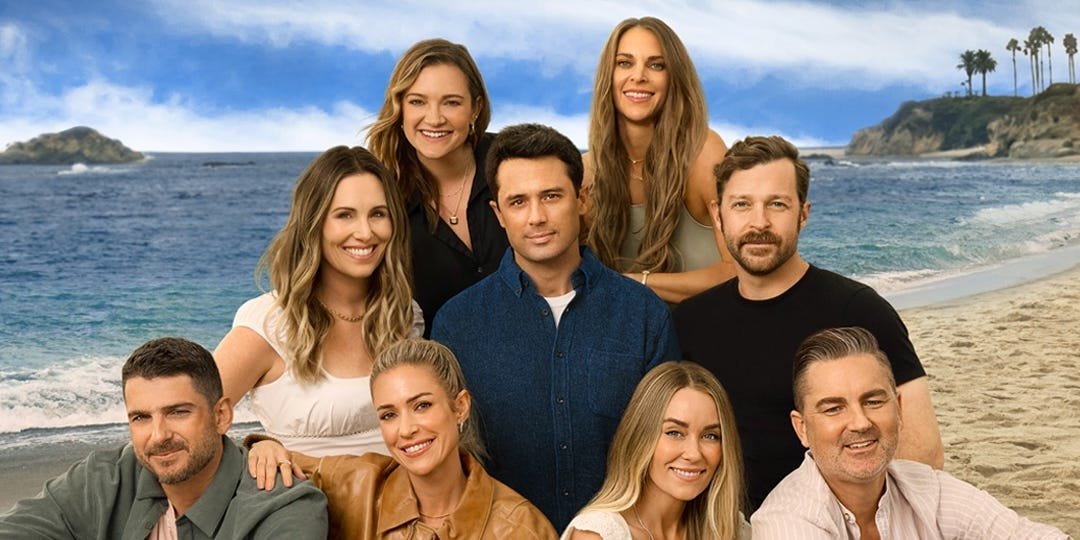
“Laguna Beach” is returning for a reunion, twenty years after the hit reality show aired. Jay-Z just sold out multi-night runs at Yankee Stadium for albums he released in 1996 and 2001. Hilary Duff is having a TikTok-fueled resurgence with her comeback shows selling out almost instantly. And even fashion cycles are bringing back Juicy Couture and early 2000s aesthetics. (Hi, low-rise jeans and baby tees.)
We’re having a “millennial summer,” and it’s not just about nostalgia; it’s a shift in power back to one of the last generations to experience monoculture in real time, now with the money to revive it.
It’s easy to see why culture is shifting its focus to millennials. The generation accounts for roughly 28% of all US retail spending — more than boomers — totaling about $1.1 trillion. (Caveat: Gen X issss outspending millennials, but there are fewer people born in that generation, making them a less appealing target for marketers.) Brands are rediscovering the audience that’s now running households, leading teams, and making the bulk of buying decisions.
Charlene Polite Corley, vice president of Inclusive Insights at Nielsen, told Business Insider the shift is less about revival and more about power. “Millennials are maturing into the leadership position of the culture; what we deem cool or nostalgic is now surfacing back to the top,” she said.
And brands are following the money. Gen Z may drive culture online, but millennials are converting. They’re buying concert tickets, booking the travel, and showing up for experiences. Data shows that millennials helped create the experience economy, especially as traditional milestones like homeownership feel less attainable.
“Take Gap’s recent campaign using Kelis ‘Milkshake’ song,” Corley said, referencing the hit 2003 song. Using a song from the early aughts had an impact that went beyond engagement, with the brand reporting a 5% year-over-year increase in sales.
Millennials’ influence extends beyond what they buy; it’s also how they engage. “Millennials can straddle the analog and digital age,” Corley said, noting that the generation can “drive conversation and build community online and in more traditional spaces.” That ability is rooted in a structural advantage: millennials came of age during one of the last eras of shared media consumption, when entire audiences watched, listened, and reacted together.
The question now becomes how long brands can rely on nostalgia before it starts feeling like the Marvel Universe — played out.
Read the full article here