








The joint U.S. and Israeli airstrikes on Iran — which began on Feb. 28 and resulted in the death of Supreme Leader Ali Khamenei — have ignited a conflict that is reshaping the American economy in real time.
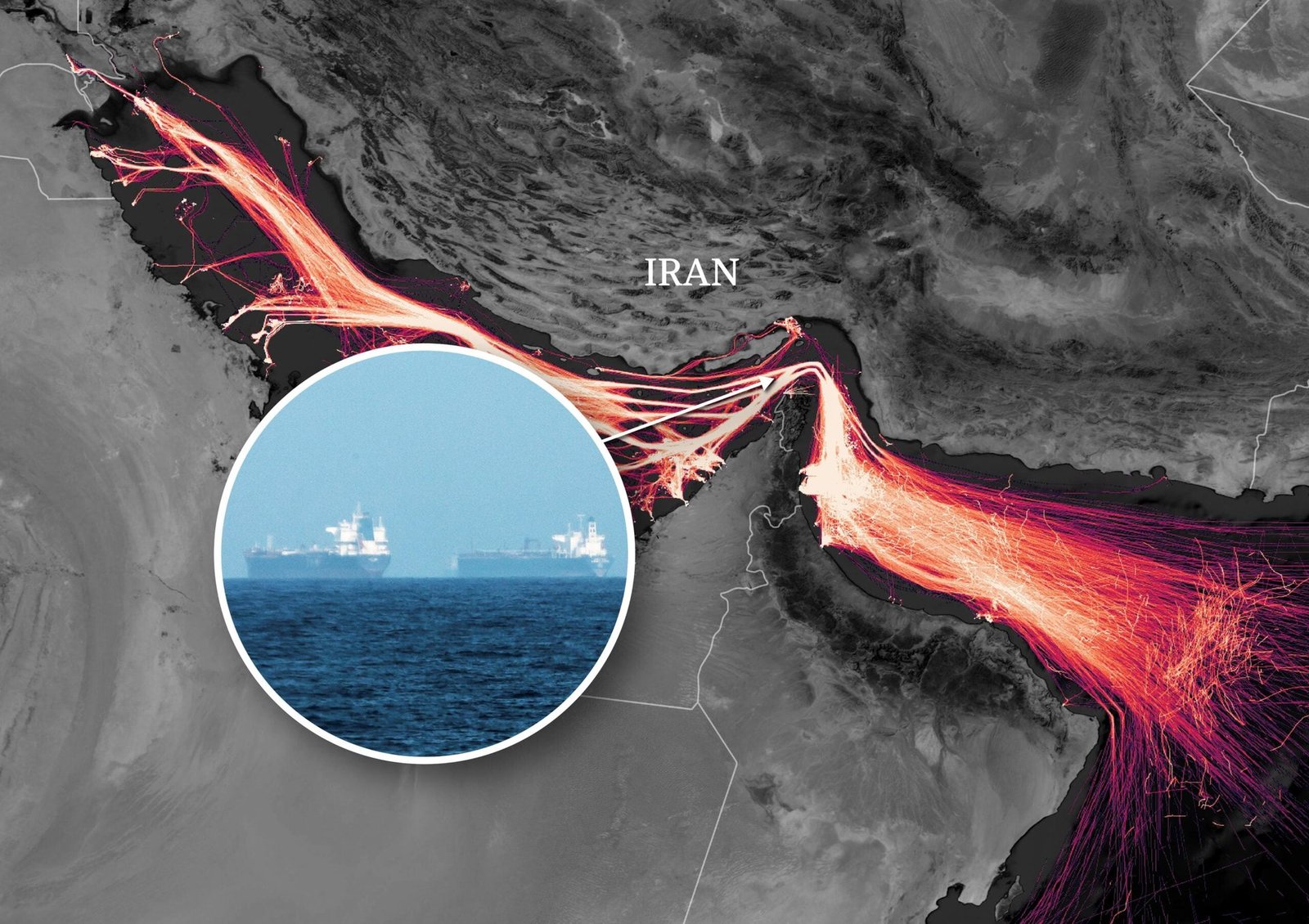
With Iran retaliating against military bases and energy infrastructure across the Middle East, the Strait of Hormuz has effectively closed. That choke point handles roughly 20% of the world’s oil.
This supply shock is hitting American households and investment portfolios in very different ways. Here is an honest accounting of the financial fallout.
Where the war is creating wealth
- Energy stocks are surging: If you own shares in Exxon, Chevron, ConocoPhillips, or Occidental, you have had a very profitable few weeks. U.S. shale companies are capitalizing on the moment, with stock sales by U.S.-listed oil and gas producers making March the sector’s busiest month in more than six years. These firms have already raised billions of dollars via stock offerings.
- Defense contractors are rallying: For investors in the defense sector, the war has been a financial windfall. Defense stocks like Northrop Grumman and Lockheed Martin surged from the first day of the conflict. Investors are pricing in expectations of heightened demand for missile defense systems, fighter aircraft, and precision-guided munitions. U.S. engagement could increase defense spending close to the president’s $1.5 trillion request — a spending level not seen since World War II.
- U.S. natural gas exporters stand to gain: QatarEnergy suspended production after an Iranian drone attack, sending European benchmark gas prices soaring. That is terrible news for Europe and Asia, but it creates a windfall for U.S. liquefied natural gas exporters. Companies like Cheniere Energy are seeing massive market strength as global buyers scramble for alternative supplies to keep their power grids running.
- Gold is testing record highs: If you hold gold — whether in physical form, exchange-traded funds, or mining stocks — this conflict has protected your portfolio. With prices recently testing record highs well over $5,000 per ounce as investors flee to safe-haven assets, now is a critical time to know how to sell your gold without getting ripped off. Conversely, if you are looking to hedge against further market instability, established dealers like Anthem Gold Group can help you safely add physical precious metals to your retirement portfolio.
Where the conflict is costing you
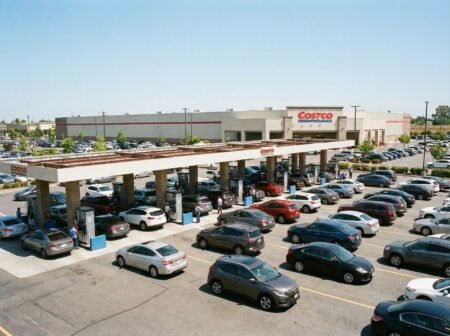
- Gas prices are spiking: This is the most immediate hit to ordinary Americans. The national average for gasoline is nearing $4 a gallon, with states like California seeing prices surge well past $5. Mark Zandi, chief economist at Moody’s, noted that if oil prices stay near current levels of $100 per barrel, gasoline will continue to climb nationally.
- Groceries will cost more: The war is putting upward pressure on prices for gasoline, electricity, and groceries through higher transportation, packaging, and fertilizer costs. Oil byproducts are essential in plastics and fertilizers. Urea prices have already risen significantly since the strikes began. If ships cannot bring fertilizer to market safely, farmers may use less, potentially reducing crop yields and increasing food costs.
- The pain hits lower-income households hardest: The economic fallout from this war is not evenly distributed. Higher gasoline prices act as a regressive tax, meaning lower-income households devote a much higher share of their budgets to energy. Surging diesel prices drive up trucking costs, which in turn push up the prices of food and basic household goods.
- Mortgage rates are stuck: Many people hoped for interest rate cuts this year. The war has likely ended that possibility. Expensive oil keeps inflation sticky, making it incredibly difficult for the Federal Reserve to cut interest rates. As a result, mortgage rates and other long-term interest rates will remain elevated for the foreseeable future.
- Stagflation is a real risk: Economists are dusting off a grim term from the 1970s. If the conflict drags on, the U.S. economy could face stagflation — stagnant economic growth combined with high unemployment and high inflation. Oxford Economics modeling suggests inflation could peak at around 5% later this year, the highest since early 2023.
- Taxpayers are footing the bill: The first week of the war reportedly cost U.S. taxpayers upwards of $11 billion, and that figure does not include the initial buildup of troops and warships. Sharply increased defense spending will add to the national debt and deficits. This puts upward pressure on Treasury yields, which ultimately raises your borrowing costs for everything from car loans to credit cards.
- Travel is disrupted and expensive: Airspace closures across the Gulf states have led to the grounding of thousands of flights. Airlines are rerouting around the Middle East, burning more fuel and passing those costs directly to passengers. The war has sharply increased the price of jet fuel, meaning you should expect to pay significantly more if you have travel plans this spring or summer.
How to prepare for whatever comes next
No one knows how this conflict will resolve, but a lack of geopolitical clarity is a reason to prepare, not panic.
Start by building a defensive cash position. With interest rates likely staying high, moving idle cash into high-yield savings or certificates of deposit helps blunt the impact of rising prices.
Simultaneously, attack your variable-rate debt and avoid making impulsive changes to your retirement accounts. The headlines will remain volatile, so focus entirely on what you can control — your spending, your savings, and your debt.
If you have over $100,000 in savings and you are wondering how to navigate these turbulent markets, consider engaging FinanceAdvisors

Read the full article here